Is It Safe To Go On An Excursion In Punta Cana Right Now?
A sober look at excursion safety in Punta Cana and Bayahibe: how boat tours are run, what the recent boat incident changed, weather calls, and how to pick a solid operator.
Yes, excursions from Punta Cana are running as normal, and the safety case rests on three things: tour operators working out of the Bayahibe pier, life jackets as standard equipment on the boat legs, and captains who cancel or reroute when the sea turns rough. Nothing in the verified record shows a blanket advisory against boat tours. The sensible question is not whether to go, but which operator and which day. Here is how the system actually works, section by section. Picking the right operator matters most on Saona trips, since standards vary between boats and crews.(/guides/saona-island-turtle-sanctuary-and-mano-juan/) explains which ones do.
Every Saona trip sold from Punta Cana is really two journeys. A road transfer, usually 60 to 90 minutes from the Bavaro hotel zone to the Bayahibe pier area, then the boat itself into Parque Nacional Cotubanamá. The boat leg is the part safety questions are really about, so this article spends most of its time there: how operators are licensed, what happened in the July 2026 boat fire off Bayahibe, how weather calls are made, and what you can check on a listing before paying.
The Saona Island day trip from Punta Cana is the most common format travelers book from the resort zone: hotel pickup, speedboat and catamaran legs, beach time, buffet lunch and an open bar. Two close alternatives in the same family are Saona Island Paradise from Punta Cana and the all-inclusive Saona trip, which differ in group size and price point. All three are paid, licensed tour products, and all three publish their exact inclusions on the live listing, which is where a safety-conscious buyer should start reading.
How Boat Tour Safety Actually Works At Bayahibe
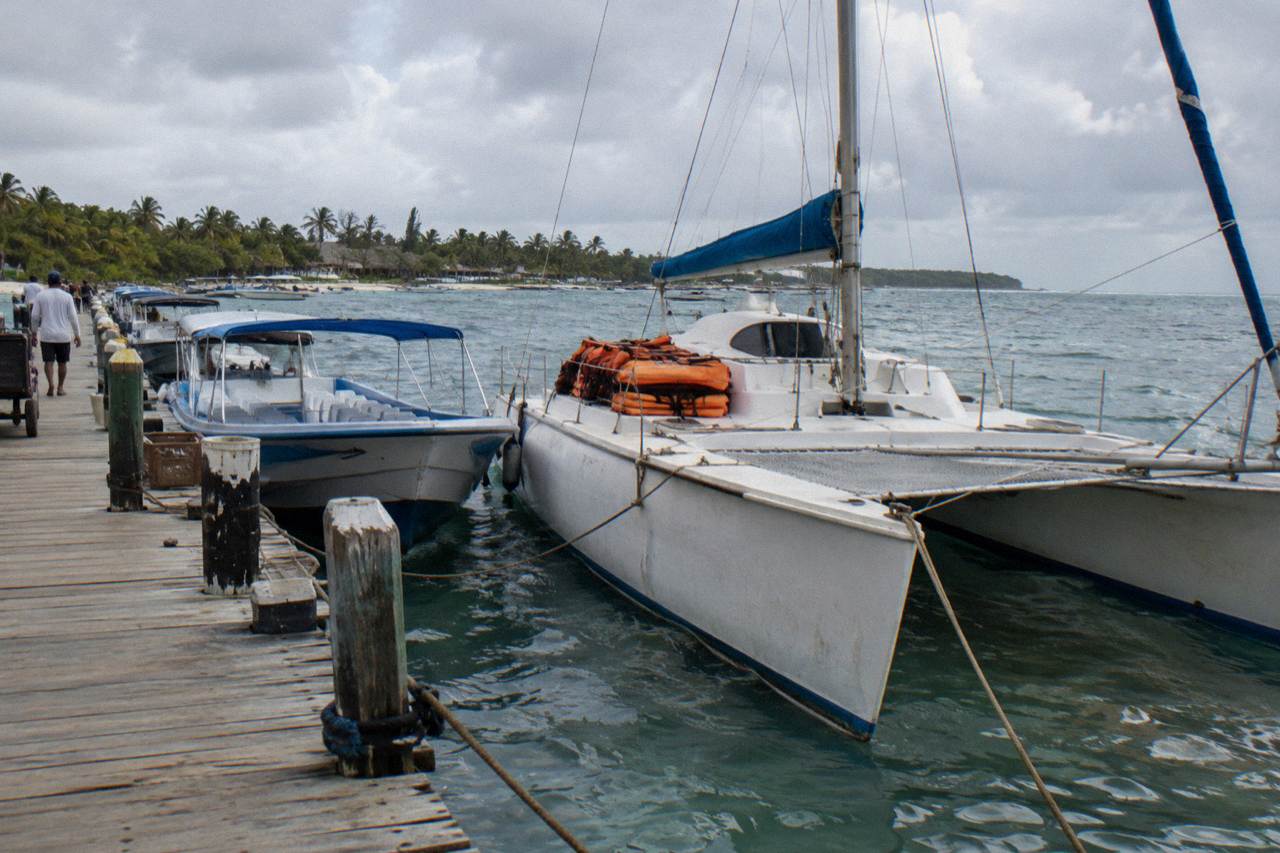
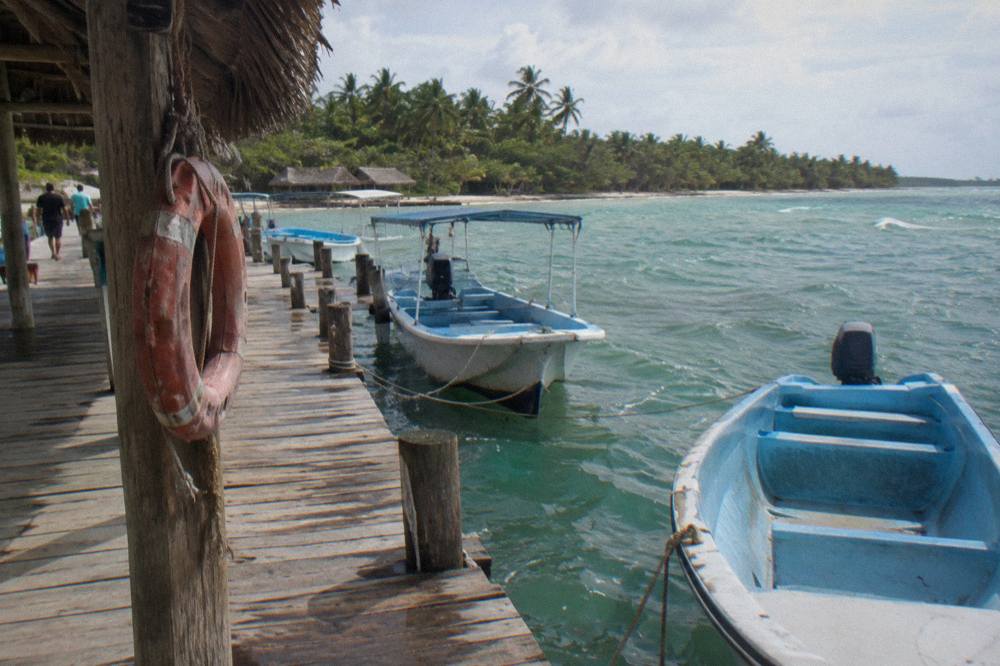
Boat tour safety at Bayahibe works through controlled departures and authorized vessels: every Saona excursion leaves only from the Bayahibe and Dominicus pier area, on authorized tour boats, catamarans and speedboats. Since there is no independent public access to the island, visitors cannot reach it on their own and always travel with an authorized operator. Because the island sits inside a national park run by the Ministry of Environment, boat traffic is funneled through one departure point rather than scattered along the coast. That concentration is a genuine safety feature: crews know the waters intimately, the routes are established and repeated daily, and the pier infrastructure was upgraded in late 2025 with new parking, drainage, signage and a pedestrian bridge that improved passenger flow onto the boats.
The crossing itself is short by regional standards. Speedboats usually cover the distance in 20 to 60 minutes, and catamarans in 1 to 2 hours, depending on the sea and the operator. Many mixed itineraries run a speedboat out and a catamaran back, which spreads the day across two vessel types and two crews. Life jackets are standard equipment on these runs, and the verified reporting on the Bayahibe boat incident specifically noted that passengers wearing them fared better than they otherwise would have.
There is no scheduled public ferry to Saona. Every visitor travels on an organized tour boat or an informal local lancha from the working dock, and the tour boats are the regulated, permitted branch of that traffic. There is no public ferry to Saona: every boat runs as an organized tour from the Bayahibe pier area, with a named operator accountable for the trip., which is precisely the chain of responsibility a safety question is asking about.
For a full picture of the route and its stops, the Saona Island day trip guide breaks down what a typical itinerary includes and what it does not.
Should The Bayahibe Boat Incident Change Your Plans?
For most travelers, probably not: a single tourist boat was involved, one returning from a Saona excursion off Bayahibe that suffered an explosion and fire in late July, and while 23 people were injured, two independent outlets reported no deaths, so one incident like this does not, by itself, mean you should cancel or rethink a trip built around this stretch of coast. That is the entire verified record of the incident. It was one boat, one day, and no operator listed on this site has been linked to it. Drawing a general conclusion from it, in either direction, would be dishonest, and any page that tries to sell you reassurance or panic off the same event deserves skepticism in equal measure.
The correct takeaway is narrower. The incident confirmed that emergency response in the area functions: coastguard, navy, firefighters and tourist police coordinated, and the injured were transferred to medical facilities in La Romana within hours. It also confirmed what safety literature always says about life jackets, which several hospitalized passengers credited with keeping them afloat and visible during rescue. What it does not show is a pattern, and no roster operator name belongs anywhere near that sentence.
If your question is whether Punta Cana excursions were paused or restricted afterward, the verified reporting shows no closures, no rule changes and no new access restrictions in the months that followed. Standard tours from Bayahibe and Punta Cana continued as normal offerings through the period. The boats kept running, the park kept admitting visitors, and the departure logistics stayed exactly as they were.
A useful mental model is road travel. A single highway accident somewhere in a country does not make that country's roads uniformly dangerous, but it does remind you to check the vehicle, the driver and the reviews. Boat excursions deserve the same calibrated reading rather than a binary verdict, and the rest of this article gives you the specific things to check.
How Do Operators Decide When The Sea Is Too Rough?
Operators and captains make the call based on rough seas, high winds, and incoming weather, and they will cancel or alter a trip whenever conditions look unsafe. When that happens, most listings allow a full refund because the operator, not the traveler, is the one doing the canceling. That is the honest answer, and it matters more than any reassurance a booking page can give. The sea between Bayahibe and Saona is normally manageable, but it is open Caribbean water, and conditions vary day to day and season to season. A cancellation is the system working, not the system failing.
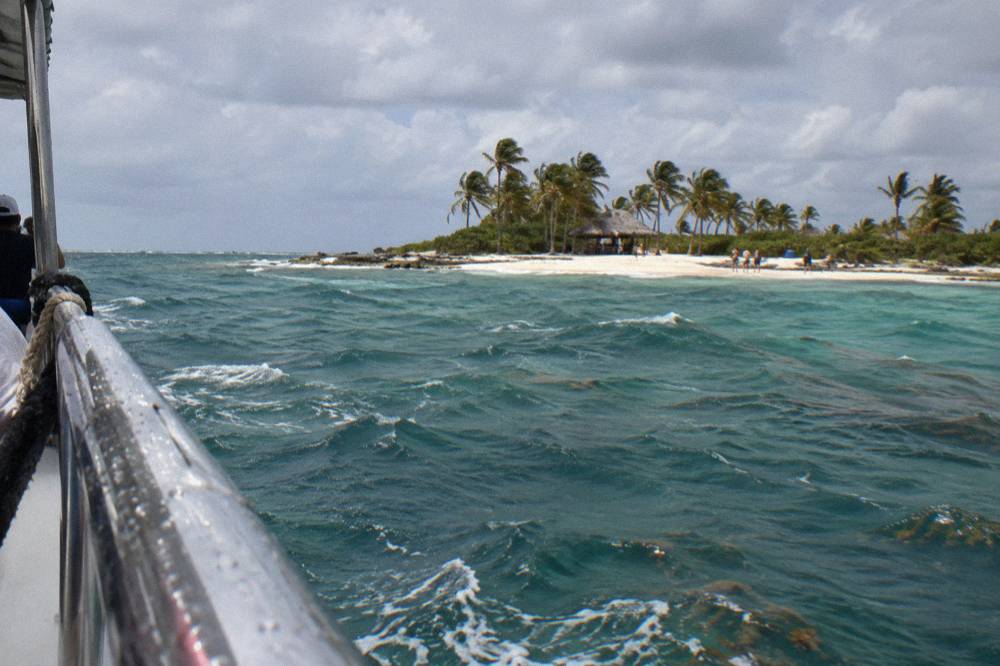
The seasonal pattern is well documented. December to April is the dry season, with calmer seas and lower rain risk. May to November is the wetter half of the year, September being the wettest month at about 175 mm on 30-year averages, and the Atlantic hurricane season runs from 1 June to 30 November, peaking mid-August to mid-October. None of that means tours stop; it means the weather call happens more often, and a cancellation in September is a normal outcome rather than a red flag. May, June and November sit in between, often offering lower crowds with still-pleasant conditions.
Operators also adapt rather than simply canceling. Landing spots can shift to the more sheltered beaches on the island's south and west sides when wind direction makes the main beach uncomfortable, and the order of stops, natural pool first or beach first, is routinely swapped to match the tide and chop. These are decisions crews make weekly, which is why a direct question to the operator a day before departure gets you a better answer than any static article can.
Before you book, read the cancellation terms on the operator's live listing rather than assuming. The common structure is operator-canceled trips refunded in full, and traveler cancellations handled on a notice window, often around 24 hours. If a listing is vague about what happens when the sea is rough, that vagueness is itself information.
How Can You Judge An Operator Before You Book?
You can judge an operator before you book by reading the live listing like a checklist. Look for verified recent reviews with dates, explicit statements about life jackets and crew, clear cancellation terms, and a plain description of the boat type and group size, since a listing that shows all of these details is far easier to trust. None of this requires insider knowledge. A listing that names its vessel format, whether catamaran, speedboat or a mix, and states its maximum group size is easier to hold to account than one that hides both behind stock photography and vague superlatives.
A practical way to compare is by trip type, because the formats carry different trade-offs in crowds, price and pace. Prices across the tours listed here give you real ranges worth knowing before you open a single listing.
| Trip type | Verified from-price range | Typical character |
|---|---|---|
| Group catamaran day trips (16 tours) | US$63 to 116 per person | Larger groups, buffet lunch, open bar |
| Small group and VIP speedboat (16 tours) | US$75 to 169 per person | Fewer guests, faster crossings |
| Santo Domingo departures (3 tours) | US$87.90 to 130 per person | Longest door-to-door day |
| Private boat charters (3 tours) | US$820 to 1,490 per group | Your own crew and schedule |
Two of the formats above deserve a closer look if safety is your main filter. Small group trips, covered in the Saona Island small group tour guide, put fewer passengers on one boat, which tends to mean more crew attention per guest. The all-inclusive Saona trip from Punta Cana, from $71 per person on the listing, and Saona Island Paradise from Punta Cana both publish their inclusions and group details openly, which is exactly the transparency a careful reader wants.
The Saona Island Paradise trip earns a mention on its own merits here, since its listing covers lunch, drinks, water, an air-conditioned vehicle and fees.
The same discipline applies to the road leg. Hotel pickup, where the listing includes it, means a booked vehicle and driver rather than a street negotiation, and pickups usually start between 6:30 and 8:00 AM depending on the hotel zone. Door-to-door, full-day Saona trips run about 6 to 12 hours across the 40 tours listed here, so plan rest accordingly: a long, tired day is its own minor safety factor, especially with children.
What Rules Protect The Park And Its Visitors?
Parque Nacional Cotubanamá is protected by several straightforward rules: it operates as a day-use only park under the Ministry of Environment, and all visitors must pass through a wristband entry system. Single-use plastic and foam are banned inside the park, and strict no-removal rules protect starfish, shells, coral and sand. These rules exist primarily for the reef, but several of them bear directly on visitor welfare too. A regulated, staffed park with enforced behavior rules is a safer place to swim than an unmanaged stretch of coast, and the rules give crews concrete authority to manage guests around wildlife.
The Ministry's own protected-area visit page describes the wristband payment system and confirms that visits are day-use only, with no overnight stays without a Ministry booking. Single-use plastic and foam have been banned in the park and at Isla Catalina since a 2023 resolution signed at Mano Juan, so leave those items at the hotel. The marine-life rules are enforced hardest at the natural pool, the shallow sandbar stop where starfish congregate; the no-touch rule there is both conservation and common sense, since a calm, standing-depth stop is where most guests, including weak swimmers and children, first enter the water.
For families weighing the whole question, the Saona Island with kids guide covers life jackets, swim ability and pacing for younger travelers.
What About Swimming, Seaweed And Health Precautions?
Swimming around Saona is generally gentle: the natural pool is a shallow, sandbar setting, and the main beaches shelve gradually into the sea, so getting in is usually easy. That said, sea state varies from day to day, and sargassum seaweed is never guaranteed to be absent, so it pays to check conditions on the day you visit. Nobody honest can guarantee a weed-free beach, on Saona or anywhere in the Caribbean. What the monitoring record does show is that Saona and the Bayahibe area are often clearer than the east-facing Punta Cana and Bavaro beaches, because the island's position deflects much of the drifting weed westward, though not always.
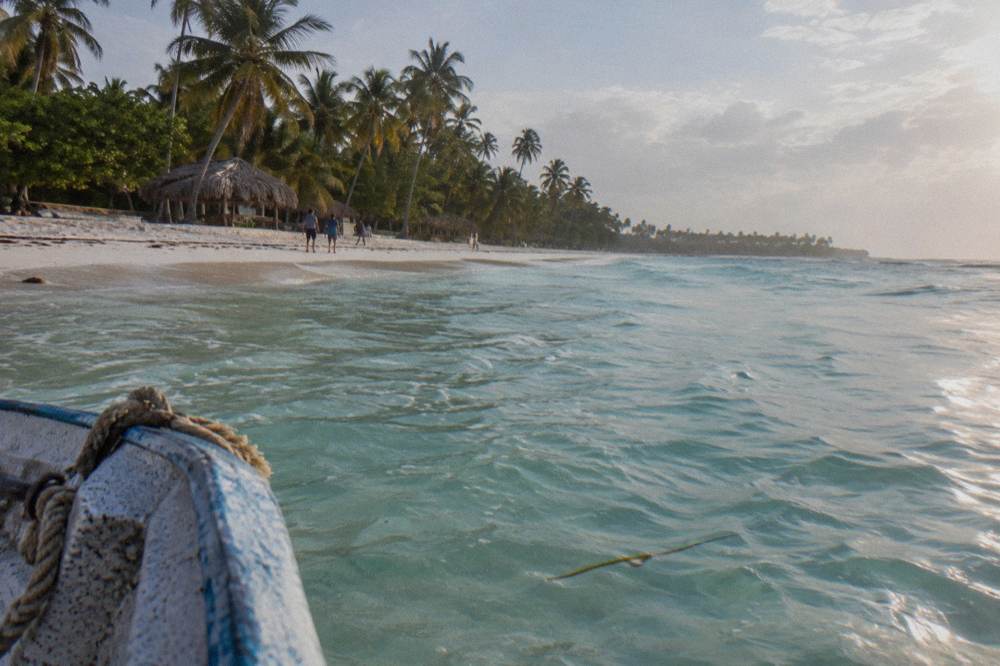
Ask the operator directly about current conditions a day or two before departure; they are on the water daily and have no interest in selling a beach day that disappoints. Operators adjust landing spots when weed accumulates, and the same question about sea state doubles as a test of how responsive the operator is before you have paid, which is useful information in itself.
On health basics, most nationalities need no visa for stays up to 30 days, the US$10 tourist card is usually included in the airfare, and the free E-Ticket form must be completed online before arrival at the official migration portal at eticket.migracion.gob.do. Reef-safe sunscreen is recommended in the park, and cash in small bills covers tips and incidentals, since extras cost a few dollars and are paid on the day.
Park entry itself is a ticket, not a formality: roughly US$10 to 12 per foreign adult according to independent visitor guides, and the Ministry publishes no price list, so confirm with your operator whether it is bundled. Many tours include it, and 11 of the 40 roster listings state park entry explicitly in their inclusions, so avoid paying twice at the booth.
What Does A Reassuring Booking Actually Look Like?
A reassuring Saona booking shows four signatures: the listing carries a recent, dated trail of reviews, the life jacket policy is stated outright, the cancellation terms are clear, and the operator answers a direct question about weather before taking your money. That combination does more for peace of mind than any generic safety promise, because each element is checkable before you pay rather than trusted on faith, and together they describe an operator who runs a professional operation rather than a lucky one.
The all-inclusive Saona trip from Punta Cana is a useful example of the pattern done properly: hotel pickup listed, lunch and open bar defined, and the boat format described on the listing, so the day you are buying is the day you can picture before you leave the hotel lobby.
One more angle, since safety askers often book from the resort zone: excursions from Punta Cana are a broad category, and Saona is its busiest branch. The Punta Cana excursions guide compares the main options, and the is Saona Island worth it post weighs the whole experience honestly, crowds and all, so expectations are calibrated before the boat leaves the pier.
Seasoned travelers on this route tend to converge on the same few practices, and they are worth copying.
| Safety practice | Why it matters |
|---|---|
| Read the listing's cancellation terms | Confirms refunds when the operator cancels for sea or weather |
| Wear the life jacket on speedboat legs | Reporting on the Bayahibe incident noted it mitigated outcomes |
| Book dry season, December to April, if sea sensitivity is high | Calmer seas and lower rain risk on average |
| Confirm park entry is bundled | Avoids double-paying the roughly US$10 to 12 fee at the booth |
| Ask the operator about current sea and sargassum conditions | Operators are on the water daily and adjust landing spots when needed |
The Ministry of Environment's protected-area visitor information, including the wristband entry process, is on the official Ministry service page. For the seasonal picture that drives most weather calls, the official hurricane season window of 1 June to 30 November is tracked by the National Hurricane Center. Operators make the day-to-day decisions, but knowing the season you are traveling in lets you judge those decisions instead of just accepting them.
That is the whole honest picture: a regulated park, one departure point, licensed operators, and one serious incident in a year of daily sailings, answered by a working emergency response. Choose a listing that shows its work, read the cancellation terms, and the question stops being whether it is safe and becomes simply which day.
Common Questions About Punta Cana Excursion Safety
Is It Safe To Go On An Excursion In Punta Cana Right Now?
Yes. Excursions run daily through licensed operators, boats leave from the regulated Bayahibe pier area, and no verified advisory restricts tours. The one serious incident of the year involved a single boat on a single day, with no roster operator linked to it. Read a listing's cancellation terms and recent reviews before booking.
Do Saona Tour Boats Provide Life Jackets?
Life jackets are standard equipment on the Bayahibe to Saona runs, and reporting on the recent boat incident noted that passengers wearing them fared better. Confirm the policy on the operator's live listing before you book.
What Happens If The Sea Is Too Rough For The Tour?
Operators cancel or alter trips for rough seas, high winds and weather, and most listings allow a full refund when the operator cancels. Traveler cancellations usually work on a notice window, often around 24 hours. Check the exact terms on the listing.
Is It Safe To Swim At Saona Island?
Generally yes. The natural pool is a shallow sandbar stop and the main beaches shelve gradually, but sea state varies by day. Weak swimmers and children should stay within the crew's designated areas, and the no-touch rule for starfish applies at the natural pool.
Is The Boat Ride To Saona Dangerous?
No more so than comparable Caribbean day trips. Speedboats usually cross in 20 to 60 minutes and catamarans in 1 to 2 hours, depending on sea and operator. Dry season, December to April, brings calmer conditions on average.
Did The Bayahibe Boat Accident Stop Saona Tours?
No. The explosion and fire on one returning tourist boat off Bayahibe injured 23 people with no deaths reported. No closures, rule changes or access restrictions followed, and standard tours continued through the period.