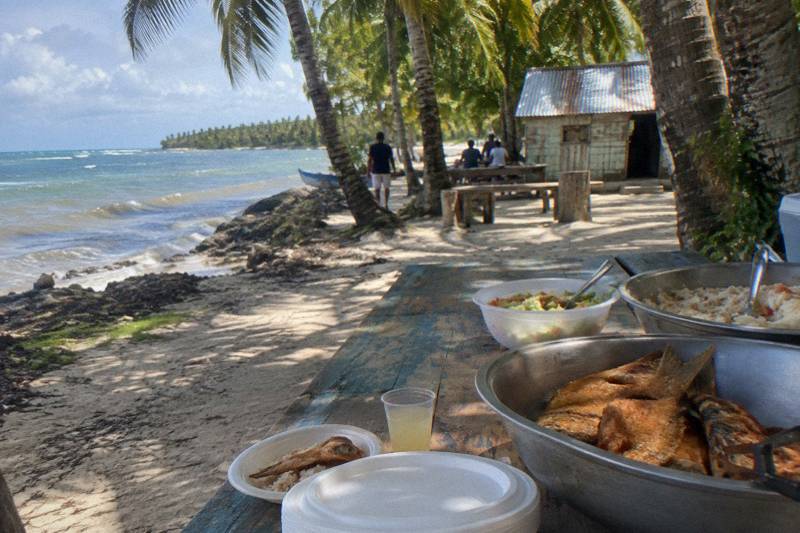
How Long Is The Boat Ride To Saona Island?
Speedboat crossings to Saona usually run 20 to 60 minutes and catamarans 1 to 2 hours from Bayahibe. Here is how boat type, departure town and sea state shape the full day.
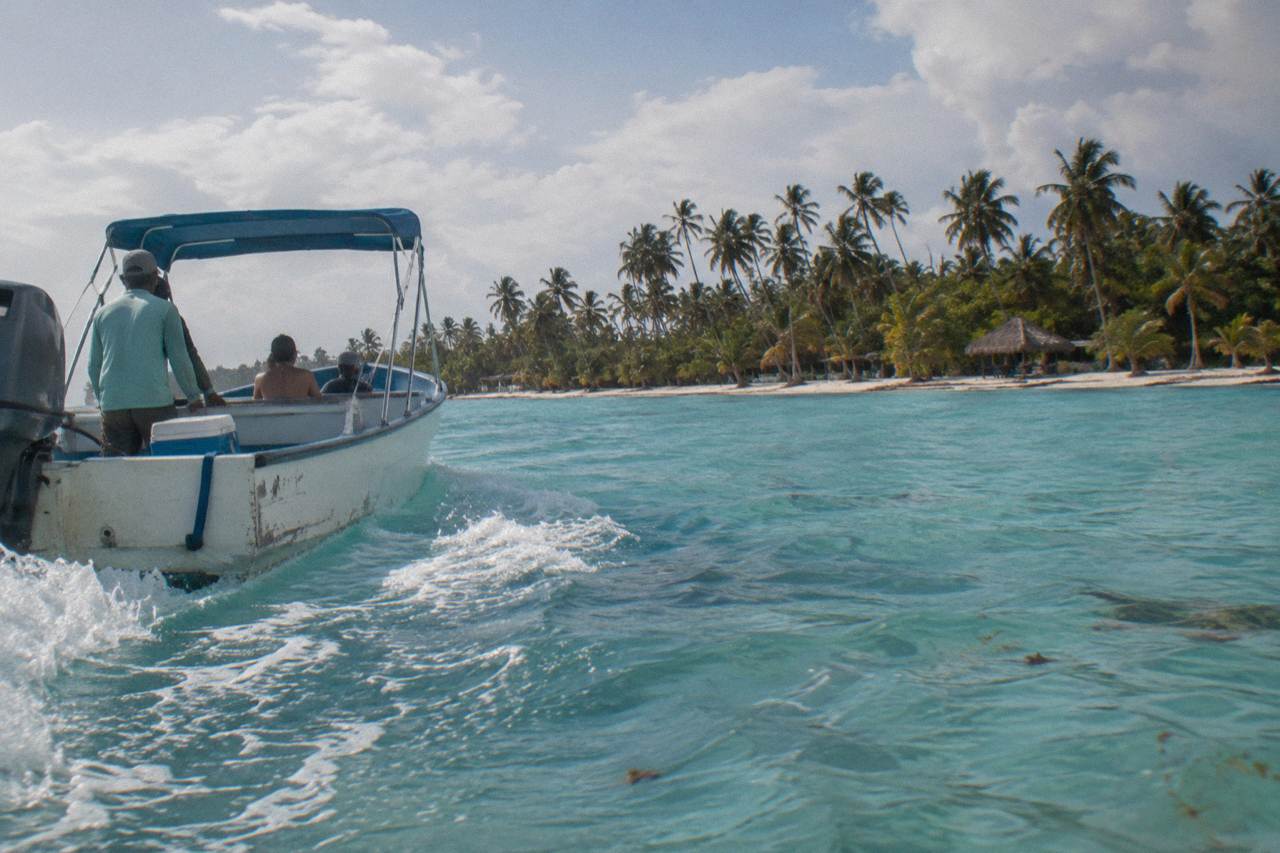
The boat ride to Saona Island usually takes 20 to 60 minutes by speedboat and 1 to 2 hours by catamaran, depending on sea conditions and the operator. Every boat leaves from the Bayahibe pier area on the Dominican Republic's Caribbean coast. If your tour starts from a Punta Cana or Bavaro hotel, the road transfer to Bayahibe, roughly an hour, happens before anyone steps on a boat, so the crossing is only one segment of a day that runs about 6 to 12 hours door to door.
That split between boat time and total day time surprises a lot of travelers researching the trip. The island sits close to the mainland, protected inside Parque Nacional Cotubanamá, and the crossing itself is one of the shorter parts of the itinerary. What stretches the day is the pickup schedule, the drive, the natural pool stop, the buffet lunch on the island and the return leg, sometimes by a different boat type than the outbound one. Many mixed itineraries run a speedboat out and a catamaran back precisely so passengers feel both versions of the crossing.
Boat type is the single biggest lever on crossing time, and it also changes what those minutes feel like. A speedboat crossing is fast, windy and bouncy in a chop. A catamaran crossing is slow, shaded in parts and social, with the open bar usually flowing. Neither is objectively better; they serve different travelers. This article breaks the crossing down by boat type, by departure town and by what the sea itself does to the schedule, using the timings operators publish and the verified drive times to the Bayahibe pier.
The Island Escape to Saona speedboat trip is the related listing for this page because it answers the question directly: a fast outbound crossing, beach and lunch time, and the details, including price and cancellation terms, on the operator's live listing.
Why Every Saona Boat Leaves From Bayahibe
Every boat trip to Saona Island departs from the Bayahibe and Dominicus pier area, which serves as the sole departure point for all excursions to the island. Despite what many visitors expect, no boats leave from Punta Cana or Bavaro beaches, so travelers staying there must first travel to the Bayahibe area to board their Saona Island tour. The island sits inside a protected national park on the Caribbean side of the country, and Bayahibe is the access point operators use. Punta Cana faces the Atlantic, a different sea, a different coast and a much longer distance, so tours from resort zones east of Bayahibe always begin with a road transfer, usually about an hour in each direction. That geography is the reason the crossing stays short while the total day runs long.
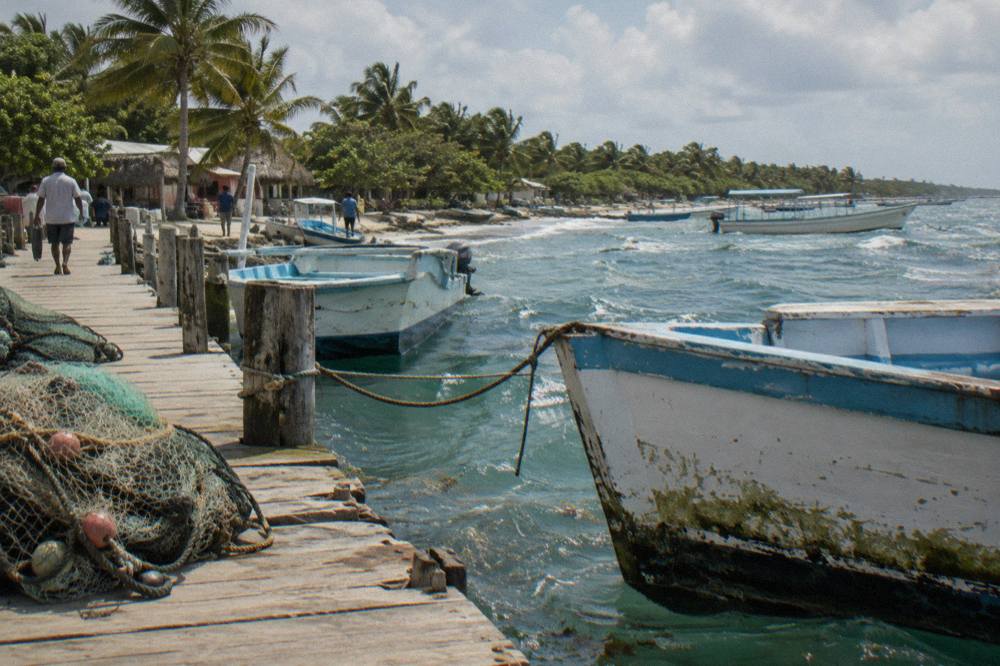
This geography explains most of the confusion around Saona timings. Travelers read that the boat ride is under an hour, then see tour listings advertising 8, 9 or 10 hour days, and assume something is being padded. Nothing is. The arithmetic is simple: a pickup usually starting between 6:30 and 8:00 AM, a drive of roughly 60 minutes from the Punta Cana hotel zones to the pier, boarding and wristband distribution, then the crossing, then four to five hours across the natural pool stop, lunch and beach time, then the return boat and the return drive. Stacked together, that is a full day by design.
There is also no scheduled public ferry to Saona. The boats that make the crossing are tour boats, catamarans, speedboats and combinations, plus informal local lanchas from the Bayahibe working dock that serve the village of Mano Juan rather than the tour beaches. Independent travelers sometimes negotiate a lancha ride, but that is a different product from a listing, with no lunch, no natural pool stop and a return time agreed in advance. For almost everyone reading this, the crossing happens aboard a booked tour.
The park itself is run by the Dominican Ministry of Environment, and its protected area visit service page describes the wristband payment system at the site. Entry for foreign adults costs roughly US$10 to 12 according to independent visitor guides; the Ministry publishes no price list, so confirm with your operator, and note that many tours bundle the fee. The practical relevance to timing: the wristband and boarding process at Bayahibe adds minutes before the boat ever leaves, which is one reason listed durations are given as ranges rather than fixed hours.
Speedboat Crossing Times To Saona Island
A speedboat crossing to Saona Island typically takes 20 to 60 minutes, with the exact duration depending on three main factors: the state of the sea on the day, the specific landing beach your tour uses, and the number of stops the itinerary builds in along the way. Operators quote the range rather than a single figure because the same boat can make the run in well under half an hour on a flat morning and considerably longer into a chop. Speedboats serve the itineraries that prioritize island time over sailing time, and the fastest listings pair the quick crossing with a fuller afternoon on the beach.
The short end of the range, around 20 to 30 minutes, typically applies to direct runs from the Bayahibe pier toward the main Saona beach areas when the sea cooperates. The longer end usually reflects one of three things: a route that threads through the natural pool at Palmilla first, a sea running against the bow, or a boat that slows deliberately in the shallow reef flats approaching the island. None of these are delays in any meaningful sense; they are the trip. However long your particular crossing turns out to be, the guide to free and budget-friendly activities around Bayahibe and Saona shows you how to fill the rest of the day without spending much.
What the speedboat minutes feel like matters as much as the number. These are open boats moving fast, so the ride is windy, occasionally spray soaked, and bumpy in a swell. Travelers with back or neck issues, or families with very small children, often weigh that against the time saved. The trade is honest: you buy back an hour or more of beach and lunch time in exchange for a wetter, louder, faster passage. The small group speedboat format, capped listings such as a max 20 passenger round trip, keeps the same speed advantage with fewer people aboard, which many travelers find worth the price step from the big group boats.
Speedboat itineraries also concentrate the day differently. Because the crossing is quick, the schedule can afford a longer natural pool stop, more time at the beach, and a later departure back to the mainland. When a listing shows a 7 to 9 hour total day from Punta Cana with a speedboat leg, most of those hours are the island itself, not the water. Reading a listing's duration alongside its boat type is the fastest way to see where your day will actually be spent.
Catamaran Crossing Times To Saona Island
A catamaran crossing to Saona Island usually takes between 1 and 2 hours, with the exact timing depending on sea conditions, wind, and the operator's sailing style. Because these factors vary from day to day and from one operator to another, some crossings finish in about an hour while others run closer to two. Catamarans move at a fraction of a speedboat's pace, and most operators treat the crossing as part of the excursion rather than a transfer: music, open bar, dancing and a slow approach across shallow turquoise water. For many travelers the slow leg is not a cost of the day, it is the day, and the listings are priced and scheduled around that rhythm.
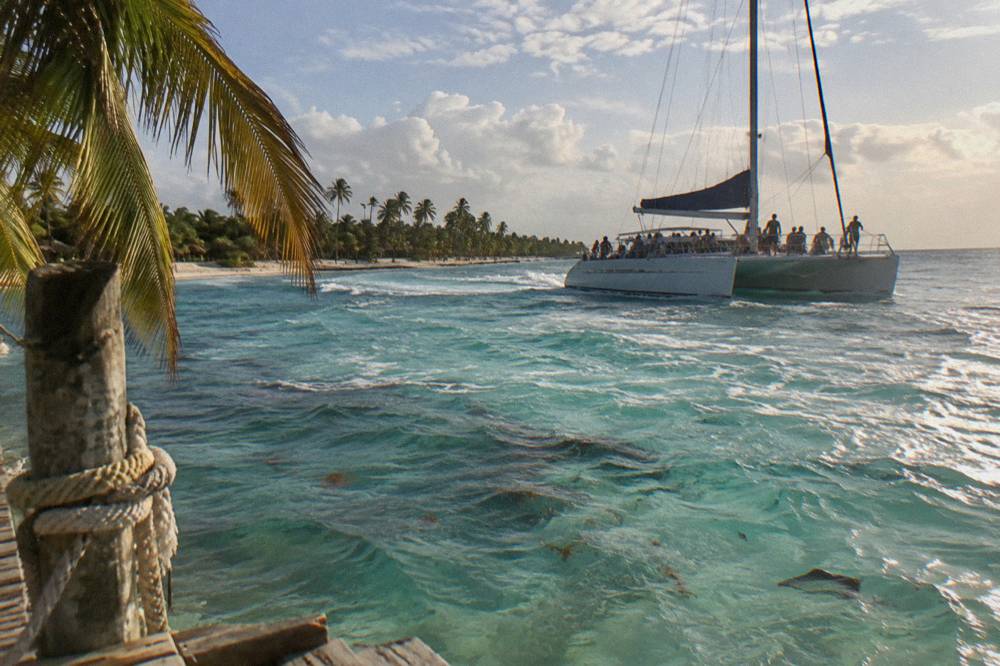
The two hour end of the range is not a delay; it is often deliberate. Sailing out under canvas takes longer than motoring, and the shallow bank between Bayahibe and Saona encourages a slow, scenic line. Operators report that calm dry season mornings, December through April, tend toward the shorter end of the range, while a fresh trade wind or a swell can push the passage toward the longer end. The listing for any given catamaran trip describes its own rhythm, and some explicitly bill the return leg as the party leg.
The most common Saona format actually splits the difference: speedboat out, catamaran back. The logic is practical as well as commercial. The outbound leg gets you to the island fast while the morning is fresh and the sea is often calmest, and the return leg, when everyone is fed, sunned and tired, becomes a slow drift home with the bar open. If you are comparing listings and see the phrase "speedboat and catamaran" in the title, that mixed pattern is almost always what it means, and your two crossings will take different amounts of time on purpose.
Catamaran crossings suit a specific traveler profile: people who enjoy the boat as a venue, who want shade and space to move around, who would rather socialize for two hours than gain an hour of beach, and anyone uneasy about speedboat handling. Group catamaran day trips across the current roster run from US$63 to 116 per person, while small group and VIP speedboat options run US$75 to 169, so the slower boat is also usually the cheaper seat. Neither price band promises sea state; both bands promise a schedule built around the boat's natural pace.
How Long The Whole Saona Day Takes Door To Door
Expect a Saona day trip to take roughly 6 to 12 hours from the moment you leave your hotel until you return, based on the current listing roster. Most Punta Cana departures fall in the middle of that range, with total door to door times landing between 8 and 11 hours. The boat crossing is only 20 to 60 minutes of that on a speedboat or 1 to 2 hours on a catamaran. Everything else is pickup, driving, boarding, the natural pool stop, lunch, beach time and the return, so the headline duration is the number to plan around rather than the crossing alone.
| Departure base | Road leg to Bayahibe pier | Boat leg | Typical total day |
|---|---|---|---|
| Bayahibe or Dominicus hotels | 5 to 10 minutes | 20 min to 2 hrs | About 6 to 8 hours |
| Punta Cana hotel zones | About 60 minutes | 20 min to 2 hrs | About 8 to 11 hours |
| Bavaro hotels | About 60 to 90 minutes | 20 min to 2 hrs | About 8 to 11 hours |
| La Romana area | About 25 minutes | 20 min to 2 hrs | About 7 to 9 hours |
| Santo Domingo | About 2 hours | 20 min to 2 hrs | About 10 to 12 hours |
The drive times in the table are computed free flow estimates to the Bayahibe pier and are approximate; traffic, hotel location within a zone and the operator's pickup circuit all move them. The Santo Domingo row deserves a note: three listings on the current roster depart from the capital at US$87.90 to 130 per person, and their long totals come almost entirely from the road, not the water. Travelers based in Santo Domingo who only read the boat time sometimes underestimate the day significantly.
Pickup timing is the other hidden variable. Most tours from the eastern resort zones collect guests between 6:30 and 8:00 AM, with the exact slot depending on the hotel's position in the circuit. A 6:30 pickup and an 11 hour listed duration means returning near 5:30 PM; that is a big day, and it is worth checking the listing's stated duration against your dinner plans or a flight the same evening. The listed duration on each operator's page is the honest number to plan around, not the crossing time alone.
Finally, the day's internal shape explains why total durations vary even between identical boat types. A trip with a 45 minute natural pool stop, a buffet lunch and four beach hours simply runs longer than one that trims the pool stop to 30 minutes. Not every tour includes every stop. Reading the itinerary bullets, rather than the headline duration, tells you whether a longer day is packed with activity or just loosely scheduled.
What Changes The Crossing Time On The Day
Sea state, wind, the chosen landing beach, and the operator's route all shift a Saona crossing within or beyond its usual range, so no operator can promise a fixed time on the water. The same trip can run quicker or slower on different days purely because conditions and routing change. The honest framing is that the ranges in this article, 20 to 60 minutes by speedboat and 1 to 2 hours by catamaran, are approximate by nature. Conditions vary day to day, and listings that describe the crossing typically say so in almost exactly those words.
The seasonal pattern is real even though no day is guaranteed. The dry season, December through April, brings the most consistently calm seas and the lowest rainfall, and it is when crossings most often sit at the short end of their ranges. The wet season, May through November, brings more frequent showers and occasionally rougher water, with September and October statistically the wettest months on 30 year averages. None of this predicts a given Tuesday. It just shifts the odds, which is why asking the operator about the morning's sea state is reasonable and normal.
Landing beach choice also matters. Saona trips use a handful of beaches, with Canto de la Playa, the main beach and the area near Mano Juan among them, and they sit at different distances and angles from Bayahibe. A boat headed to a farther landing, or one that pauses at the Palmilla natural pool for the standard 30 to 45 minute stop en route, logs more water time than a direct run. When a listing's total looks long for a speedboat itinerary, the itinerary bullets usually reveal the extra stop rather than a slow boat.
Comfortable small group boats split the difference between the two formats, and one comfortable-boat small group listing is a good example of a product built around a relaxed crossing rather than a fast one. These listings describe shaded seating, fewer passengers and a steadier ride, and their durations reflect a gentler pace on the water.
One planning habit ties all of this together: match the boat to what you want from the day, then read the total duration, not the crossing time, against your schedule. Travelers who obsess over the boat minutes often discover the road transfer and the pickup time were the bigger commitment all along.
Departure Towns And The Real Time Budget
The crossing from Bayahibe is constant across operators; what changes your day is the road leg from your hotel zone to the pier, roughly 6 minutes from Dominicus, about an hour from Punta Cana, and about 2 hours from Santo Domingo. These are computed drive times to the Bayahibe pier, approximate and traffic dependent. Booking from the right base can save more of your morning than any boat choice, because the road leg is the one part of the day no vessel can shorten.
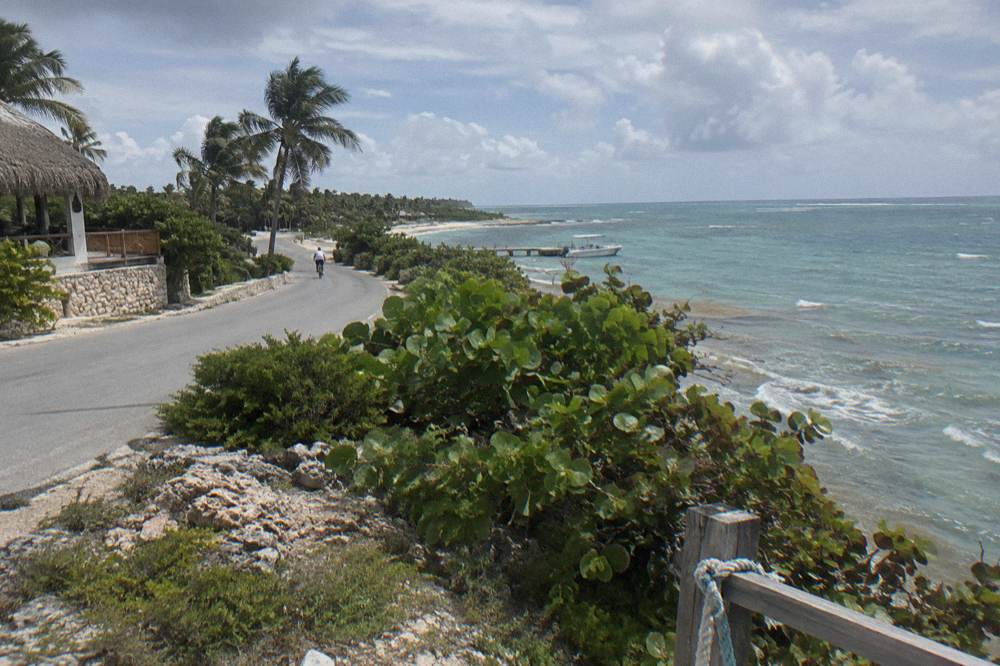
For Punta Cana and Bavaro based travelers, the math is worth doing once. The drive to Bayahibe runs about 70 km along the Autopista del Coral, a modern toll road, and free flow drive times come out at roughly 58 to 59 minutes from both the airport area and the Bavaro hotel zone. Operators quoting 60 to 90 minutes are building in pickup circuits and traffic, which is fair. Uvero Alto sits farther out, around 80 minutes by road, and Cap Cana sits closer, so your position within the resort sprawl moves the morning meaningfully.
Staying in Bayahibe or Dominicus flips the calculation entirely. With the pier 5 to 10 minutes away, the boat becomes nearly the whole trip, and total day durations compress toward 6 to 8 hours. That is why staying in Bayahibe itself is worth considering, where newer hotels have been announced through 2026, including a Spanish chain's first non European property and an adults only reopening in the Dominicus area. The village also gives you the option of shorter, cheaper listings from the local pier, including catamaran day trips from around US$69 per person on the current roster.
La Romana sits in between at about 25 minutes to the pier, and the area is only getting busier: MSC begins year round cruises from La Romana on November 16, 2026, a program projected to add roughly 120,000 visitors annually to the region. Cruise passengers docking at La Romana should treat Saona as one of the closest big excursions available, with the caveat that ship time ashore is fixed and the tour's total duration, not the crossing, is what must fit the port call. More on the wider area in the La Romana things to do guide.
Wherever you start, the how to get to Saona Island guide walks the road legs in detail, and the Saona Island tour price and what is included guide breaks down what each price band covers, including which listings bundle the park entry fee.
Rough Seas, Cancellations, And Reading The Weather
Yes, rough seas and high winds can lead operators to cancel or alter Saona Island crossings, but you will usually get your money back: most listings offer a full refund when the operator cancels, and many paid bookings also include a free cancellation window so you can back out yourself if the forecast turns. No crossing time is promised in those conditions, and the Atlantic hurricane season runs June 1 to November 30 with peak activity from mid August to mid October, which shifts the odds even when no specific day can be forecast in advance.
The practical version of this is simple. If the sea is unworkable, the operator calls it, and a reputable listing's cancellation policy is the thing to read before booking, not after. Many of the listings on this site advertise free cancellation, and the related speedboat trip on this page is among them, with the exact terms on the operator's live listing. Sailing in the dry season statistically lowers the odds of a weather scratch, but it never removes them, and a fresh trade wind can slow a catamaran crossing even on a cloudless day.
The other honest caveat is sargassum. 2026 was a heavy sargassum year across the Caribbean, and while Saona's south and west beaches are often clearer than the east coast resorts because the island deflects mats westward, that is a tendency, not a promise. Conditions vary by day and by beach, and operators sometimes adjust landing spots accordingly, which can change the crossing time and the route. The right move is to ask the operator about current conditions a day or two before, in the same message where you confirm your pickup time.
Safety context, stated neutrally because travelers ask: on July 27, 2026, an explosion and fire hit a tourist boat returning from a Saona excursion off Bayahibe, injuring 23 people, with no deaths reported, confirmed by two independent Dominican outlets. Nothing in the reporting connects the incident to any operator listed on this site. Life jackets were widely worn among those aboard. It is a reminder that the crew's safety briefing at the Bayahibe pier, however brief, is part of the crossing too.
For the entry side of the day, most nationalities including US, Canadian, UK and EU citizens need no visa for stays up to 30 days, the US$10 tourist card is usually included in airfare, and the free E-Ticket form is filed online before arrival via the official migration portal. None of it affects the boat ride, but all of it affects whether the morning goes smoothly.
Choosing Your Crossing: Fast Boat Or Slow Boat
Pick the speedboat when every beach hour counts and you accept a windy, bumpy ride in exchange; pick the catamaran when the boat itself is part of the day, because the slower pace comes with shade, room to spread out, and an open bar to enjoy from departure to arrival. Both cross the same water in the same protected park, usually 20 to 60 minutes fast or 1 to 2 hours slow, from the same Bayahibe pier, and the choice between them is about how you want to spend the minutes rather than how many you spend.
Price rarely decides this one. Group catamaran trips run US$63 to 116 per person and small group or VIP speedboat trips US$75 to 169 on the current roster, an overlap wide enough that both formats exist at both budgets. Private charters, priced per group at US$820 to 1,490 across three roster listings, are a separate decision entirely: they buy schedule control and a boat to yourselves, and the crossing time then depends on the vessel you charter. The details for each format sit in the Saona Island tour types compared guide.
If you are still weighing whether the day justifies the logistics at all, the honest answer is that the crossing is the easy part. The boat ride is short by excursion standards, the road legs are ordinary highway drives, and the island's beaches and the natural pool are what fill the hours. This site, Saona Island Dominican Republic Tours, keeps the full listing roster with current prices and inclusions for exactly this kind of comparison, and the questions below cover the timing details travelers ask about most.
For readers who want the fast crossing with beach time and lunch bundled, the Island Escape to Saona speedboat trip is the listing this page features, and you can check the speedboat trip details alongside the live listing.
Common Questions About Boat Ride Times To Saona Island
How Long Is The Boat Ride To Saona Island?
Usually 20 to 60 minutes by speedboat and 1 to 2 hours by catamaran, depending on sea conditions and the operator. All boats depart from the Bayahibe pier area, and the crossing is one segment of a day that runs about 6 to 12 hours door to door including road transfers.
Can The Boat Ride Be Longer Than Two Hours?
Yes. Rough seas, a fresh wind, a longer route to a farther landing beach or a stop at the Palmilla natural pool can stretch any crossing beyond the usual range. Operators describe crossings as approximate for exactly this reason, and no listing promises a fixed time on the water.
Do Boats Leave From Punta Cana Or Only Bayahibe?
Only Bayahibe and the adjacent Dominicus pier area. There are no boat departures from Punta Cana or Bavaro beaches; tours from those resort zones include a road transfer of roughly an hour to Bayahibe before boarding.
Which Is Quicker, The Speedboat Or The Catamaran?
The speedboat, usually by an hour or more. Many itineraries combine the two, running a speedboat outbound and a catamaran return, so passengers get a fast morning crossing and a slow, social sail home with the bar open.
What Happens If The Sea Is Too Rough To Cross?
Operators may cancel or alter the trip for rough seas, high winds or weather. Most listings offer a full refund when the operator cancels, and many carry free cancellation windows for traveler initiated changes; check the terms on the live listing before booking.
Is The Park Entry Fee Included In The Boat Tour Price?
It varies by listing. On the current roster, 11 of 40 tours explicitly include national park entry; the rest are silent. The fee runs roughly US$10 to 12 per foreign adult according to independent visitor guides, and the Ministry publishes no price list, so confirm with your operator to avoid paying twice.