What Are The Worst Months For Seaweed In Punta Cana?
The seaweed months in Punta Cana explained, plus why Saona Island and Bayahibe often see clearer water, how tours adapt, and how to time a trip around sargassum season.
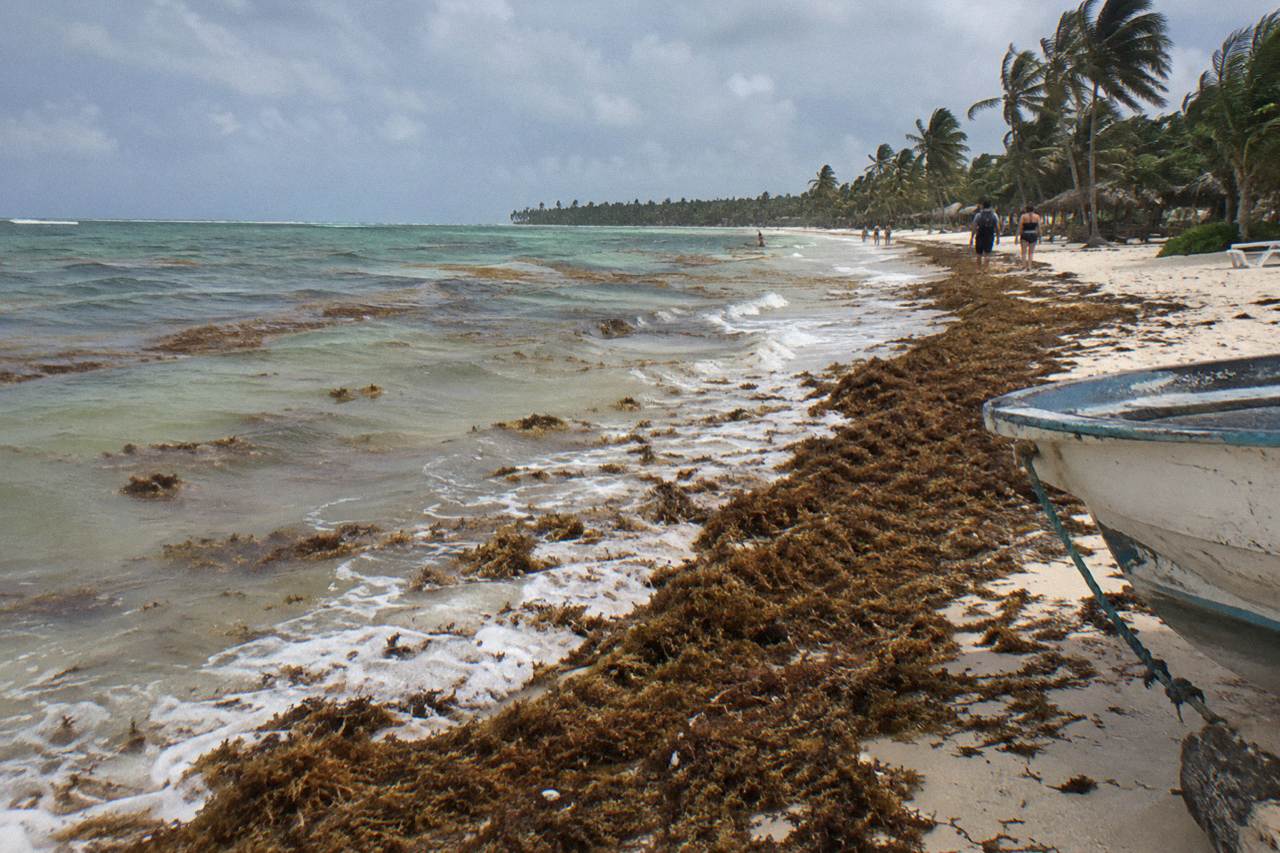
The honest answer for Punta Cana is that the worst seaweed months usually run May through August, with the risk tapering through the autumn and reaching its low from December through April, the dry season. Sargassum is a floating algae that drifts with Atlantic currents and wind, so no month is guaranteed clear and no month is guaranteed brown. The quantity changes year to year as well.
That is the part most quick answer pages skip: sargassum is a variable, not a schedule. What the seasonal pattern does give you is a set of odds. Late winter and spring bring the lowest odds of weed on the beach. Early and mid summer bring the highest. And the geography of the southeast coast means the impact is uneven even on the same day, which is where Saona Island, and the boat trips that cross to it from Bayahibe, come into the picture.
This article walks through the months, the currents, and the practical decisions: which side of the coast to base yourself on, whether a Saona excursion still works in the higher risk window, and what operators actually do when the weed arrives. Sargassum shifts with wind and current from one day to the next, and Saona's south side often stays lighter than Punta Cana's beaches, though it is never fully clear.
The worst months for seaweed in Punta Cana are generally May through August, easing through September and October, when sargassum arrivals peak along the coast, with the heaviest accumulations typically showing up in the summer months of June, July, and August. Outside this window, especially from November through April, beaches tend to stay noticeably clearer and cleaner for swimming and sunbathing.
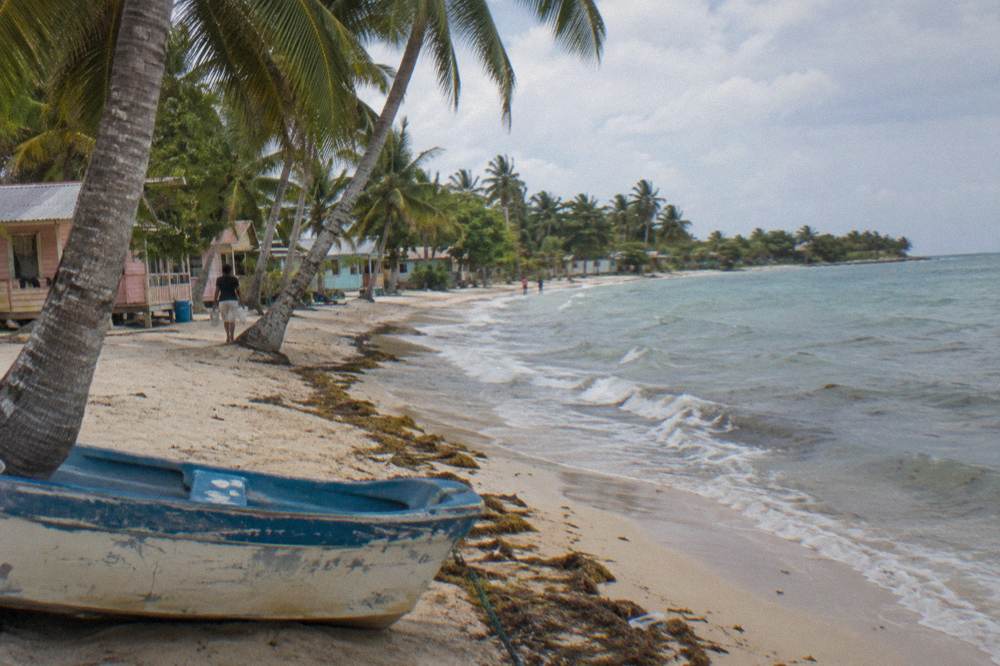
Operators and regional bulletins describe the pattern consistently. The seaweed arrives on Atlantic-facing shores, and Punta Cana and Bavaro face dead east into that flow. When a large raft of sargassum sits offshore, the onshore trade winds push it onto the beaches, and the resort crews then work through the morning raking it into piles at the waterline. Some hotel beaches keep remarkably clean this way. Public stretches and the areas between properties usually carry more.
The year-to-year swing matters more than people expect. The Caribbean saw record or near-record regional sargassum totals in 2026 according to monitoring data, yet even in a heavy year, individual weeks in the peak window can be clean, and individual weeks in the low season can catch a landing. Planning around the season shifts your odds. It does not lock in an outcome, and no honest source will promise one.
For travelers whose whole trip is about the water, the practical takeaway is simple: if your dates are flexible, aim for the December to April window. If they are not, base yourself where the geography helps you, or plan days on the water rather than days on an east-facing beach. The rest of this article is about that second option, because the boat trips to Saona run from Bayahibe, on the protected Caribbean side.
That is also where the tour question enters. A full day crossing to Saona puts you on south and west facing water for most of the day. The Saona Island day trip from Punta Cana is the most direct version of that idea, with hotel pickup on the east coast and a road transfer of about an hour to the Bayahibe pier before the boat.
Why The East Coast Catches The Weed And The South Side Often Does Not
The simple answer is geography and weather working together: the prevailing winds and currents push drifting weed toward the east coast, where it collects and gets caught, while the south side sits angled away from that push, so this shore is often less affected by it.
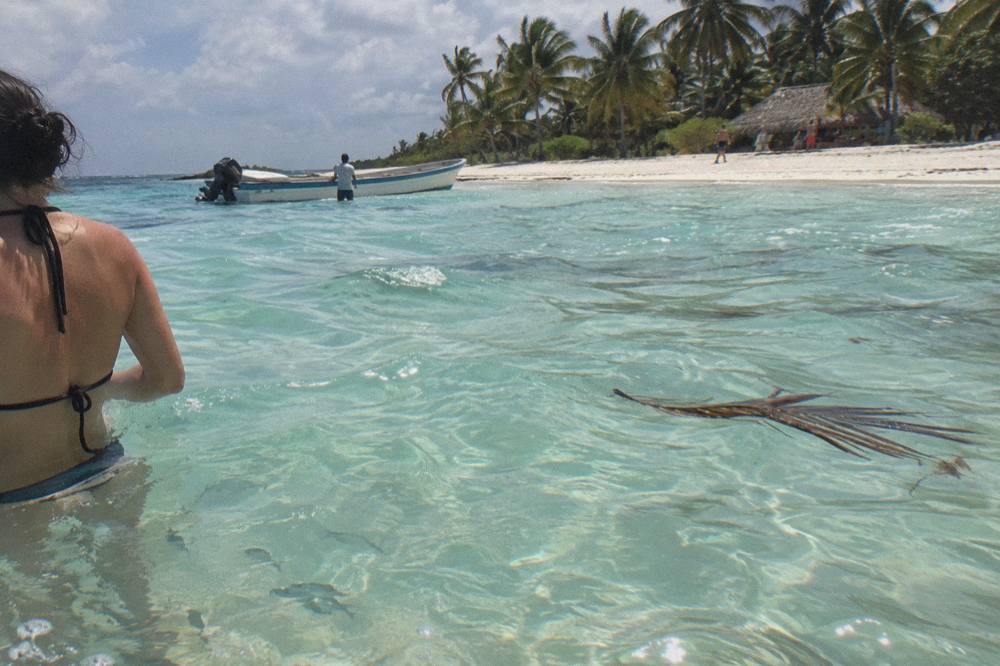
The mechanism is geography, not marketing. Sargassum is carried westward across the tropical Atlantic in large windrows. When those windrows reach the eastern tip of the Dominican Republic, the coastline splits them: some strands wash onto the Atlantic beaches of Punta Cana and Bavaro, while the remainder drifts along and around the southeast point. Saona sits in the lee of that flow, in the Bayahibe channel between the island and the mainland. Water there is generally calmer and the beaching events are typically smaller and shorter lived.
"Typically" is doing honest work in that sentence. Operators in the region are careful to say that Saona's south and west beaches are often clearer than the east coast but not always, and no operator or guide can promise a weed free day in any month. What the geography gives is a better starting position, and boat crews add flexibility on top of it: if one landing spot carries weed, a boat can usually move along the coast to another.
That asymmetry is worth knowing when you plan, because it turns a seaweed question into a location question. The pattern in one line: east facing beach, higher and more frequent landings; south and west facing water inside the channel, generally lighter and patchier.
| Area | Faces | Typical sargassum exposure | What it means for a beach day |
|---|---|---|---|
| Punta Cana and Bavaro hotel beaches | Open Atlantic, east | Highest landings in the May to August window; raked daily at resorts | Fine in the dry season; in summer, expect some weed at the waterline on at least some days |
| Uvero Alto and the far north hotel zone | Open Atlantic, east | Similar to Bavaro, sometimes stronger onshore push | Same seasonal pattern, fewer sheltered alternatives nearby |
| Bayahibe and Dominicus beaches | Caribbean side, south | Generally lighter; patchy arrivals that often clear within a day | A common base for travelers avoiding the worst window |
| Saona Island beaches | Channel and south facing | Often clearer than the east coast, but it varies by day | Landing spots are chosen by the crew on the day |
| Catalina Island | South of the channel | Similar lee position to Saona | An alternative boat day in the same protected water |
The Ministry of Environment, which runs Parque Nacional Cotubanamá covering Saona, publishes park rules on its protected area visitation page, and that page is also the right place to check how visits are administered, since entry is paid by wristband at the site and the Ministry publishes no price list. Independent visitor guides put the fee at roughly US$10 to 12 per foreign adult, and many tours bundle it, so the practical advice is to confirm with your operator rather than pay twice.
If the seaweed calendar is the reason you are reading this, the question worth asking is not only when to go but where your day will actually happen. A beach day at an east facing resort and a boat day crossing to Saona are two different bets on the same weather.
Does Saona Island Get Seaweed Too?
Yes, Saona Island does get seaweed at times. As part of the Dominican Republic's Caribbean coastline, it can be affected by the same seasonal sargassum that reaches other nearby beaches, so conditions vary depending on the time of year, currents, and winds. Many visitors still enjoy beautiful, clear water, and boat tours often stop at spots where seaweed is less of a problem.
That answer surprises people who have read that Saona is "protected." The protection is real but partial. The island blocks the direct Atlantic push, and inside the channel the water is calmer, so sargassum that does arrive tends to gather in thinner lines rather than the deep banks that can build on an open east coast beach. On a heavy regional year, though, the volume of drifting weed is large enough that some reaches almost everywhere, and a south facing beach can carry a landing for a day or two until the current moves it along.
Crews deal with this the practical way. Boats working out of Bayahibe have several landing options around Saona, including the main beach areas near Canto de la Playa and the village side at Mano Juan, and the natural pool stop at Palmilla sits in shallow water where the day's conditions decide how pleasant the swim is. When one spot carries weed, the skipper usually shifts to another. This is a genuine advantage of a boat day over a fixed beach: the beach cannot move, the boat can.
What this means for timing is encouraging without being a promise. Travelers visiting in the shoulder months, May, June and November, often find Saona perfectly swimmable even when hotel beaches in Punta Cana look rough, because the lighter drift in the channel has already dispersed. Travelers in the deepest part of the peak window may still find good days, especially early in the morning before any afternoon wind shift, but the odds are simply lower and the honest advice is to keep expectations flexible.
The natural pool stop deserves its own note. It usually runs 30 to 45 minutes on mixed itineraries, in shallow water on a sandbar, and the experience depends heavily on the day's clarity. The park rules are strict there regardless: do not remove starfish, shells, coral or sand, and single use plastic and foam are banned in the park under the Ministry's 2023 resolution. The starfish that give the spot its reputation are protected, and touching or lifting them is prohibited.
How To Time A Trip Around The Seaweed Calendar
To time a trip around the seaweed calendar, plan well ahead by studying recent seasonal patterns at your destination, monitor live seaweed forecasts and beach cameras as your dates approach, compare conditions across nearby shorelines, and book flexible or refundable options, since arrivals can shift quickly and vary from one stretch of coast to the next.
The dry season is doing you two favors at once. Less rain means clearer runoff and brighter water, and the regional sargassum abundance is typically near its annual low, so beachings on both the Atlantic and Caribbean sides are smaller and rarer. It is also the busiest and most expensive time on the east coast, which is the tradeoff. Prices for tours hold steadier than hotel rates, but demand for boat days is real in the high season, and booking ahead is sensible.
The shoulder logic works like this. May and June carry rising sargassum risk but not yet the peak, and November sits on the declining side as regional abundance falls through the autumn. Regional bulletins that track sargassum abundance project declining amounts and lighter beaching through late autumn into winter in a typical year. Travelers who accept some uncertainty in exchange for quieter beaches and softer prices often land exactly right in these months. Some do not. That is the deal.
| Period | Sargassum risk on the east coast | Typical conditions | Who it suits |
|---|---|---|---|
| December to April | Lowest of the year | Dry season, calmer seas, brightest water | Travelers who want the safest odds and will pay high season rates |
| May and June | Rising toward the peak | Warm, increasingly humid, patchy weed events | Flexible travelers chasing value and thinner crowds |
| July and August | Typically the highest window | Hot, humid, frequent landings on Atlantic beaches | Cheapest hotel rates; base on the south side or plan boat days |
| September and October | Declining but still elevated, and the wettest months | Humid, higher rain risk, water clearing in stages | Bargain hunters who accept weather risk generally |
| November | Low and falling | Transitional, quieter, water often clearing | A good compromise month for seaweed wary travelers |
Two caveats on reading any table like this. First, rainfall and sargassum are separate variables: September and October are the wettest months on the southeast coast on 30 year averages, but their sargassum risk is already falling from the summer peak, so a rainy October week can still deliver clear water. Second, none of these rows is a forecast. They describe the seasonal shape of the risk based on operator reporting and regional monitoring, and the only reliable statement about a specific week is the one you get from an operator looking at that week's water.
For a deeper look at the seasonal tradeoffs beyond seaweed, the guide to the best time to visit Saona Island breaks down crowds, prices and weather month by month, and the planning page for the Saona Island day trip covers what the boat day itself involves in each season.
What A Seaweed Day Actually Looks Like On The Water
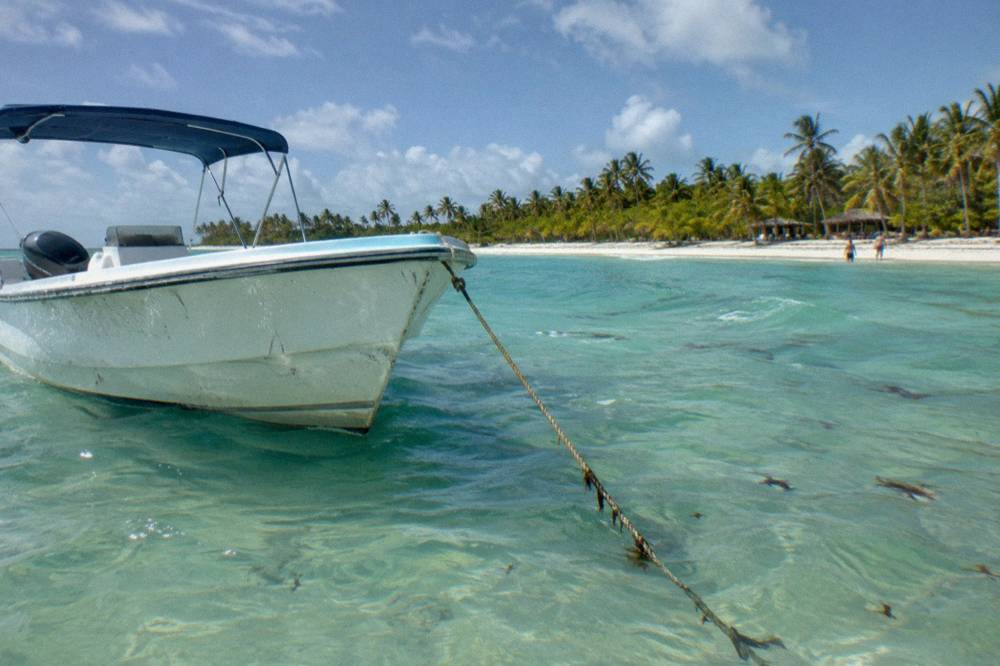
In practice, a seaweed day on the water is slower and quieter than you might expect: part boat ride, A weedy day rarely stops the crossing. Tours still run. Crews pick the cleanest stretch of sand to land on, and the south side of the island is often the better bet, though that varies day to day.
The day starts early regardless of seaweed. Pickups from Punta Cana and Bavaro hotels usually begin between 6:30 and 8:00 in the morning depending on the hotel zone, followed by a road transfer to Bayahibe of roughly an hour from the Bavaro hotel zone and a little under that from Punta Cana itself, in line with route timing operators quote of 60 to 90 minutes from Bavaro. All Saona boats leave from the Bayahibe and Dominicus pier area; there are no boat departures from the beaches of Punta Cana, so every east coast guest makes that drive first. That early drive is one of the real tradeoffs to weigh, and our guide comparing Saona with every other Punta Cana excursion option puts the transfer time in context against the alternatives.
The crossing itself takes usually 20 to 60 minutes by speedboat and 1 to 2 hours by catamaran, depending on the sea and the operator. Many mixed itineraries run a speedboat out and a catamaran back, which spreads the day across two very different rides. On the water, sargassum is largely a visual matter: thin windrows drifting past, sometimes a line at the surface near the sandbar. It rarely stops a crossing, and it rarely ruins the swim spots that crews select precisely because they are clean that day.
What the weed changes is the margin. A landing beach with a heavy bank of sargassum at the waterline is unpleasant to swim from and smelly to sit beside, so a good crew will not use one when an alternative exists. The main beach areas on Saona's south side, the stretch near Canto de la Playa and the gentler village side near Mano Juan, give options within a short run of each other. Ask, at booking, how the operator handles a weedy day: the answer tells you a lot about how the day will actually be run.
The tours in this family are substantial days out, typically 6 to 12 hours door to door across the range of listings, with a Dominican style buffet lunch and an open bar on the standard format, and the natural pool stop worked in on most itineraries. Group catamaran day trips run US$63 to 116 per person. Small group and VIP speedboat trips fall between US$75 and 169, while private boats are priced per group from US$820 to 1,490. Those are starting prices and the basis varies, so read the listing for what is and is not included.
What To Do If Your Dates Fall In The Peak Window
Base yourself in Bayahibe on the sheltered south side and keep a spare day in case sargassum shifts the plan, since prices and demand run highest then and availability shrinks the longer you wait. Lock in reservations for popular hotels, tours, and restaurant tables well ahead, and if you have any flexibility, shifting your trip even slightly can ease the strain.
Basing decisions matter more than most people expect. Bayahibe is a small working fishing village with its own beaches on the Caribbean side, about an hour's drive from the Bavaro hotel zone and 24 km from La Romana. Its beaches face south into the channel, which is the same lee position that protects Saona. The guide to Bayahibe versus Punta Cana covers the tradeoffs in detail, and the overview of Bayahibe beaches maps the individual stretches, several of which are within walking distance of the pier.
For the day itself, a few practical habits help in the higher risk window. Book with operators who state clearly what happens if weather or conditions change the itinerary, and keep at least one flexible day in your week so a boat trip can move if the first attempt lands on a bad day. Morning departures tend to catch the calmest water. And keep a land based backup: the caves at Cueva de las Maravillas, Altos de Chavón and the La Romana area all sit within easy reach of the Bayahibe departure zone and none of them depends on water clarity.
Money questions are straightforward. Park entry is bundled into many tour listings but not all; where it is not, expect roughly US$10 to 12 per foreign adult payable at the site, and confirm with your operator so you do not pay twice. Extras cost a few dollars and are paid on the day. Tips are not included in tour prices, and a common recommendation for a full day crew is US$10 to 20 per person in cash. None of these figures changes with the season, but budgeting them in advance removes friction from an early pickup.
One more note on timing the booking itself. Frequent advice says excursions are cheaper booked in advance, and in the peak sargassum window there is a second reason to book early: the boats that fill first are the ones with the flexibility and the alternatives. Waiting until arrival to book a Saona trip in July can mean the remaining seats are on the largest shared boats. Checking regional sargassum outlook bulletins in the weeks before travel gives a reasonable read on whether the season is running heavy or light, which is genuinely useful context even though it is not a guarantee.
Choosing A Tour When Seaweed Is A Worry
When seaweed is a concern, choose a tour operator with flexible itineraries and a clear cancellation or rebooking policy, since conditions can shift quickly along affected beaches. Look for companies that monitor seaweed reports and offer alternatives such as pool time, inland excursions, or visits to sheltered stretches of coast, so your day stays enjoyable even if the shore is not.
The differences between listings are real and worth reading closely. Shared catamaran trips carry larger groups and follow a set pattern: speedboat out, catamaran back, natural pool stop, beach time, buffet lunch. Small group speedboat trips, capped lower in headcount, move faster and can shift landing spots more easily, which is the specific trait that matters in the peak sargassum window. Private charters, priced per group from US$820 to 1,490 across the roster, give the crew full control of the day, and several listings in that family include hotel pickup. A comparison of Saona Island tour types breaks the formats down side by side.
Whatever you book, read the inclusions list rather than assuming. Park entry is stated as included on 11 of the 40 Saona Island tours available, and the rest stay silent on it, so the fee question above applies to most tours. Cancellation terms vary: many listings offer free cancellation up to a day before, which in sargassum season is worth more than it sounds, because it lets you hold a date and rebook if a heavy landing week coincides with your stay. The operator's live listing states the exact terms for each trip.
This is the planning logic in its shortest form. Match the month to the risk if you can. If you cannot, match the water: south and west facing, reached by boat, with a crew that can change plan. Saona delivers exactly that combination, which is why seaweed wary travelers end up on the Bayahibe pier even in August, and why Saona Island Dominican Republic Tours compares 40 Saona departures, all with free cancellation, rather than promising conditions no one can promise.
Common Questions About Seaweed In Punta Cana
What Are The Worst Months For Seaweed In Punta Cana?
The highest risk usually falls between May and August, with landings on the Atlantic facing beaches of Punta Cana and Bavaro most frequent in that window. Risk declines through the autumn and is typically lowest from December to April, the dry season. Sargassum varies by day and by year, so no month is guaranteed clear and none is guaranteed weedy.
Is Saona Island Affected By Sargassum?
Yes, sometimes. Saona's south and west beaches are often clearer than the east coast because the island deflects part of the sargassum drift westward, but conditions vary by day and operators make no promise of weed free water. Ask your operator about recent conditions when you book.
Do Tours Get Cancelled Because Of Seaweed?
Rarely for sargassum alone. Boats usually still run and simply land at a cleaner beach, since crews have several options around Saona. Cancellations are more often caused by rough seas or weather, and most listings allow a full refund when the operator cancels. Check the cancellation terms on the live listing before booking.
Which Months Are The Safest Bet For Clear Water?
December through April, which combines the dry season, calmer seas and the annual low in regional sargassum abundance. November is also a good compromise month, with risk falling, thinner crowds and often lower prices than the high season.
Is Bayahibe Better Than Punta Cana For Avoiding Seaweed?
On most days, yes. Bayahibe and Dominicus face south into the channel, in the lee of Saona, so landings there are generally lighter and patchier than on the Atlantic facing hotel beaches. It is not a guarantee, but the geography works in your favor.
Should I Still Book A Saona Tour In Summer?
Many travelers do and enjoy clear days, but the odds of some weed are higher from May to August. Booking a small group or private trip gives the crew more flexibility to move landing spots, and choosing a listing with free cancellation lets you rebook around a bad week.