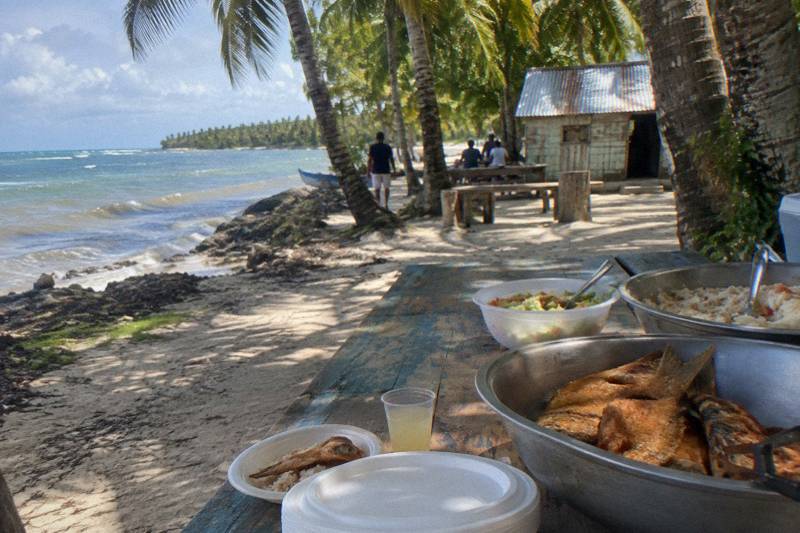
Why Is Saona Island Famous?
The beaches, the protected reserve status and the day trip machine that made Saona Island one of the best-known excursions in the Dominican Republic.
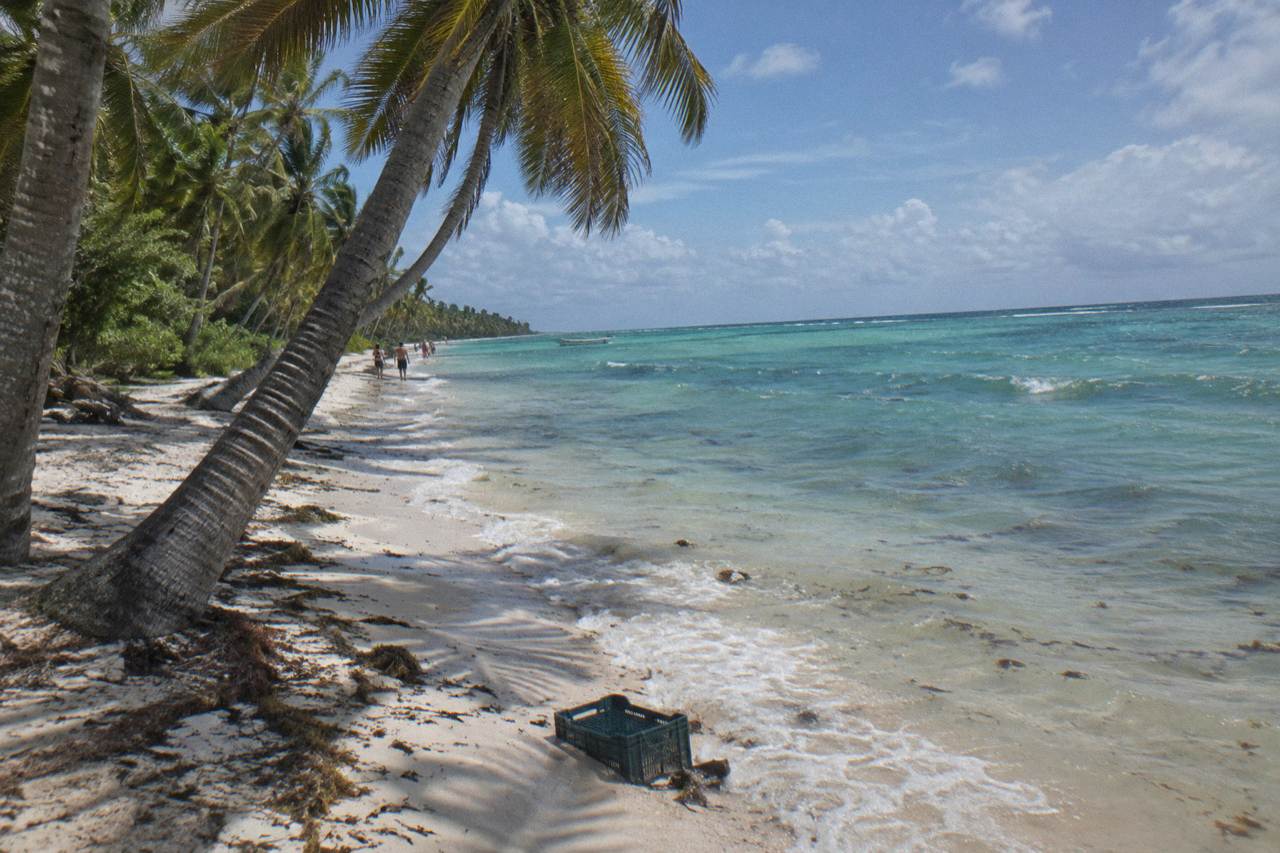
Saona Island sits inside Parque Nacional Cotubanamá, a protected reserve run by the Dominican Ministry of Environment, and that single fact explains most of its fame. The island's beaches were never lined with resorts because the law does not allow it. What grew instead was a day trip industry: speedboats and catamarans leaving from Bayahibe, carrying visitors out for a few hours of sand, buffet lunch and a swim in the starfish shallows of the natural pool, then bringing them back the same evening. Around forty listed tours now sell that day, which is a decent measure of how famous the island has become.
Saona Island is famous as the postcard beach of the Dominican Republic: a protected island inside Parque Nacional Cotubanamá, with white sand, calm turquoise water, a starfish natural pool, and a day trip industry that carries visitors out from Bayahibe by speedboat and catamaran. Across the 40 Saona Island tours listed, per-person prices run from US$63 to US$169. Those calm turquoise shallows are a big part of the island's appeal, and for anyone wondering how conditions vary elsewhere, the guide to swimming safely in the Dominican Republic covers the beaches, currents, and sargassum worth knowing about.
The fame has three layers, and each one feeds the next.
The first layer is geography. Saona sits off the southeast coast, sheltered from the open Atlantic. Its south and west beaches are often clearer of sargassum than the east-facing strands of Punta Cana and Bávaro, though that varies by day and operators adjust landing spots when the weed drifts in. The result is reliably calm, shallow, warm water, exactly what a postcard wants.
The second layer is protection. Because the island is a national park, no one has built a resort row on it. Day visits only, no overnight stays without a Ministry booking, and rules that ban removing starfish, shells, coral or sand. The absence of development is itself an attraction in a region otherwise thick with all-inclusive hotels.
The third layer is access. Every Saona boat leaves from the Bayahibe and Dominicus pier area. Punta Cana and Bávaro hotel zones, roughly an hour's drive away, funnel an enormous volume of visitors through that pier, and a full day trip runs about 6 to 12 hours door to door across the roster. A short drive, a short crossing, usually 20 to 60 minutes by speedboat and 1 to 2 hours by catamaran, and you are standing on a protected beach. That convenience, more than anything, is what turned a quiet island into a famous one.
For readers planning the trip rather than the trivia, the fame translates into a straightforward buying decision: which of the standard formats fits you.
The Protected Reserve Status Behind The Fame
Saona is part of Parque Nacional Cotubanamá, a national park administered by the Ministry of Environment. Day use only, with overnights only by Ministry booking, bans single-use plastic and foam on the island, and prohibits taking starfish, shells, coral or sand, which is why the island still looks like an untouched postcard.
The park designation is the quiet engine of the fame. Without it, the shoreline around the main beaches would likely have gone the way of every other desirable stretch of Dominican coast: hotels, seawalls, beach clubs. Instead, the Ministry of Environment controls access, and its protected-area visitation service page describes payment by wristband at the site, exemptions for schools and institutions, and overnight bookings handled by email. No resort row, no cruise-ship pier on the island itself, no development beyond the village of Mano Juan and a handful of park structures.
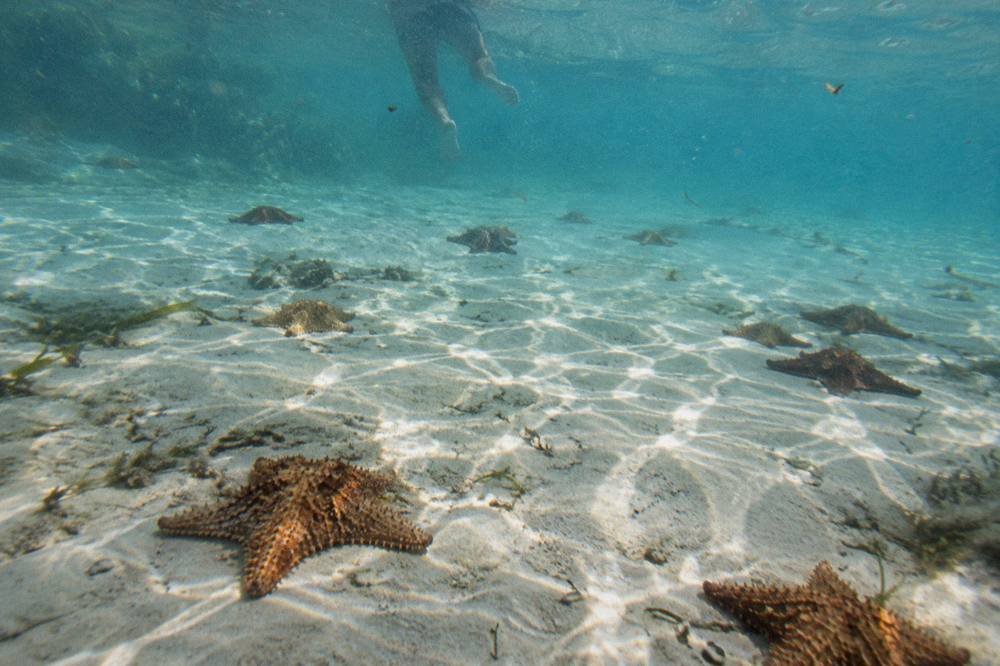
The rules matter to visitors in practical ways. Single-use plastic and polystyrene foam are banned in the park under a 2023 Ministry resolution signed at Mano Juan, so leave the plastic bottles behind. The natural pool stop, the famous one, comes with a strict no-touching rule for the starfish, enforced under the country's environmental law and repeated by every licensed crew. These are not decorative rules; they are the reason the starfish are still there.
Entry costs roughly US$10 to 12 per foreign adult, according to independent visitor guides; the Ministry publishes no price list, so confirm with your operator. Many tours bundle the fee, 11 of the 40 roster listings say so explicitly, and paying twice is the classic rookie mistake. If your listing does not mention park entry, ask before you board.
| What the park status means | The practical rule for visitors |
|---|---|
| Day visits only | No hotels on the island; every stay ends by evening boat |
| Single-use plastic and foam banned | Bring a refillable bottle; plastic bags stay at the hotel |
| Starfish, shells, coral and sand protected | Look, do not touch or collect, especially at the natural pool |
| Entry by wristband at the site | Roughly US$10 to 12 per foreign adult, often bundled in the tour price |
| No scheduled public ferry | Access is by organized tour boats from Bayahibe |
That combination, strict rules plus easy access, is genuinely unusual in the Caribbean and goes a long way toward answering the fame question on its own. The complete guide on this site, Saona Island from every angle, unpacks the park rules in more depth for readers who want them.
The Beaches And The Natural Pool
Saona's fame rests on two signature sights: the wide palm-lined beaches at Canto de la Playa and the main strand, and the Piscina Natural at Palmilla, a waist-deep sandbar where starfish sit on the seabed. Tour itineraries usually give the natural pool 30 to 45 minutes plus a beach stop with buffet lunch.
The natural pool deserves its own paragraph because it is the single most photographed thing on the island. It is a shallow sandbar in open water, warm and still, where the water turns an improbable pale blue. Speedboats pull up, guests step over the side into waist-deep water, and crew serve drinks from the boat. The starfish that made the spot famous sit on the sand below, and the rules above apply with full force: they are protected, and touching or lifting them is prohibited.
The beaches themselves are the second half of the picture. Canto de la Playa, a long crescent of pale sand backed by palms, appears on some VIP and four-beach itineraries, while most tours make their buffet stop at the busier main landing beach. Mano Juan, the small fishing village on the south coast, appears on some itineraries as a slower, more local stop, and it is also home to the island's turtle sanctuary project. Not every tour includes every stop, so the itinerary line on the listing matters more than the island's reputation.
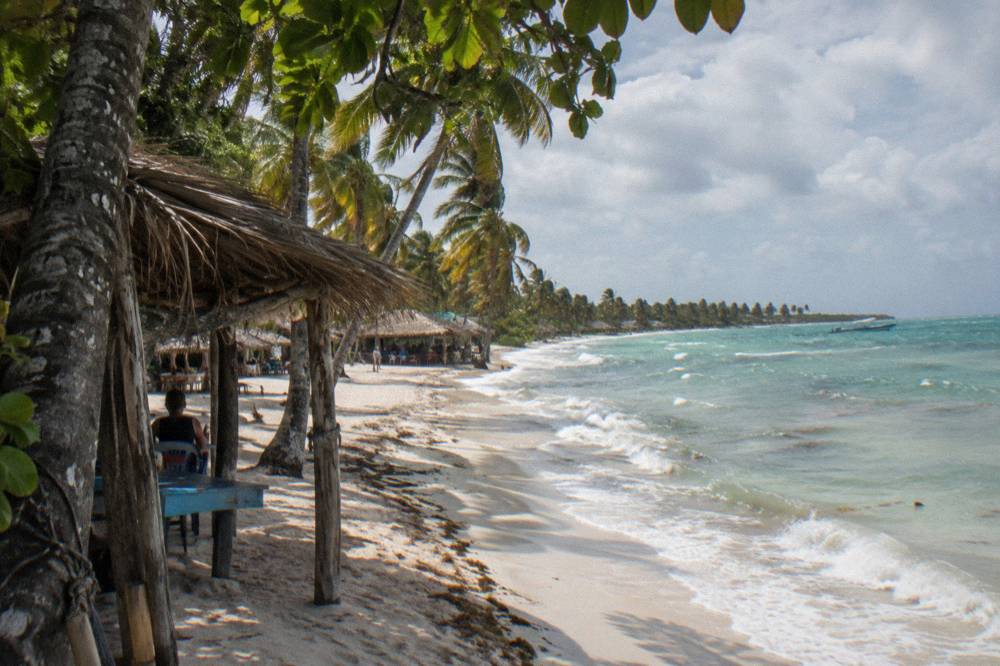
One honest caveat belongs here. Sargassum, the floating seaweed that has hit Caribbean beaches hard in recent years, reached near-record regional levels in 2026. Saona's south and west shores are often clearer than Punta Cana's east-facing beaches precisely because the island deflects the mats westward, but "often" is not "always", and conditions change day to day. Ask your operator about the current state of the landing beach before you book if clear water is the whole point of the trip for you. Monitoring bulletins covering late 2026 projected declining seaweed abundance into the winter season, which is the direction every visitor wants.
Readers deciding between the two headline stops can compare formats in the natural pool and starfish guide, which covers what the swim stop actually involves and how it varies between tours.
How Saona Became The Signature Punta Cana Excursion
Saona became famous by proximity: Punta Cana and Bávaro, the Dominican Republic's largest resort zones, sit about an hour's road transfer from the Bayahibe pier, and tour operators bundled hotel pickup, boat crossing, buffet lunch and open bar into a single bookable day. Group catamaran day trips now start from US$63 per person across the roster.
The economics are almost embarrassingly simple. A visitor flies into Punta Cana International Airport, stays in a resort, and wants one big excursion. The nearest world-class beach that is not attached to their hotel is Saona, reachable by a bus ride of roughly 60 to 90 minutes from the Bávaro hotel zone, then a boat. Operators standardized the product: pickup usually begins between 6:30 and 8:00 in the morning, speedboat out, catamaran back, natural pool stop, buffet lunch, open bar, return by early evening. Door to door, about 8 to 11 hours for most listings.
Volume followed, and volume created fame of its own kind. The all-inclusive format from Punta Cana, the one most resort guests encounter, is represented on this site by the all-inclusive Saona Island Paradise day trip, which lists hotel pickup, lunch and drinks in its inclusions. It is a good marker for the standard product: big group, full day, everything arranged.
A second, quieter factor reinforced the loop. Bayahibe itself grew into a pleasant base town, and in December 2025 a new visitor parking facility with sidewalks, signage and a pedestrian bridge opened at Playa Bayahibe, easing the congestion that the sheer number of Saona departures had created at the pier. The departure town is now built to handle the traffic the island's fame generates.
The cruise angle matters for the fame question more than most visitors realize. La Romana's port expansion, an investment above US$15 million, now handles larger ships, and every additional cruise passenger is a potential Saona day-tripper. The island's audience is no longer only resort guests.
The Movies, The Myths And The Postcard
The internet widely repeats that Pirates of the Caribbean scenes were filmed on Saona, but the claim is unverified and should be treated as a myth. The island's fame is fully explained by its beaches, its park status and its day trip industry; the film story is decoration, not the cause.
It is worth being precise here because the film claim shows up in search results, hotel lobbies and tour descriptions constantly. There is no primary confirmation of it in the verified sources for this site, and the honest answer to "what movie was filmed on Saona Island?" is that the association circulates but cannot be confirmed. Visitors who come for the landscape will not be disappointed either way; visitors who come specifically for a film location should know the claim does not check out.
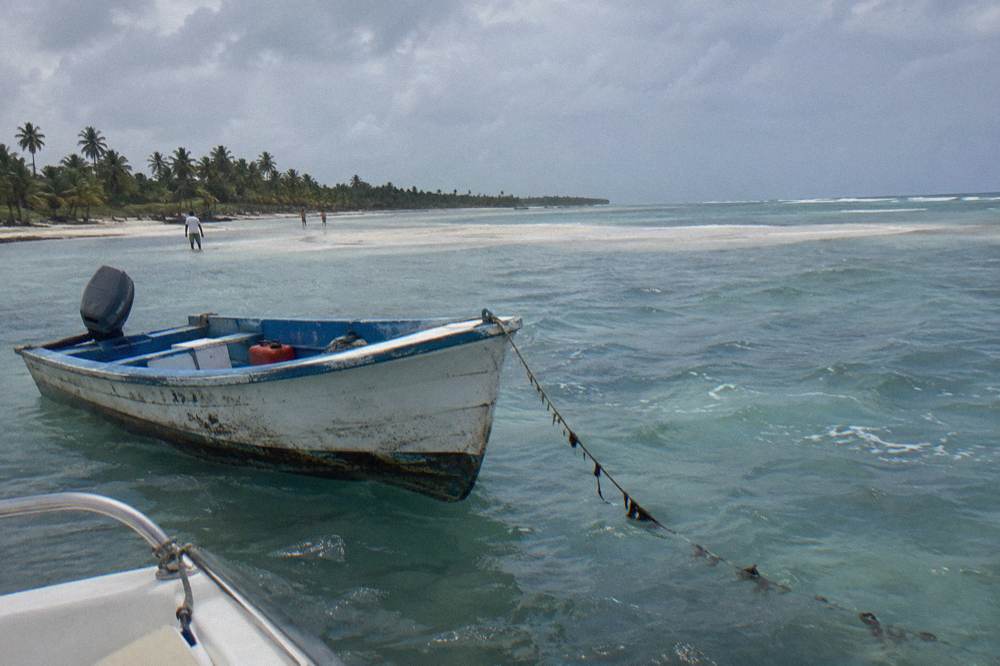
The postcard image, by contrast, is completely real and completely reproducible. The twin props of that image, pale sand and impossibly blue shallow water, are natural features of the south and west shores, refreshed daily by the same calm conditions that make the boat crossing gentle. Photographers do not stage the color.
One more piece of context that travelers sometimes ask about. On 27 July 2026 a tourist boat returning from a Saona excursion suffered an explosion and fire off Bayahibe, injuring 23 people with no deaths reported. It was a serious incident, one that drew coverage from multiple Dominican news outlets. Licensed Saona tours continue to run daily; the incident is part of the record, not a pattern.
What Fame Costs: Prices Across The Formats
Fame has a price list, and it is tiered: group catamaran day trips run US$63 to 116 per person across 16 roster listings, small group and VIP speedboat trips US$75 to 169 across 16, Santo Domingo departures US$87.90 to 130, and private charters US$820 to 1,490 per group. The median per-person from-price is US$100.
Those bands are not arbitrary; they map onto real differences in what you get. The group catamaran product is the famous one: 30 to 60-plus passengers, full day, buffet lunch and open bar included on most listings. The small group and VIP tier buys fewer people on the boat, often a speedboat format, and in some cases a dedicated snorkel focus. Private charters are priced per group and buy schedule control, and the family or friend group of eight to twelve that fills one can land close to the small group price per head.
| Tour format | Typical from-price | What the price buys |
|---|---|---|
| Group catamaran day trip | US$63 to 116 per person | Shared boat, buffet lunch, open bar, natural pool stop |
| Small group or VIP speedboat | US$75 to 169 per person | Fewer passengers, faster crossing, often snorkel focus |
| Santo Domingo departure | US$87.90 to 130 per person | Longer road transfer included from the capital |
| Private charter | US$820 to 1,490 per group | Whole boat, custom timing, your own group only |
Two extras sit outside every listed price. The park entry fee, roughly US$10 to 12 per foreign adult, is bundled by some tours and paid at the booth for others; check your listing's inclusions line. Tips are not included anywhere on the roster, and a common guideline for a full-day crew is US$10 to 20 per person in cash, alongside a few dollars for incidentals like souvenirs or optional photos. Nothing on the island takes a card reliably, so cash is the plan.
The full cost breakdown for a Saona trip walks through every line item for readers who want the arithmetic before booking. Travelers weighing the value question first might also start with whether Saona Island is actually worth it, which takes an honest look at crowds and expectations.
Why The Fame Keeps Growing
Saona's fame is self-reinforcing: more visitors fund more boats and better logistics, better logistics make the trip easier to sell, and the island's protected status keeps the product from being spoiled by the volume. Regional growth, including La Romana's new year-round cruise homeport, adds fresh demand every season.
The feedback loop deserves a closer look because it explains why this island, and not some equally pretty neighbor, became the name everyone knows. Isla Catalina sits off La Romana, also protected, also beautiful, and it draws a fraction of the attention. Saona won on two counts: it had the natural pool, a genuinely distinctive feature, and it had the Bayahibe pier, positioned closest to the Punta Cana hotel engine. First-mover logistics plus one unrepeatable sight equals a franchise.
The protection then locked the advantage in. Because the island cannot be built out, the experience cannot be degraded the way a resort beach can, and because the boats are licensed and the park is managed, the volume has a ceiling of sorts even without a published visitor cap. Operators vary landing between the main beach, Canto de la Playa and Mano Juan depending on conditions and crowds, which spreads the load along the shore.
Demand is still rising. MSC's year-round La Romana homeport from November 2026 adds a projected 120,000 annual visitors to the region, new hotel investment is landing in Bayahibe itself, and the road corridor from Punta Cana is established and fast. Every one of those factors routes more people toward the same pier. Readers who want the quieter version of the same island should look at the small group tour formats, which trade the big-boat party for headcount and pace, or browse Saona Island Dominican Republic Tours for the full roster before the next season fills up.
The fame, in short, is not an accident and not a marketing invention. It is a protected beach, a shallow starfish pool, an hour's drive from the Punta Cana and Bavaro hotel zones, and the boats that run there from the Bayahibe pier. The fourth factor exists because the first three are true.
Common Questions About Saona Island's Fame
Why Is Saona Island Famous?
For its protected beaches inside Parque Nacional Cotubanamá, the starfish natural pool at Palmilla, and a highly organized day trip industry running speedboats and catamarans from Bayahibe, mostly serving Punta Cana resort guests on a roughly 8 to 11 hour round trip.
Were The Pirates Of The Caribbean Movies Filmed On Saona Island?
The claim circulates widely but is unverified, and this site treats it as a myth rather than a fact. The island's fame stands on its beaches, its national park status and its tour industry without any film credit.
Why Are There No Hotels On Saona Island?
The island is part of a national park administered by the Ministry of Environment. Visits are day-use only, and overnight stays require a Ministry booking. No resort construction is permitted, which is exactly why the shoreline still looks untouched.
What Is The Most Famous Spot On Saona Island?
The Piscina Natural at Palmilla, a shallow sandbar where starfish rest on the seabed. Tours usually spend 30 to 45 minutes there. Touching or removing the starfish is prohibited under park rules.
How Much Does A Famous-Island Day Trip Cost?
Across the 40 listings on this roster, from-prices run US$63 to 116 per person for group catamaran day trips, US$75 to 169 for small group and VIP speedboat formats, and US$820 to 1,490 per group for private charters. The park entry fee, roughly US$10 to 12 per foreign adult, is bundled in some tours and not others.
Can You Visit Saona Island On Your Own?
There is no scheduled public ferry. Access is by organized tour boats from the Bayahibe pier, and informal local boats to Mano Juan village exist but are not equivalent to a full excursion with lunch, drinks and the natural pool stop.