Is It Safe To Swim In The Sea In The Dominican Republic?
A research-based answer to sea swimming safety in the Dominican Republic, covering calm Caribbean bays, rougher Atlantic beaches, currents, sargassum, marine life rules and the calm-water case for a Saona Island day trip.
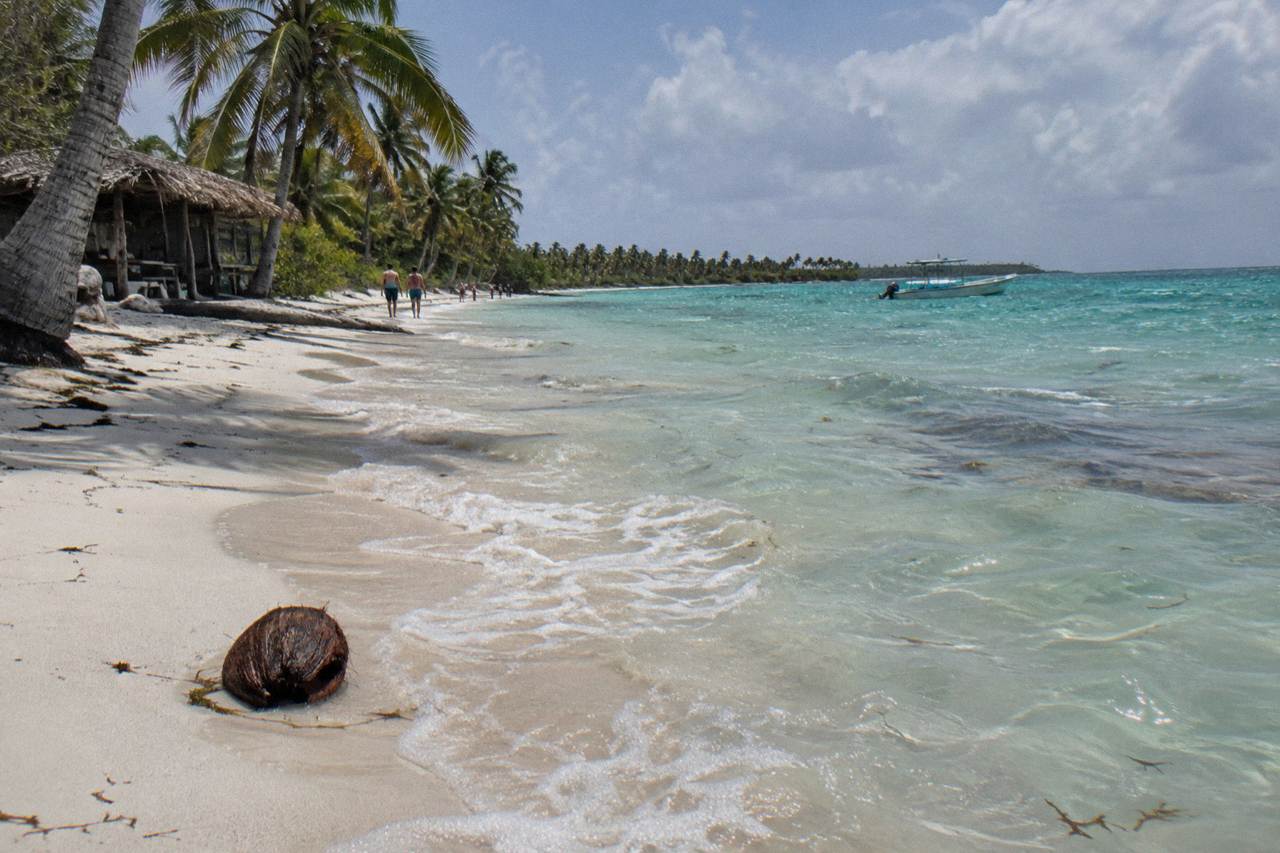
Yes, swimming in the Dominican Republic's sea is safe for most people, in most places, most of the year. The country is not one coastline but two: the sheltered Caribbean side around Bayahibe, Saona Island and La Romana, and the open Atlantic side at Punta Cana and Bavaro. The Caribbean side is generally calmer and clearer; the Atlantic side carries stronger surf, waves and currents that deserve more respect. Choosing the right beach for your ability, and swimming on a lifeguarded or tour-supervised stretch, removes most of the risk. If you're leaning toward the calmer Caribbean side, this guide to why Saona Island is so famous explains why its sheltered beaches draw the biggest crowds on that coast.
Yes, for the great majority of swimmers, and the deciding factor is which coast you choose rather than the country as a whole. The Caribbean shore south and west of La Romana, including Bayahibe, Dominicus and the beaches of Saona Island inside Parque Nacional Cotubanamá, sits behind reefs and headlands that knock down the swell. The Atlantic-facing beaches of Punta Cana and Bavaro take open-ocean waves, and conditions there change day to day. If Saona Island's calm, reef-protected water is calling you, a closer look at the filming claims separates what actually happened from what tour guides like to claim.
That two-coast geography is the single most useful thing to understand before you pack a swimsuit. The southeast corner of the Dominican Republic, where almost all resort tourism concentrates, puts both options within about an hour of each other by road. Drive time from Punta Cana airport to the Bayahibe pier, where every Saona boat departs, runs about 58 minutes on free-flowing roads. Uvero Alto, the northernmost stretch of the hotel zone, is roughly 82 minutes from the same pier, while Dominicus hotels sit just 6 minutes away.
The practical split looks like this:
| Water type | Where you find it | Typical character | Best for |
|---|---|---|---|
| Caribbean sheltered bays | Bayahibe, Dominicus, Saona Island beaches | Flatter, clearer, shallower further out | Families, weaker swimmers, snorkeling |
| Sandbar natural pools | Palmilla / Piscina Natural off Saona | Waist-deep water standing on sand | Non-swimmers, kids, wading |
| Atlantic resort beaches | Punta Cana, Bavaro, Uvero Alto | Waves, stronger surf, wind-driven currents | Confident swimmers, bodyboarding |
| Open crossing water | Boat routes between Bayahibe and Saona | Variable, sea-state dependent | Swim only where the crew directs |
Swim-safety questions come up most often from travelers booked into Punta Cana resorts who have heard mixed things about the water there. The honest answer is that the Atlantic side is swimmable on many days, especially in the dry season from December to April when seas tend to be calmer, and demanding on others. Flags, surf and common sense apply exactly as they would on any Atlantic beach.
The Caribbean side is where swim-safety askers usually end up, and for good reason. The protected waters around Saona Island are the calmest widely accessible swimming in the southeast, which is why the island anchors the region's biggest day-trip category. Three of the most practical options cover the spread of departure points and formats:
Which Beaches Have The Calmest Water?
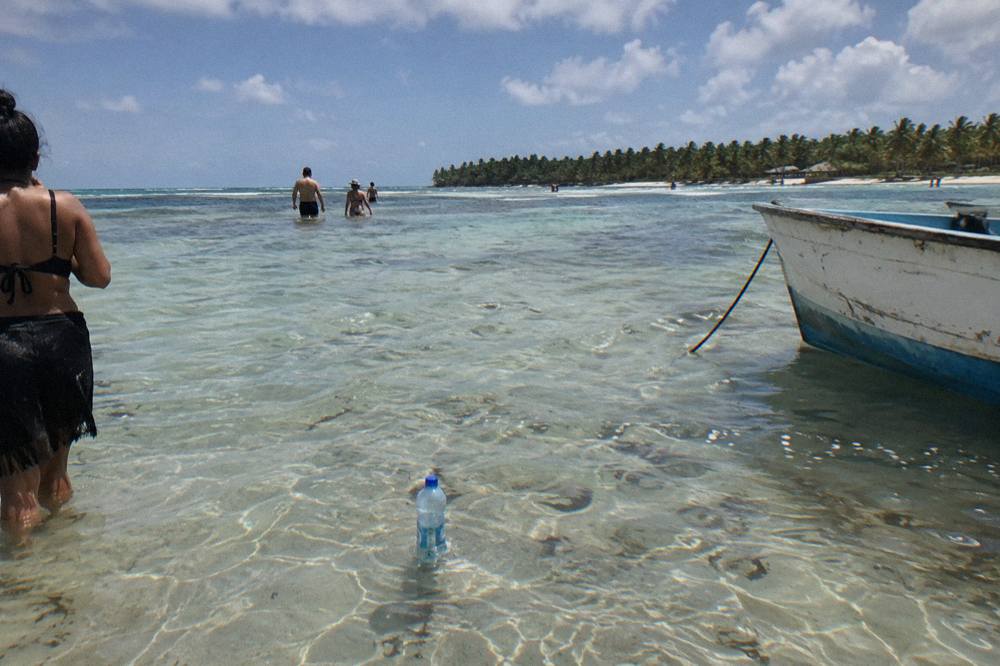
The calmest widely accessible swimming water in the Dominican Republic's southeast is the Caribbean side: Bayahibe's bay, Dominicus beach, and the Saona Island beaches inside Parque Nacional Cotubanamá, plus the waist-deep natural pool sandbars offshore. Reef and headland protection, not distance from shore, is what flattens the water, so sheltered bays can be mirror-calm on the same afternoon the Atlantic beaches carry waist-high surf. Since calm, shallow water is the whole point of a Saona day, the Saona Island packing guide covers the reef-safe sunscreen rules, footwear for wet landings, and dry bag basics that make swimming there easier.
Bayahibe deserves particular attention from nervous swimmers because it combines shelter with easy access. A new visitor parking facility with sidewalks, drainage, signage and a pedestrian bridge was inaugurated at Playa Bayahibe in December 2025, an investment of roughly RD$213 million, aimed at easing congestion around the Saona embarkation points. The working dock there sends every Saona tour boat out, usually starting between 6:30 and 8:00 in the morning when hotel pickups begin.
Saona itself offers two very different swim settings. The main beaches, such as Canto de la Playa and the stretch serving tour groups, shelve gently into calm Caribbean water. The natural pool, called Palmilla or Piscina Natural, is a sandbar in open sea where the water stays roughly waist deep: you stand on sand in the middle of the ocean. Tours usually spend 30 to 45 minutes there, and it is the single best swim stop in the region for people who cannot swim confidently, because no swimming is actually required.
The crossing out is a different matter. Boats usually take 20 to 60 minutes by speedboat and 1 to 2 hours by catamaran from Bayahibe to Saona, depending on sea state and operator. Many mixed itineraries run speedboat out and catamaran back, or the reverse. None of that involves swimming, but sea state on the crossing is a fair proxy for how sheltered the far side is.
If calm water is the whole point of your day, the excursion that departs straight from Bayahibe skips the longest road transfer and puts you on the flattest water fastest:
That advantage is real but conditional. Operators report conditions, they do not promise them, and the sea varies by day in sheltered bays too. The right question to ask any operator before booking is where the boat lands and whether the natural pool stop is included that day, because itineraries change with conditions.
How Rough Can The Atlantic Side Get?
Rough enough that beaches sometimes close, and on Punta Cana and Bavaro's Atlantic shore the danger comes as much from currents as from waves. Rip currents form when swell pushes water toward the beach and it escapes back out through narrow channels, and they are the standard hazard on any open-Atlantic beach. Expect the calmest, most settled seas from December to April and more changeable conditions from May to November.
Resort beaches in Punta Cana and Bavaro are managed, which helps enormously. Lifeguard presence, flag systems and marked swim zones vary by property, so treat any flag or rope you see as meaningful rather than decorative. A red flag on an Atlantic beach means what it says everywhere in the world: stay out of the water. If there is no flag and no supervision, judge the surf honestly and swim parallel to shore rather than out.
A few habits cover most Atlantic-side risk:
| Signal | What it usually means | What to do |
|---|---|---|
| Red flag | Unsafe swim conditions | Stay out of the water entirely |
| Yellow flag | Moderate surf or current | Swim only in marked zones, close to shore |
| Green flag | Settled conditions | Normal caution still applies |
| No flag, no guard | Unmanaged beach | Assume nothing; check locally |
| Channel of flatter water between breaking waves | Possible rip current exiting | Do not swim there |
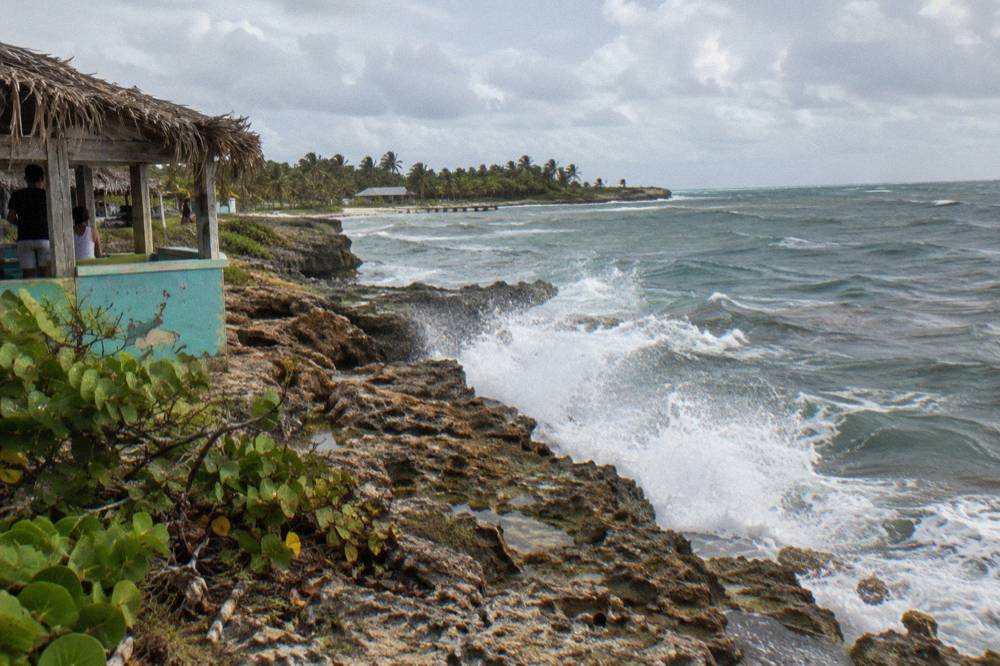
Seasonal context matters when you book. The Atlantic hurricane season runs June 1 to November 30, with peak activity typically mid-August to mid-October. That does not mean the coast is dangerous all season; it means sea state is less predictable, and a day of trade-wind chop can follow a perfectly flat one. December through April is the window most guides recommend for the most consistently calm seas, and it is also peak season for crowds and prices. May, June and November are the usual compromise months.
One regional note worth knowing: 2026 has been a heavy sargassum year in the Caribbean overall, with near-record floating weed totals in the first half of the year. Fall and winter monitoring bulletins indicate declining abundance and lighter beaching expected through November onward, which supports a calmer, cleaner picture for a dry-season trip. More on sargassum below, because it is a comfort and clarity issue far more than a safety one.
What About Currents, Flags And Lifeguards?
The rules that keep you safe in Dominican waters are the same ones that work everywhere: swim where there is supervision or a flag system, never swim after dark or alone, respect small-craft advisories, and if caught in a current do not fight it toward shore but swim parallel until you exit the channel. Managed resort beaches and tour-supervised stops are supervised precisely because open water always deserves respect.
Tour beaches add a layer of supervision that independent beaches lack. On a Saona day trip, crews run the swim stops: they choose the landing beach, time the natural pool stop, and tell you where to get in and out. That is a genuine safety advantage over walking onto an unfamiliar beach alone, and it is part of what you are buying with an organized trip. Follow the crew's instructions on where to swim; they know that day's conditions.
Weather advisories are published by the Dominican authorities, and the national emergency operations center issues alert levels by province when heavy rain or rough seas are expected. Small-craft precautions are routine when a weather trough passes. A quick check of current alerts on the morning of your trip, plus a question to the operator, covers what no article can: today's actual sea.
Alcohol and swimming deserve a plain word, because all-inclusive formats put both in the same day. Open bar on the boat and a swim stop an hour later is a normal Saona rhythm; drinking heavily and then swimming in open water is not. Pace yourself, hydrate, and keep the heavy session for after the last swim. The same logic applies to the boat itself: hold on during crossings, stay seated when the crew says so, and keep life jackets on children for the whole crossing.
Is The Water Clean Enough To Swim?
Yes, and clarity on the Caribbean side is often exceptional, with the main variable being sargassum weed rather than pollution. Sargassum is a floating brown seaweed that arrives in windrows on Atlantic-facing beaches in some seasons; it varies by day and by coast, and no operator or guide can honestly promise its absence. Saona's south and west beaches are often clearer than the east coast precisely often clearer, but this varies from day to day.
What sargassum is not, is a health hazard in the way people sometimes fear. It is a natural seaweed, unpleasant to walk through and smelly when it piles and decays, but it does not sting and it is not sewage. Some bathers get skin irritation from tiny organisms living in the weed, so rinse off after swimming near it, and avoid swimming through thick, decomposing mats. The practical move is to ask where the weed is that day: east-facing beaches accumulate it, sheltered Caribbean bays often have little or none.
The Dominican government and its tourism ministry publish entry and general travel information, and the official Go Dominican Republic travel resource covers practical visitor questions. For water conditions specifically, operators on the water every day are the fastest reliable source, faster than any published report.
The clearest water of all is the natural pool, and that is a function of physics: waist-deep over white sand, with nothing to stir it but wind. Snorkeling from Saona beaches is limited rather than spectacular, and travelers chasing serious underwater life usually look at the Bayahibe dive scene instead, which our Bayahibe snorkeling and diving guide covers in detail. For pure swimming, though, shallow and clear beats deep and fishy.
Do You Need To Worry About Marine Life?
Almost nothing in Dominican waters harms swimmers, and the protections run the other way: the rules inside Parque Nacional Cotubanamá protect marine life from you. Do not touch or remove starfish, shells, coral or sand, single-use plastic and foam are banned in the park, and the starfish at the natural pool are the reason those rules are enforced. Jellyfish, urchins and the odd coral scratch account for nearly all genuine, minor incidents.
The starfish rule deserves emphasis because it is the one visitors most often stumble over. The natural pool is famous for starfish, and Dominican law, as cited by the Ministry of Environment under Ley 64-00, prohibits removing them from the water or the beach. Holding one out of the water for a photo is exactly what the rule exists to stop. Look, point, photograph from above the surface, and leave them where they are.
Jellyfish appear occasionally, as they do in every Caribbean sea, and stings are typically mild and treated with vinegar or hot water. Urchins hide in reef and rock; water shoes or simply watching where you put your feet handles them. Stingrays shuffle out of your way if you do the famous stingray shuffle in sandy shallows. None of these are reasons to skip swimming; they are reasons to look where you swim, which is good practice anywhere.
For context on how swimmers actually experience the water day to day, our piece What Is Special About Saona Island goes deeper on the natural pool and the protected coastline, and the question Is Saona Island Worth It weighs the whole day against the effort of getting there.
Practical Water Safety On A Saona Day Trip
A Saona day trip is one of the safest ways to swim in Dominican waters, because every swim happens at crew-selected stops in sheltered water, with a boat, a crew and dozens of fellow guests nearby. The hazards that remain are ordinary ones: sun, dehydration, sea state on the crossing, and footing on boat ladders and wet sand. Handle those and the swimming itself takes care of you.
Sun is the biggest real risk of the day, and the ban on single-use plastic in the park means you should bring a refillable bottle. Reef-safe sunscreen is recommended for the park, so pack it before you leave home rather than counting on the pier shop. Reapply after the natural pool stop, because waist-deep water reflects sun onto every surface you own, including the parts the swimsuit misses.
A typical day runs 6 to 12 hours door to door depending on the listing, with pickups usually starting 6:30 to 8:00 in the morning from hotel zones. Standard formats include a speedboat or catamaran crossing, a natural pool stop, beach time, and a Dominican-style buffet lunch with drinks; exactly what is included varies by listing, so read the inclusions and exclusions before booking rather than assuming. Group catamaran day trips across the current roster run from about US$63 to 116 per person, small group and VIP speedboat trips from US$75 to 169, with the median per-person price across the roster at about US$100.
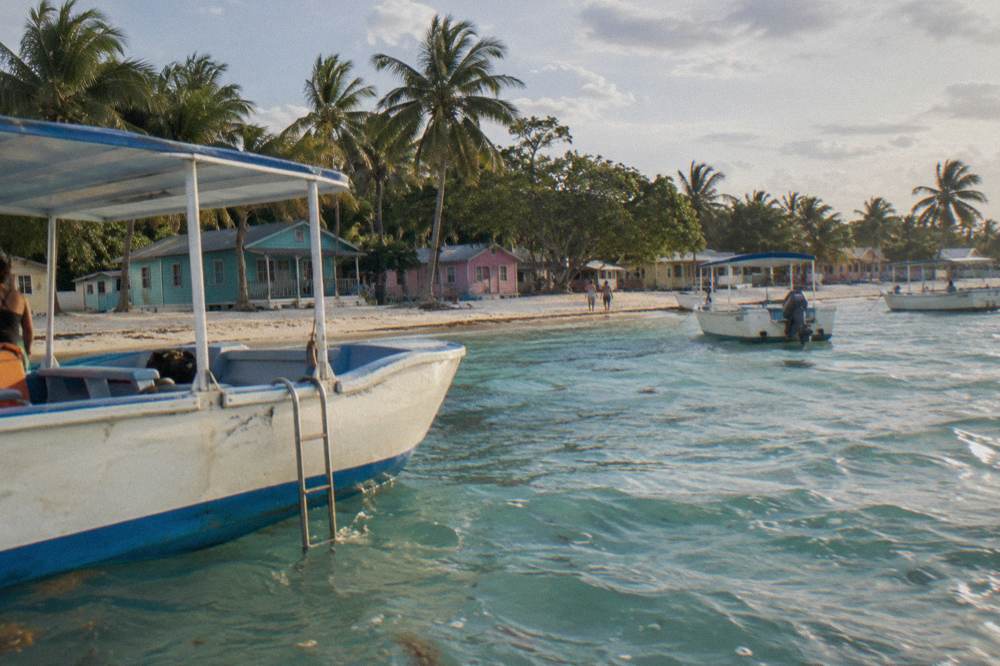
If you would rather keep the day simple and let the operator handle the road transfer from Punta Cana, the boat, the lunch and the swim stops in one booking, a Punta Cana departure format does all of it:
One dated, neutral piece of context belongs in any honest safety discussion. On 27 July 2026, an explosion and fire hit a tourist boat returning from a Saona excursion off Bayahibe, injuring 23 people, with no deaths reported, according to Listin Diario and other Dominican outlets. No operator listed on this site has been connected to that incident. Boat travel anywhere carries some risk; licensed tour boats with crew, life jackets and set routes remain the standard, supervised way to reach the island, and booking through a listed operator with a live listing and a cancellation policy is the safer version of it.
For the full picture of what the day involves before you commit, the Saona Island day trip guide breaks down each stop, and What To Bring And Wear To Saona Island covers the packing list, sun protection and footwear questions that swim-safety askers usually have next. This site, Saona Island Dominican Republic Tours, keeps the full roster of verified day trips with live availability.
The short version, one last time: the Caribbean side is calm, the Atlantic side demands respect, the natural pool is the friendliest swim in the country, and supervised beats solo.
Common Questions About Swimming In The Sea In The Dominican Republic
Is It Safe To Swim In The Sea In The Dominican Republic?
Yes, for most swimmers, in the right places. The Caribbean coast around Bayahibe, Dominicus and Saona Island is sheltered and typically calm; the Atlantic beaches of Punta Cana and Bavaro carry waves and currents that demand more caution. Swim at supervised or tour-supervised spots, respect flags, and the risk stays low.
Which Side Of The Dominican Republic Has The Calmest Water For Swimming?
The Caribbean side, south of La Romana, including Bayahibe, Dominicus and Saona Island inside Parque Nacional Cotubanamá. Reef and headland protection flattens the swell, and the natural pool off Saona offers waist-deep water where you stand on sand in open sea.
Are There Sharks Or Dangerous Animals In Dominican Waters?
Harmful encounters are extremely rare. The realistic irritants are jellyfish, sea urchins and coral scrapes, all minor and all avoidable by looking where you swim. The main rules in the park protect marine life from visitors: do not touch or remove starfish, shells, coral or sand.
Is It Safe To Swim At Punta Cana Beaches?
On many days, yes, especially in the dry season from December to April when seas tend to settle. Punta Cana and Bavaro face the open Atlantic, so surf and rip currents vary daily. Swim in marked zones, obey the flag system, and never swim unsupervised when a red flag is up.
Can Non-Swimmers Enjoy A Saona Island Trip?
Yes. The natural pool stop is a sandbar where the water stays roughly waist deep, so you stand rather than swim, and tours usually spend 30 to 45 minutes there. Beach landings shelve gently. Crews supervise the stops and direct where guests get in and out of the water.
Does Sargassum Make Swimming Unsafe?
Sargassum is a natural seaweed, not pollution, and it does not sting. It varies by day and by coast, and no one can promise its absence. Saona's south and west beaches are often clearer than the east coast. Rinse off after swimming near weed, and ask your operator about conditions that day.
Before you go, the pick for this guide:
Buffet Lunch Catamaran Day
★ 4.4 · 4,780 reviews · From $71.20
Check availability →