Is Catalina Or Saona Island Better?
A direct verdict on Saona versus Catalina Island: prices, boat rides, beaches, snorkeling and which island fits which traveler.
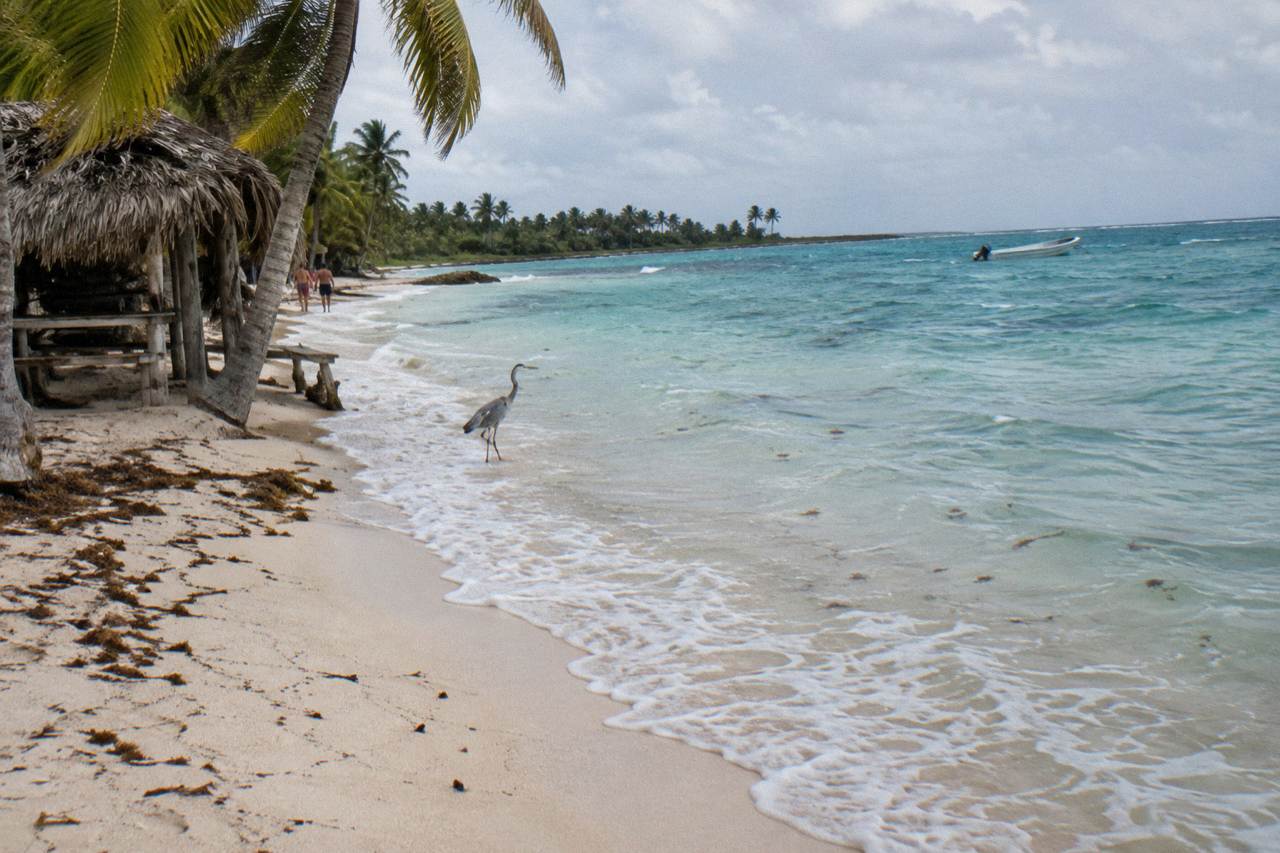
Southeastern Dominican Republic serves two famous protected islands within a short boat ride of each other: Saona, inside Parque Nacional Cotubanama, and Catalina, a separate Monumento Natural just off La Romana. Both sell postcard beaches, buffet lunches and rum punches. They are not interchangeable, and the honest answer depends on what kind of day you want, where you are staying, and how much boat time you enjoy. The comparison below sticks to verified prices, drive times and roster facts, and it flags every point where the right move is simply to check the listing. If Catalina sounds like the better fit for your day, the quick guide to Catalina Island walks through access from La Romana and Bayahibe, what tours typically include, and the park rules that matter.
For most travelers the answer is Saona. It is the bigger, better-served island, with all 40 day-trip listings on this roster bound for Saona, per-person prices from roughly US$63 to 169, the natural pool stop at Palmilla, and long white-sand beaches. Catalina is the better pick for serious snorkelers, for cruise passengers docking at La Romana, and for anyone who prefers a smaller, quieter island with a reef close to shore.
Saona is the headline act. It sits inside Parque Nacional Cotubanamá, the protected area run by the Ministry of Environment, and its beaches, Canto de la Playa among them, run in a broad strip of pale sand along calm, shallow water. The day-trip infrastructure reflects that: group catamaran trips, small-group VIP speedboat runs, private charters and cruise-oriented departures all land there. Prices across the verified per-person listings run from US$63 for the cheapest group catamaran day to US$169 at the top of the small-group and VIP speedboat band, with a median from-price of about US$100.
Catalina is the quieter alternative. It is a separate protected area, Monumento Natural Isla Catalina, and it lives largely off La Romana cruise traffic. Its signature draw is the reef: snorkeling off Catalina is widely considered stronger than the snorkel stops on a standard Saona day, because the reef sits close to shore in shallow, clear water. The island itself is smaller and the beach day is more contained.
That contrast is the whole decision. If the trip is about a big beach-and-boat spectacle, Saona is the answer. If the trip is about fish, coral and a shorter, calmer logistics chain from La Romana, Catalina earns its place. The sections below compare the two islands on the things that actually change the day: price, the shape of the itinerary, getting there, the water, and the traveler each island suits.
The wider comparison, including where to stay to reach either island, is covered in the dedicated Saona versus Catalina comparison guide, which goes deeper on hotels and timing than a single verdict article can.
How Do The Two Islands Compare On Price?
Saona day trips span from about US$63 per person for a group catamaran departure to US$169 for a top-tier small-group or VIP speedboat day, with private boat charters priced per group at roughly US$820 to 1,490. Catalina excursions are sold mainly as cruise-ship shore excursions, so their price sits in whatever the ship or operator's listing charges that day; there is no verified independent price band to print.
The Saona numbers are solid because they come from the verified 40-listing roster. Group catamaran day trips run US$63 to 116 per person across 16 listings. Small-group and VIP speedboat trips run US$75 to 169 across 16. Three Santo Domingo departures run US$87.90 to 130. Three private boat products are priced per group, from US$820 up to about US$1,490, which changes the per-head math completely for a family of six.
Catalina pricing is a different animal. The island's excursion traffic is dominated by cruise-ship shore excursion desks and a handful of La Romana operators, and the verified facts for this site contain no independent Catalina price band. Where a Catalina option appears on a booking page, the honest instruction is to read the listing: inclusions, drinks and equipment rental vary, and a headline price that excludes gear can double at the dock.
Both islands sit inside protected areas, and both charge entry. Direct price comparisons with Catalina run into limits here: there is no published official price list from the Ministry of Environment. The entry fee for a foreign adult to the Saona park is roughly US$10 to 12 according to independent visitor guides; the Ministry's own visitation page describes wristband payment at the site but lists no amounts, so confirm with your operator. No separate fee was found for Catalina. Many Saona tours bundle the park fee, 11 of the 40 roster listings say so explicitly, and the other 29 are silent, so the checklist question before booking either island is simply: does the price include entry?
| Cost line | Saona (tours listed here) | Catalina |
|---|---|---|
| Group day trip, per person | US$63 to 116 (16 listings) | Sold mainly as cruise excursions; check the listing |
| Small group or VIP, per person | US$75 to 169 (16 listings) | Limited independent options; check the listing |
| Private boat, per group | US$820 to 1,490 (3 listings) | Not priced per person |
| Protected-area entry | Roughly US$10 to 12 per foreign adult, often bundled | No separate verified fee found |
| Typical extras | Tips and souvenirs; a few dollars in cash | Tips and gear; a few dollars in cash |
One more money note that applies to both islands: tips are not included in tour prices. A common recommendation for a full-day boat trip is US$10 to 20 per person for guide and crew, in small bills, which is worth budgeting on top of whatever the listing charges. Children are often charged at a reduced rate on family-oriented Saona departures, but the exact discount varies by operator and age bracket, so the listing, not this article, is the place to confirm it before you commit.
What Does Each Island Day Actually Look Like?
A standard Saona day runs about 6 to 12 hours door to door: road transfer to Bayahibe, a speedboat out of usually 20 to 60 minutes, a 30 to 45 minute stop at the natural pool, then beach time and a buffet lunch before a catamaran ride back. A Catalina day is shorter and simpler: a brief boat from La Romana, snorkeling over the nearshore reef, lunch on the beach, and back.
The Saona itinerary is the fuller production. Every Saona boat leaves from the Bayahibe and Dominicus pier area; there are no boat departures from Punta Cana or Bavaro beaches, so hotel guests ride a transfer first. Pickups usually begin between 6:30 and 8:00 AM depending on the hotel zone. Once on the water, the classic mix is speedboat out and catamaran back, with the catamaran leg running 1 to 2 hours depending on sea and operator. Not every tour includes every stop, and the exact sequence varies, but the skeleton is consistent across the roster.
The natural pool is the signature. The Piscina Natural at Palmilla is a waist-deep sandbar in the middle of the sea, and tours typically give it 30 to 45 minutes. Park rules apply to it directly: do not remove starfish, shells, coral or sand, and single-use plastic and foam are banned in the park under the Ministry resolution signed at Mano Juan. Holding a starfish for a photo is not a gray area; it is against the rules the guide will repeat on the boat.
The Catalina day compresses all of that. The island lies just off La Romana, so the boat ride is short, the reef snorkel comes early, and the beach barbecue or buffet fills the middle of the day. For cruise passengers, that compactness is the point: the day fits inside a port call with margin. The trade-off is scale. Catalina does not have Saona's natural pool moment, and its beaches, while genuinely pretty, do not stretch the way Saona's do.
Lunch quality is a fair tiebreaker question, and the honest answer is that it is roughly comparable on both islands: a Dominican-style buffet, grilled chicken or fish, rice, salads and fruit, with an open bar of rum drinks, beer and soft drinks on most organized days. Saona's larger beach kitchens feed bigger crowds at set seatings; Catalina's setups are smaller and often run at a gentler pace. Neither island is a food destination, and travelers booking around cuisine are aiming at the wrong target.
Which shape suits you is a question of stamina and appetite. Families with young children and travelers who love a long, slow catamaran afternoon tend to prefer the Saona rhythm. Travelers who want maximum water time per minute of logistics, particularly snorkelers, tend to prefer Catalina. The detailed hour-by-hour breakdown for the Saona version lives in the Saona Island itinerary guide.
How Do You Get To Saona Versus Catalina?
Saona is reached by boat from the Bayahibe pier only, with road transfers first from Punta Cana, about 58 minutes from the airport by the fastest route, or from Bavaro at about 59 minutes. Catalina is reached by boat from La Romana, whose cruise port sits roughly 24 minutes by road from the Bayahibe pier area, so Catalina's logistics chain is shorter for La Romana-based or cruise visitors.
The geography decides a lot. Punta Cana and Bavaro hotel guests heading to Saona face a road leg on the Autopista del Coral before any boat: computed drive times to the Bayahibe pier run about 58 minutes from Punta Cana airport (69.7 km), 59 minutes from the Bavaro hotel zone, and up to about 82 minutes from Uvero Alto. From La Romana itself the drive is about 24 minutes, and from Dominicus a mere 6 minutes. Santo Domingo guests face about 113 minutes on the road, which is why only three roster listings depart from there.
Catalina's access is anchored at La Romana, and La Romana is having a moment. The Dominican Port Authority announced in late September 2026 that remodeling and upgrades to the Port of La Romana would begin in October 2026, and MSC Cruises begins year-round weekly sailings from the port on November 16, 2026, a program projected to add roughly 120,000 visitors a year to the area. MSC is also developing Catalina Sugar Beach, a premium beach destination on the island, with opening targeted for November 2026. None of this changes Saona access, but it will put more cruise passengers within a short hop of Catalina, and crowd levels on both islands respond to that kind of capacity.
There is no public ferry to Saona, and independent access is effectively limited to organized tour boats plus informal local lanchas from the Bayahibe working dock to Mano Juan village, negotiated on the spot in Spanish with a pre-agreed return time. Those lanchas are not equivalent to a full excursion and they do not include the park entry wristband. For Catalina, independent access is even less of a realistic path: the island lives on excursion and cruise traffic. Either way, a booked tour is the practical answer, and the getting-there details, including transfer costs, are laid out in how to get to Saona Island.
Weather adds a seasonal wrinkle worth naming here. The dry season from December to April is the most consistently recommended window for either island, with calmer seas and lower rain risk, while September and October sit at the wetter end of the 30-year averages. Short, intense showers are normal in the wet season rather than day-ruining, but rough-sea cancellations happen, and operators generally refund fully when they cancel a departure. Booking with a day of slack in your itinerary is cheap insurance on either island.
Snorkeling And Beaches: Which Island Delivers More?
Saona wins the beach contest outright: its south-coast stretches, Canto de la Playa and the main beach, are longer, wider and more photographed. Catalina wins the snorkeling contest: its reef sits close to shore in shallow water, while the standard Saona day gives the natural pool sandbar and limited, stop-dependent snorkel time.
Beach first. Saona's sand is the reason the island is famous, and it is the reason every trip listed here goes there. The main beach and Canto de la Playa offer long walks, palms and the classic shallow-turquoise postcard. The natural pool adds a second, stranger beach experience, standing in the middle of the sea on a sandbar. The honest caveat is sargassum: it varies by day, and Saona's south and west beaches are often clearer than the east coast resort strips but not always. No operator can promise a weed-free beach, so ask before you book.
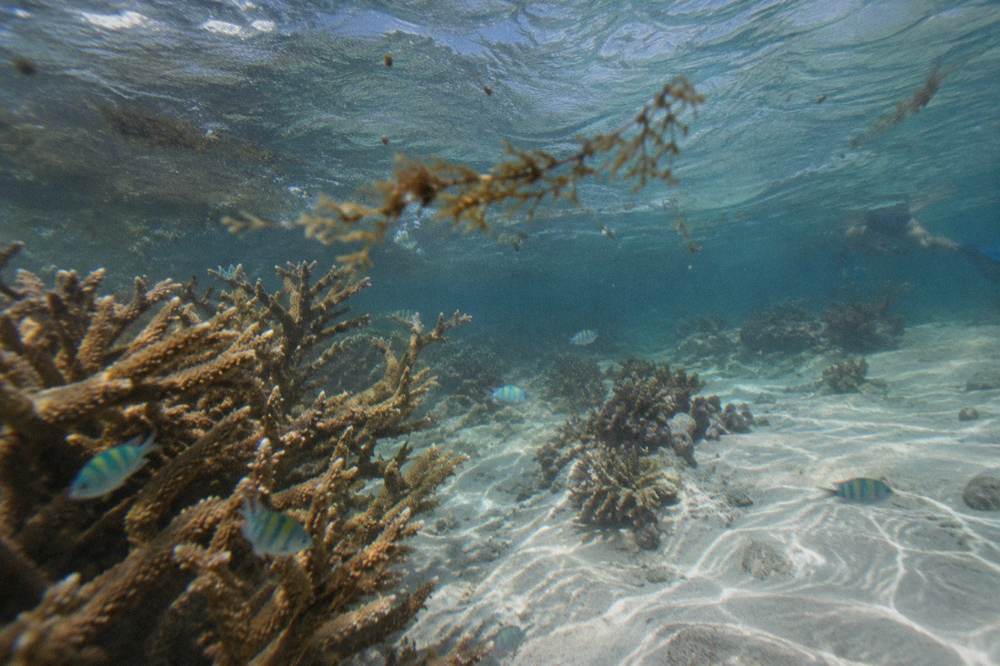
Snorkeling flips the verdict. Catalina's nearshore reef is the island's core product, and the drop-off known as The Wall is a recognized dive and snorkel site. On a standard Saona day, snorkeling is usually a short stop or an optional add-on rather than the centerpiece, and the water clarity at any given spot depends on the day. Travelers whose whole day is built around fish and coral should weigh Catalina, or a Saona listing that explicitly names a snorkel focus, and read the inclusions on the live listing before paying. The marine rules are identical in spirit: nothing gets touched, taken or stood on, and reef-safe sunscreen is the standard in protected waters.
Gear is a practical difference too. Cruise-oriented Catalina excursions frequently rent or include fins and masks as part of the shore-excursion package, while Saona listings vary widely: some carry basic masks on the boat, others expect you to bring your own. If a mask and fins matter to your day, that single line in the inclusions list can settle the Saona-versus-Catalina question before price even enters the conversation.
For visitors combining snorkeling ambitions with a Saona base, the Bayahibe snorkeling and diving guide covers the mainland reef options that compete directly with Catalina without the island hop.
Which Island Suits Which Traveler?
Choose Saona for a first visit, for families, for photographers and for anyone based in Punta Cana or Bavaro who wants the biggest island day on offer. Choose Catalina if you are a cruise passenger at La Romana, a keen snorkeler, or a repeat visitor to the region who has already done the Saona production and wants something smaller and quieter.
The traveler-by-traveler logic is straightforward. A family with children does well on a Saona group catamaran day in the US$63 to 116 band: the natural pool is shallow and safe-feeling, the beach is big enough to absorb crowds, and the buffet removes decisions. A couple celebrating something does well on a VIP speedboat day toward the top of the US$75 to 169 band, where smaller groups and faster boats reshape the experience. A group of six or more should price a private charter, since US$820 to 1,490 per group can undercut per-person tickets once headcount rises.
Cruise passengers get the cleanest split of all. If your ship calls at La Romana and your port day is short, Catalina's brief boat ride is the lower-risk choice, and the port's cruise expansion through late 2026 is built around exactly that excursion. If your port day is long enough for a full island production, a Saona VIP run designed for cruise timings, such as the Saona Crusoe VIP departure aimed at cruise passengers, bridges the two worlds: it leaves from the La Romana side, keeps the group small, and still delivers the island and the natural pool. That style of listing is the one category where the Catalina-versus-Saona question genuinely dissolves.
Repeat visitors should also consider skipping the either/or. Several operators run combined or sequential experiences, and Bayahibe itself has grown into a base worth a night, with new smaller hotels opening in the area through 2026. The deeper planning layer for that approach, including where to stay, is in the Saona Island complete guide, and the site's broader coverage at Saona Island Dominican Republic Tours tracks the listings on both sides of this comparison as they change.
The Ministry's own visitation guidance for the park, including the wristband payment system and the overnight-booking contact, is on the Ministry of Environment visitation page, worth a look for anyone weighing independent access. For the Catalina side, the MSC La Romana homeport announcement sketches what the island's visitor flow will look like from November 2026 onward.
Common Questions About Saona Versus Catalina
Is Catalina Or Saona Island Better?
Saona is better for most travelers: it has the longer beaches, the natural pool, and all 40 day trips listed on this site, with per-person prices from roughly US$63 to 169. Catalina is better for snorkelers and La Romana cruise passengers who want a shorter, reef-focused day.
Which Is Better, Saona Island Or Catalina Island?
For beaches, photos and a big all-day boat experience, Saona Island is the stronger choice. For close-to-shore reef snorkeling and a compact day from La Romana, Catalina Island wins. Keen snorkelers and short port calls favor Catalina; almost everyone else is better served by Saona.
Is Catalina Cheaper Than Saona?
There is no verified independent price band for Catalina excursions, since most are sold through cruise desks. Saona pricing is well documented: US$63 to 116 per person for group catamaran days and US$75 to 169 for small-group or VIP speedboat trips. Compare like-for-like inclusions on each listing before deciding.
Do Both Islands Charge A Park Entry Fee?
Both are protected areas. Saona sits inside Parque Nacional Cotubanama, where foreign adults pay roughly US$10 to 12 according to independent guides, often bundled into the tour price. No separate Catalina fee was verified; the Ministry publishes no official price list for either, so confirm with your operator to avoid paying twice.
Can You Visit Both Islands In One Day?
Not on standard itineraries. Saona alone runs about 6 to 12 hours door to door including the road transfer to Bayahibe and the boat legs. Combined or sequential products exist on a small scale; treat any one-day promise skeptically and read the itinerary on the live listing before booking.