Saona Island Vs Catalina Island: Which Day Trip To Pick
Two protected islands sit off the southeast Dominican coast, and most travelers only have time for one. Here is how Saona and Catalina actually differ on beaches, crowds, cost, crossings and snorkeling, with the verdict for each type of visitor.
Which Island Is Better For A Day Trip From Bayahibe?
Both islands sit off the same stretch of southeast Dominican coast and both are reached by boat, but they are different kinds of day out. Saona is the large island inside Parque Nacional Cotubanama with the starfish natural pool, wide beaches and dozens of daily tours. Catalina is a smaller, separate Monumento Natural with no natural-pool stop, quieter waters and a cruise-excursion identity. If those differences have you torn, our side-by-side verdict on Saona versus Catalina weighs prices, boat rides, beaches and snorkeling to match each island to the right traveler.
The comparison starts with geography. Saona lies southeast of Bayahibe across a protected channel, Catalina sits southwest, closer to the La Romana cruise port. All Saona boats leave from the Bayahibe and Dominicus pier area, while Catalina trips more often connect to La Romana cruise traffic., and that difference shapes everything else: crowd levels, tour style and how the day feels. Saona carries the larger share of independent travelers booking from Punta Cana and Bayahibe hotels; Catalina's traffic leans heavily on cruise passengers.
For most readers of this site the honest answer is Saona, simply because the roster of bookable day trips is far deeper. Forty Saona tours run across group catamaran, small group speedboat, private and cruise-passenger formats, with per-person prices from US$63 to 116 for group catamaran trips and US$75 to 169 for small group and VIP speedboat formats. Catalina has no comparable shelf of bookable listings on this roster, so a like-for-like price comparison is only possible in one direction. The full breakdown lives in the Saona Island complete guide, and the island-by-island detail follows below.
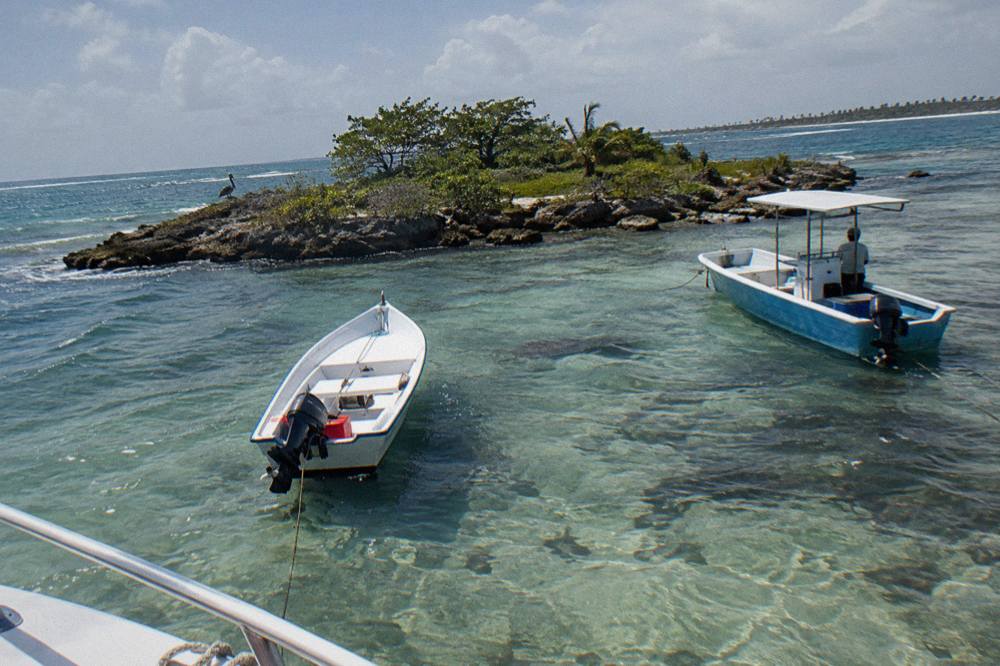
One point that trips people up: Catalina is not part of the same park. It is a separate protected area, Monumento Natural Isla Catalina, under the same Ministry of Environment. No separate entry fee figure for Catalina was found in verified research, so treat any Catalina fee question as something to confirm with your operator rather than a number you can plan around.
| Question | Saona | Catalina |
|---|---|---|
| Protected status | Parque Nacional Cotubanama | Monumento Natural Isla Catalina |
| Typical traveler | Independent and hotel-based day-trippers | Mostly cruise-excursion traffic |
| Signature stop | Natural pool with starfish | Wall and beach snorkeling areas |
| Bookable tour depth | 40 bookable tours | Not on this roster |
| Departure point | Bayahibe and Dominicus piers | La Romana cruise-port area |
How Do The Beaches And Crowds Compare?
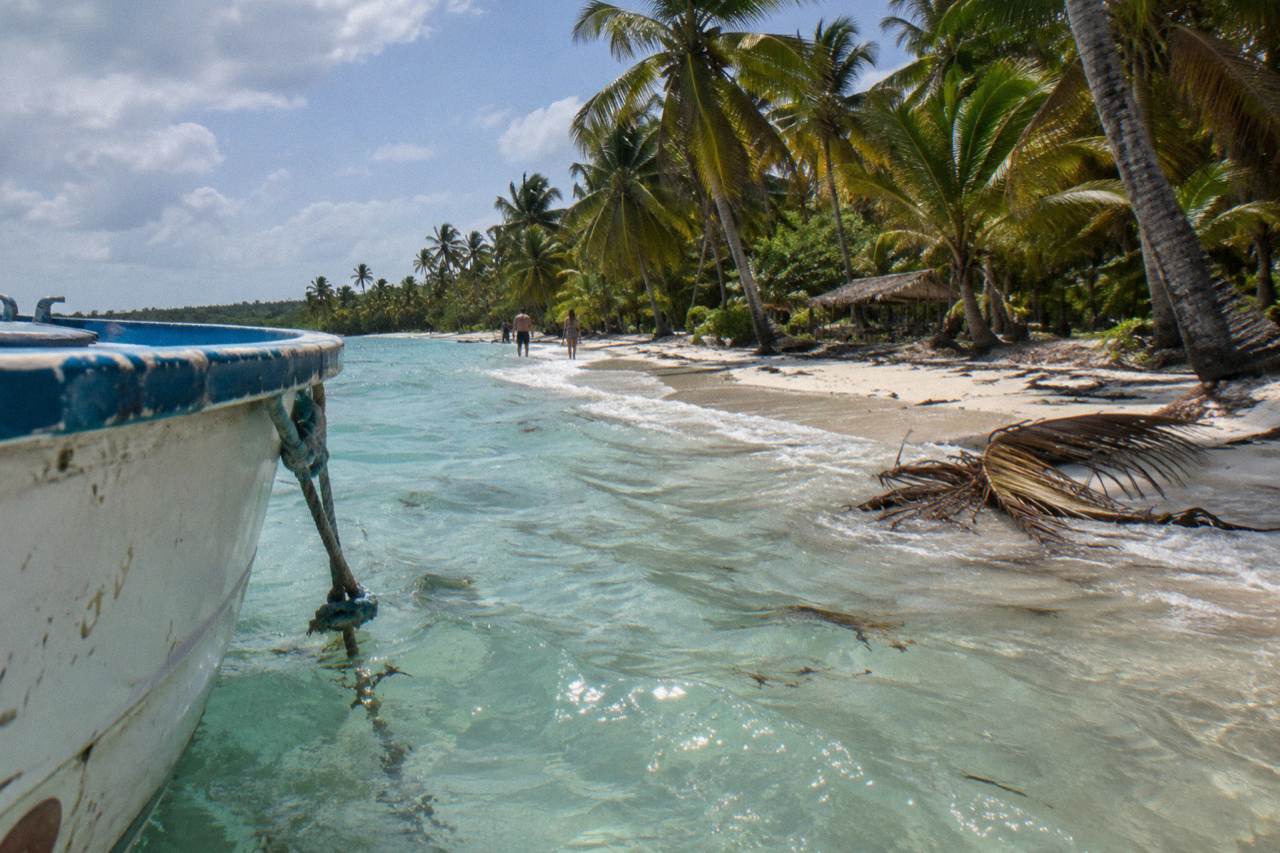
Saona has the longer, wider strands and the postcard sand, but it also draws heavy crowds at peak times and on cruise-ship days. Catalina's beach area is smaller and generally less crowded because its arrivals are tied to ship schedules rather than continuous hotel traffic. Crowds on both islands vary sharply by day and season, and no operator can promise an empty beach.
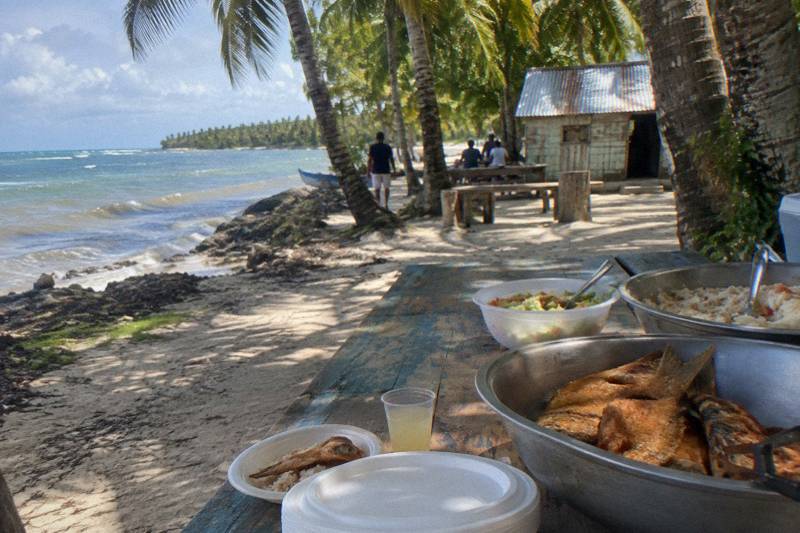
Saona's main landing beaches, Canto de la Playa and the stretch near Mano Juan village, are genuinely wide, with shallow turquoise water and palms set back from the sand. The mixed itineraries most tours run, speedboat out and catamaran back, concentrate arrivals around midday, which is when the main beach feels busiest. The natural pool stop, a shallow sandbar area offshore, is where the famous starfish viewing happens, usually for 30 to 45 minutes per the operator guides in verified research. Not every tour includes every stop, so read the itinerary before booking rather than assuming.
Catalina's beach is compact by comparison. The island is smaller, and verified reporting from 2026 describes a significant change coming: MSC Cruises, with Casa de Campo and CTL Maritime, is developing Catalina Sugar Beach, a premium beach destination with a gastronomic pavilion, palapa bars and loungers, targeted to open in November 2026 alongside MSC's year-round La Romana homeport. Coverage of the project appeared from August through October 2026. What that means for crowds depends entirely on which ships call, and on whether the new beach club routes passengers to a reserved area.
Sargassum deserves a plain sentence here, because it is the most common disappointment. Sargassum varies by day and season. 2026 brought heavy amounts to the Caribbean overall, though Saona and Bayahibe tend to see less than east-facing Punta Cana and Bavaro beaches. Ask your operator about conditions on the day, since crews may shift landing spots. Often, not always. No source supports a claim that either island is weed-free, and operators adjust landing spots day by day, so ask the operator the morning of the trip. The seaweed picture is covered in more depth in what are the worst months for seaweed in Punta Cana.
How Much Does Each Island Trip Cost?
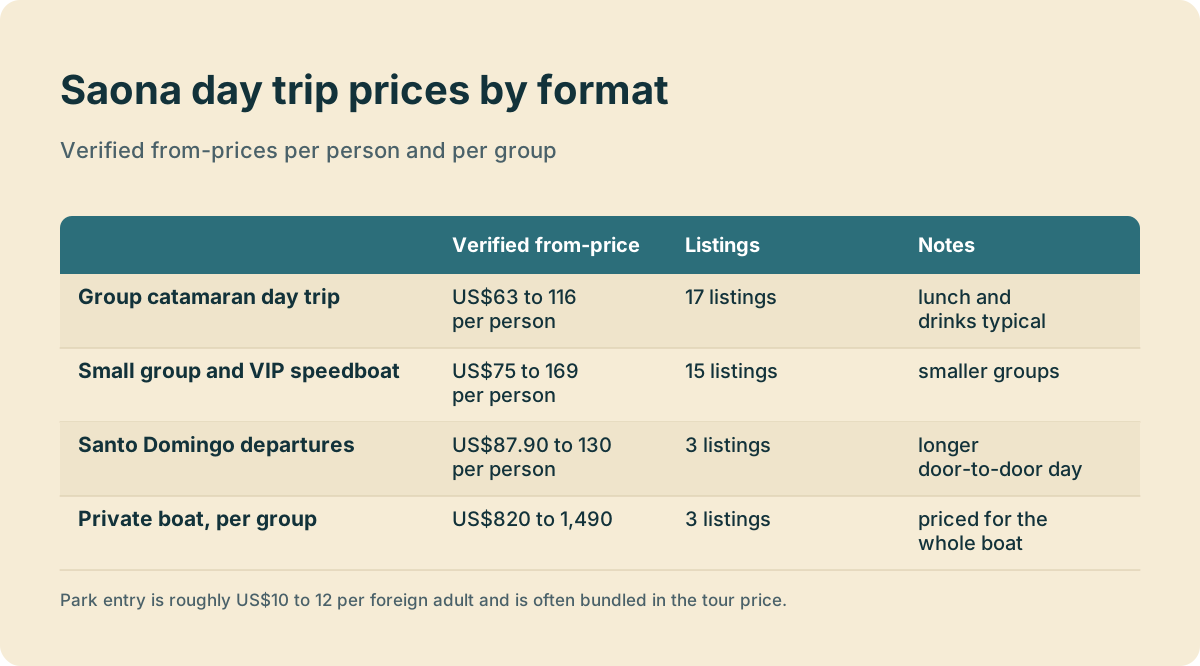
Saona group catamaran day trips cost US$63 to 116 per person across 16 listings, small group and VIP speedboat formats run US$75 to 169 across 16 more, and the median per-person from-price is US$100, with the roughly US$10 to 12 park fee for foreign adults often bundled; no comparable Catalina price set is published here, so confirm Catalina costs directly with the operator or cruise line.
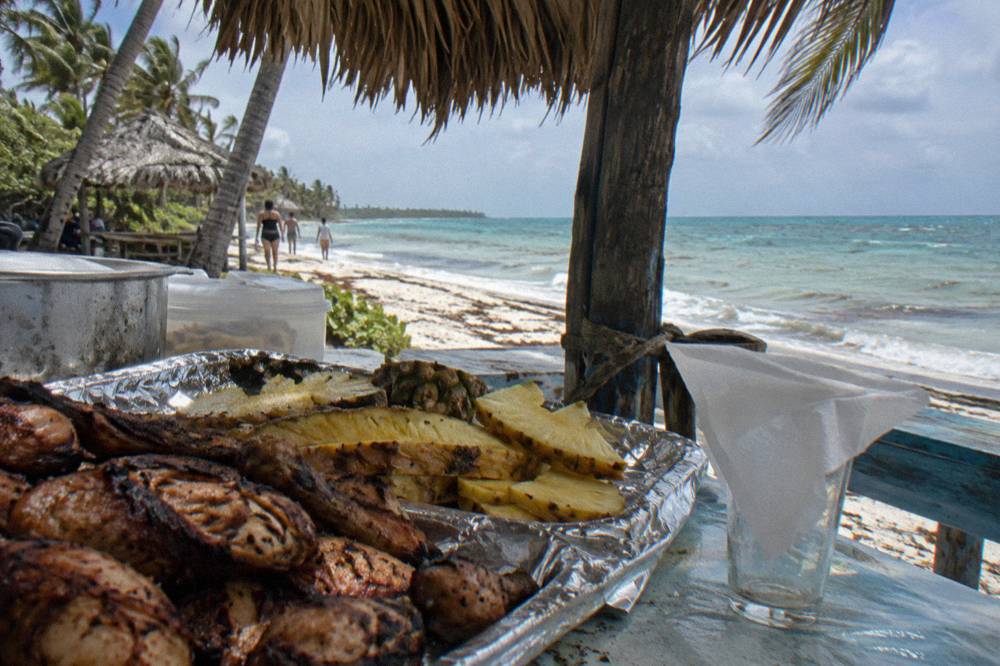
The Saona price floor is real and worth using as a planning anchor. The cheapest group catamaran tours start at US$63 per person with lunch and drinks included, while small group and VIP speedboat options climb to US$169 at the top. Private boats priced per group run US$820 to 1,490 for three roster listings. The Saona Island tour price and what's included guide carries the full inclusion-by-inclusion breakdown, but the short version matters for this comparison: on the roster, only 11 of 40 listings explicitly include national park entry, and the other 29 are silent, so the fee question is worth asking before you pay.
Catalina pricing is where honesty has to beat convenience. Catalina has no published island price list, so no per-person figures can be quoted for it. What verified research does establish is the structural context: MSC begins year-round weekly sailings from La Romana on November 16, 2026, with MSC Opera calling at the new Catalina Sugar Beach on every itinerary, a program projected to add roughly 120,000 visitors annually. Cruise passengers will typically see Catalina sold as a shore excursion priced by the line, not as an open shelf of online listings the way Saona is.
| Saona format | Verified from-price | Notes from the roster |
|---|---|---|
| Group catamaran day trip | US$63 to 116 per person | 16 listings, lunch and drinks typical |
| Small group and VIP speedboat | US$75 to 169 per person | 16 listings, smaller groups |
| Santo Domingo departures | US$87.90 to 130 per person | 3 listings, longer door-to-door day |
| Private boat, per group | US$820 to 1,490 | 3 listings, priced for the whole boat |
The fee that catches people twice is the park entry. The Ministry of Environment publishes no price list; its protected-area visit service page describes payment by wristband at the site but lists no amounts. Independent visitor guides put it at roughly US$10 to 12 per foreign adult, so confirm with your operator whether it is already in your tour price to avoid paying twice.
For readers weighing cost against crowd size, the VIP tier is the honest middle path. The Saona Crusoe VIP trip for cruise passengers from La Romana is the roster's cruise-facing small group option, and you can check availability alongside the full Saona Island private tour guide if a boat to yourselves is in budget.
How Do You Get To Saona Versus Catalina?
All Saona boats leave from the Bayahibe and Dominicus pier area, with road transfer first from Punta Cana and Bavaro hotels, usually a 58 to 59 minute drive from the airport zone. Catalina trips connect to the La Romana cruise-port area, about 24 minutes from La Romana itself. There is no scheduled public ferry to Saona, and Catalina has no independent ferry either.
The drive math comes from computed routing, not marketing. Free-flow driving time to the Bayahibe pier: Punta Cana airport 58 minutes, the Bavaro hotel zone 59 minutes, La Romana 24 minutes, Dominicus 6 minutes, Santo Domingo 113 minutes. Operators quote 60 to 90 minutes from Bavaro once hotel pickups are folded in, and pickups usually start between 6:30 and 8:00 AM. Full-day Saona trips run about 6 to 12 hours door to door across the roster. That is a long day, and the how long is it to Saona Island from Punta Cana post breaks down where the hours go.
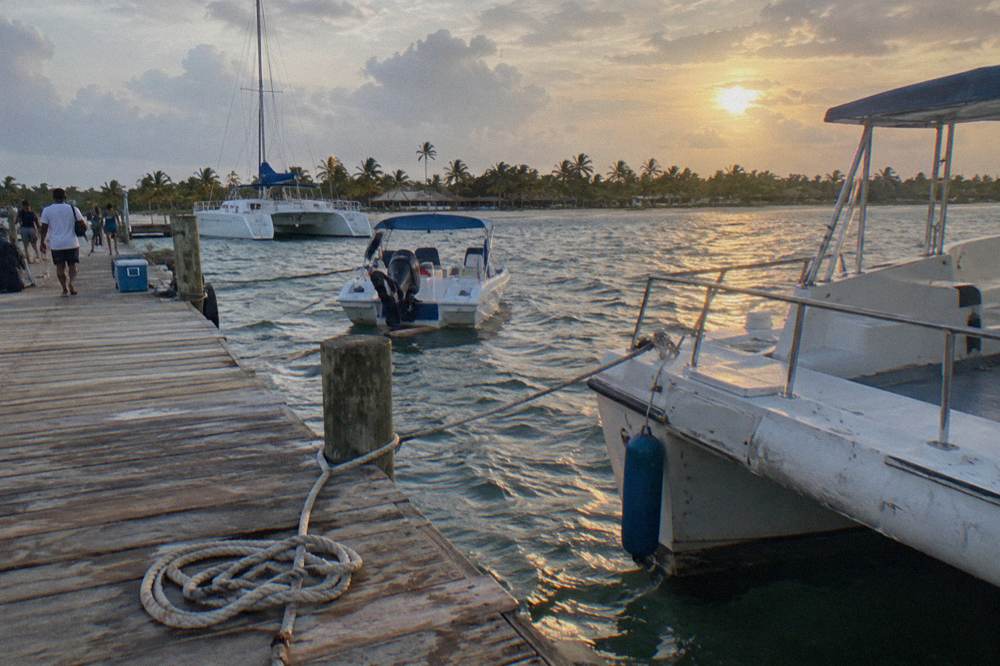
Crossing times are approximate by nature. Verified guidance says usually 20 to 60 minutes by speedboat and 1 to 2 hours by catamaran to Saona, depending on sea and operator, and those numbers are ranges precisely because conditions vary. Catalina lies closer to La Romana, but no verified crossing time for it exists in this research, so treat any figure you see elsewhere with caution.
The La Romana side is changing fast, which matters for anyone comparing the islands from a cruise base. The Dominican Port Authority announced on September 29, 2026 that remodeling of the Port of La Romana would begin in October 2026, and an expansion of the cruise terminal, an investment reported above US$15 million, was inaugurated with coverage in early October 2026, doubling passenger areas. Weekly reporting on the program is carried by the trade press covering the MSC homeport launch. More ships at La Romana means more Catalina traffic on port days and, indirectly, more cruise passengers also shopping for Saona VIP options like the Crusoe trip.
Which Island Has Better Snorkeling?
Saona's snorkeling is centered on the natural pool sandbar, a shallow, standing-depth starfish habitat rather than a reef dive, and the stop usually lasts 30 to 45 minutes. Catalina has a reputation as the stronger snorkeling island, known for its wall and nearshore areas, and it is a frequent dive-excursion call. Neither island allows touching or removing marine life, and starfish handling is prohibited.
The difference is really between two kinds of water experience. Saona's famous stop is the Piscina Natural at Palmilla: waist-deep, warm, sand-bottomed water where starfish sit on the seabed. It is a wading and floating stop, superb for families and non-swimmers, and it is the single most photographed moment of the standard Saona day. Dedicated reef snorkeling exists on some Saona itineraries, but the roster varies stop by stop, so check what your specific listing includes. The Saona Island snorkeling guide covers which formats favor time in the water over beach hours.
Catalina earns its snorkeling reputation through structure: the island is associated with a wall dive site and clearer nearshore areas, and dive-oriented excursions have called there for years. But this site's verified research contains no Catalina-specific depth, visibility or site data, so the honest framing is directional, not statistical. What is verifiable is the regulatory frame both islands share: single-use plastic and foam are banned in Parque Nacional Cotubanama and Monumento Natural Isla Catalina under Resolucion 0024-2023, and removing starfish, shells, coral or sand is prohibited under environmental law as cited by the Ministry.
| Water experience | Saona | Catalina |
|---|---|---|
| Signature stop | Natural pool sandbar, 30 to 45 minutes | Wall and nearshore snorkel areas |
| Depth character | Standing-depth shallow water | Deeper structure, dive-excursion appeal |
| Starfish viewing | Yes, viewing only, no touching | Not a signature feature |
| Best suited to | Families, non-swimmers, first-timers | Confident snorkelers, divers |
Which Should Families And Cruise Passengers Pick?
Families with children and non-swimmers are better served by Saona, because the natural pool stop, buffet lunch and open bar rhythm of the standard day trip is built for mixed abilities. Cruise passengers docking at La Romana can realistically do either island, and the choice comes down to whether they want the famous Saona postcard or the quieter Catalina water, with the cruise port schedule rather than preference often deciding it. If you're leaning toward the quieter option, our Catalina Island quick guide covers boat access, prices, and park rules so you can plan the day with confidence.
For families, Saona's advantages are concrete. The group catamaran format pairs a shallow-water stop with a beach base and a Dominican buffet lunch, and the roster's family-friendly options are laid out in the Saona Island with kids guide. The day is long, 6 to 12 hours door to door across listings, so pick a shorter-duration listing from Bayahibe rather than a Punta Cana departure if small children tire easily. The Bayahibe departure options are compared in Saona Island tours from Bayahibe and La Romana, which is also the relevant guide for La Romana-based visitors.
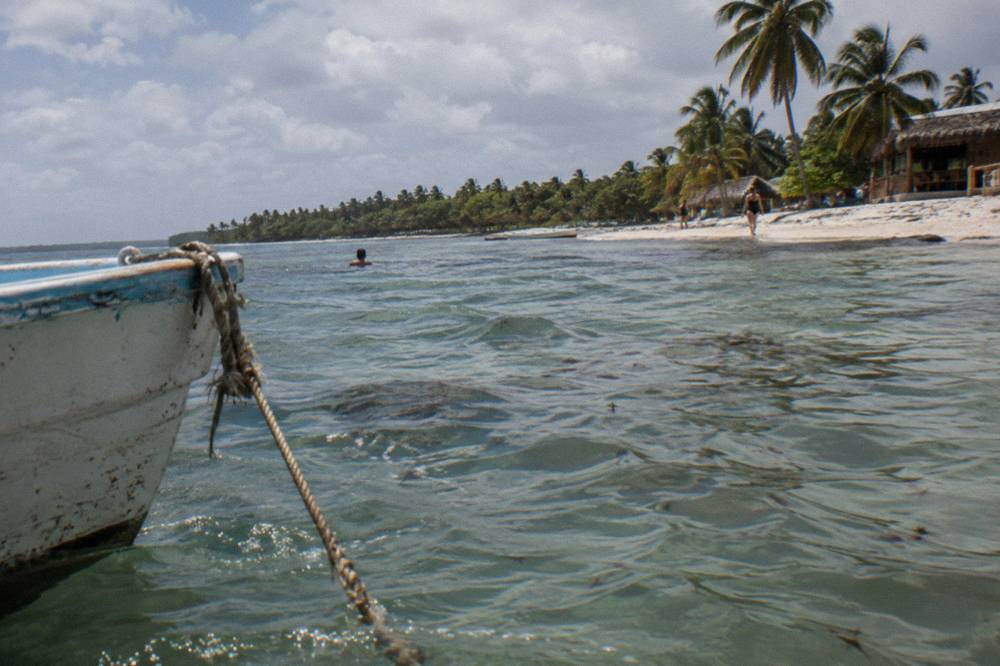
Cruise passengers have the tightest decision. Saona from La Romana means a short drive to Bayahibe plus the crossing, usually 20 to 60 minutes by speedboat, which fits a port day only with a tour designed for it. That is exactly the gap the Crusoe VIP cruise-passenger trip fills, running a small group format designed for cruise passengers. Catalina, by contrast, is practically next door to the port, and from November 16, 2026 MSC Opera passengers will call at Catalina Sugar Beach on every weekly sailing, so for those guests the island choice may already be made by the itinerary.
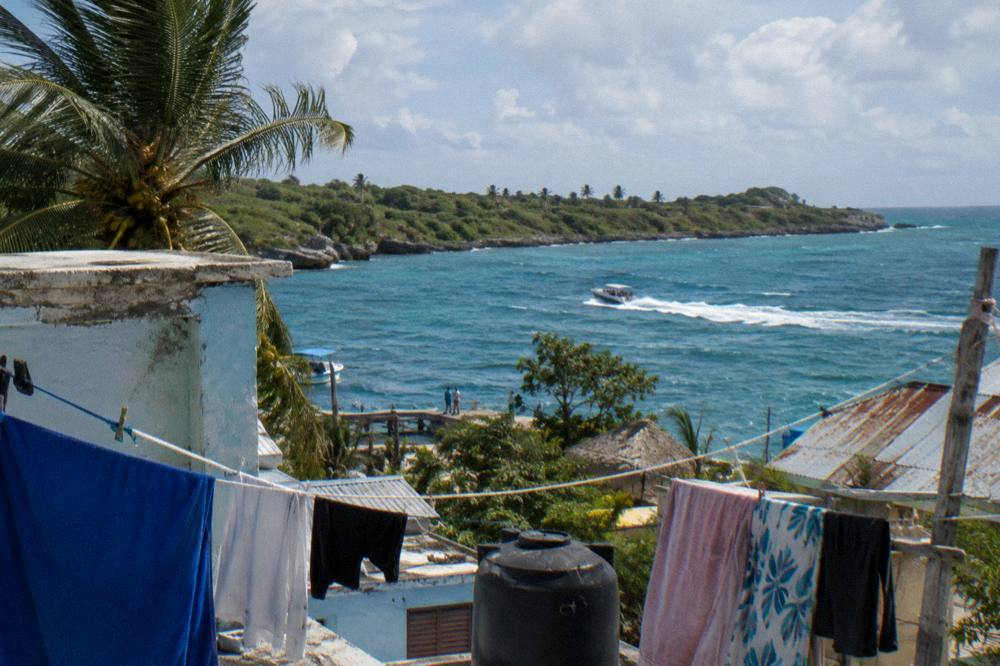
Solo travelers and couples deciding on atmosphere should weight the crowd question. Saona's main beach at midday is busy by design, and if that is a dealbreaker the fix is format, not island: a small group speedboat trip or a private charter changes the day completely, and the trade-offs are compared in the Saona Island tour types compared guide. Readers who want the deeper island-versus-island texture can also read is Catalina or Saona Island better for the question framed from the other side.
What Are The Rules And Verdict For Choosing Between The Islands?
Both islands are protected areas under the Ministry of Environment with day visits only, no overnight stays without ministry booking, bans on single-use plastic and foam, and prohibitions on removing marine life. The verdict: choose Saona for the classic beach day, the natural pool and the deepest choice of bookable trips; choose Catalina only if you are a cruise passenger whose ship calls there or a snorkeler prioritizing structured water over beach width.
The rules are identical in substance because the same ministry administers both. Beyond the plastic and foam ban and the marine-life protections, both islands operate as day-use areas; no camping or overnight stays are permitted without a ministry booking, and the booking route for Cotubanama is by email through the ministry's visitation service. School and institutional visits are exempt from entry payment under the published service terms, though the ministry page lists no fee amounts at all, which is why every fee figure on this site is approximate and flagged as such.
The verdict, plainly. Saona is the right call for the overwhelming majority of readers planning from a hotel in Punta Cana, Bavaro, Bayahibe or Bayahibe-adjacent areas, because it offers the natural pool, the wide beaches, the bookable format spread from US$63 group trips to US$1,490 private boats, and a verified shelf of 40 listings to compare. Catalina is not a lesser island, it is a different access model: tied to La Romana cruise traffic, about to gain a purpose-built beach club, and without an independent-booking ecosystem this research could verify. If your ship calls at Catalina, take it. If you are choosing freely, Saona Island Dominican Republic Tours is where the decision actually lives, and the format you pick matters more than the island.
For readers who want the safety and seaweed context before booking, the current picture is covered in is it safe to go on an excursion in Punta Cana right now, including the verified detail that operators may cancel or alter trips for rough seas with refund policies typically allowing full refunds when the operator cancels.
Common Questions About Saona Island Vs Catalina Island
Is Catalina Or Saona Island Better?
For most independent travelers, Saona: it has the natural pool starfish stop, wider beaches and 40 verified tour listings from US$63 per person. Catalina suits cruise passengers whose ships call there and snorkelers who prefer structured water over a beach day.
Can You Visit Both Saona And Catalina On The Same Day?
Not realistically on independent bookings. Both are full-day boat trips from different departure contexts, Saona from Bayahibe and Catalina mostly via La Romana cruise excursions, and no verified listing combines them.
Do You Pay A Park Fee For Both Islands?
Saona's fee is roughly US$10 to 12 per foreign adult according to independent visitor guides, and many tours bundle it; the Ministry publishes no price list. No separate Catalina fee was found in verified research, so confirm with your operator.
Which Island Is Less Crowded?
Catalina generally receives fewer independent travelers because its traffic follows cruise schedules. Saona's main beach is busiest around midday when tour arrivals concentrate; a small group or private Saona format reduces the crowd factor without changing islands.
Which Island Is Better For Snorkeling?
Catalina is the stronger snorkeling island in verified reporting, with wall and nearshore areas favored by dive excursions. Saona's water highlight is the shallow natural pool sandbar, better for families and non-swimmers.
Which Island Is Easier From Punta Cana?
Saona, clearly. It is served by road transfer to Bayahibe, about 58 to 59 minutes from the Punta Cana area per computed routing, then a crossing of usually 20 to 60 minutes by speedboat. Catalina has no comparable independent-booking route from Punta Cana.