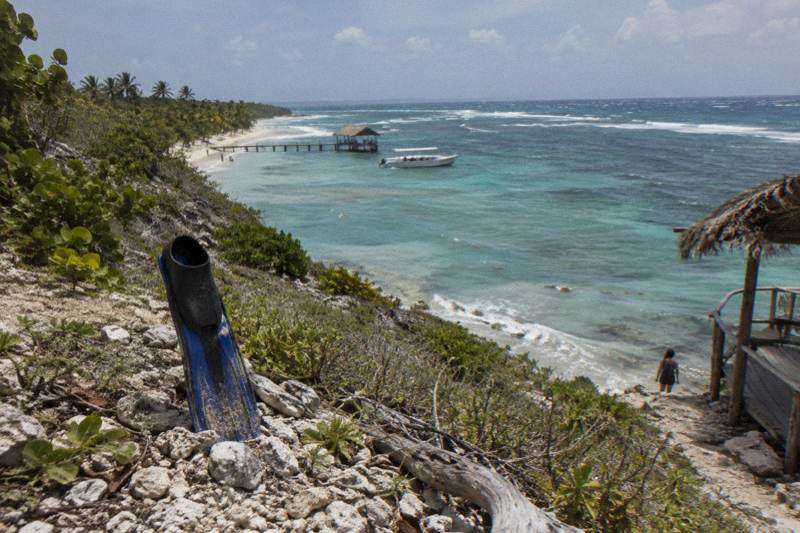
Catalina Island Dominican Republic: A Quick Guide
Catalina Island sits a short boat ride from La Romana and draws most of its visitors from cruise ships, while Saona carries the larger share of hotel-based day trippers from Punta Cana and Bayahibe. Here is how the two islands actually compare on access, cost and the day itself.
Short answer
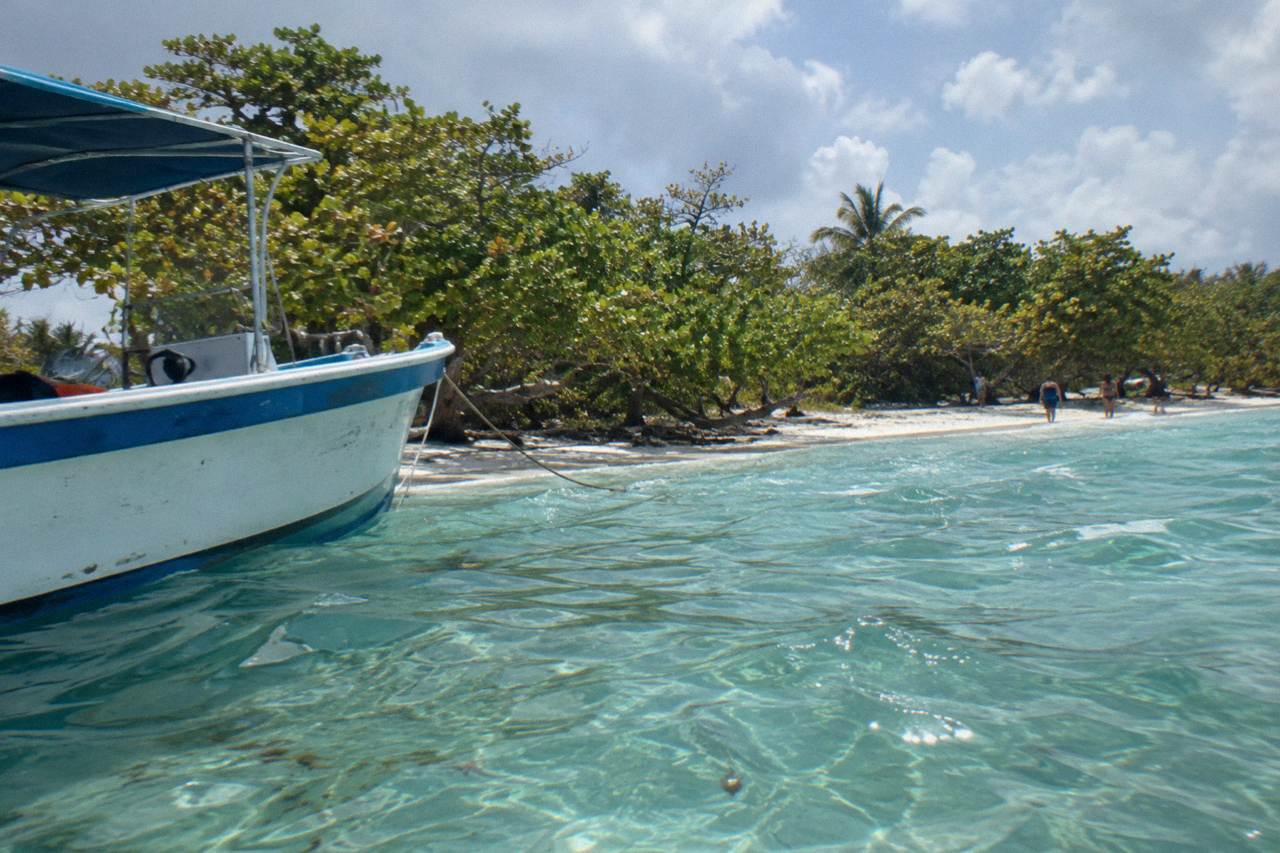
Catalina Island is a separate protected area, Monumento Natural Isla Catalina, reached by boat from La Romana in roughly 20 to 30 minutes. Saona day trips from the same coast run from about US$63 to 116 per person for shared catamaran tours, while private boat charters run US$820 to 1,490 per group. Catalina suits snorkelers and cruise passengers; Saona suits beach time at scale.
Catalina Island hangs off the mouth of the La Romana river, a low, wooded island with two beaches and a reef shelf that cruise lines have visited for decades. Saona, its bigger neighbour inside Parque Nacional Cotubanama, carries the famous postcard beaches and the natural pool, and absorbs the bulk of the day-trip traffic from Punta Cana and Bayahibe. Most people researching Catalina are really asking a comparison question, and this guide answers it directly: what Catalina offers, how you reach it, what it costs, and where it sits against a Saona day. Both islands are protected nature areas run under the Ministry of Environment, and both are visited only on organised day trips, so the comparison is less about scenery rankings and more about which logistics and which price bracket fit your trip. Whichever island you pick, you will spend most of the day in the water, so read our guide to sea swimming safety in the Dominican Republic before you book.
What Is Catalina Island And How Does It Differ From Saona?
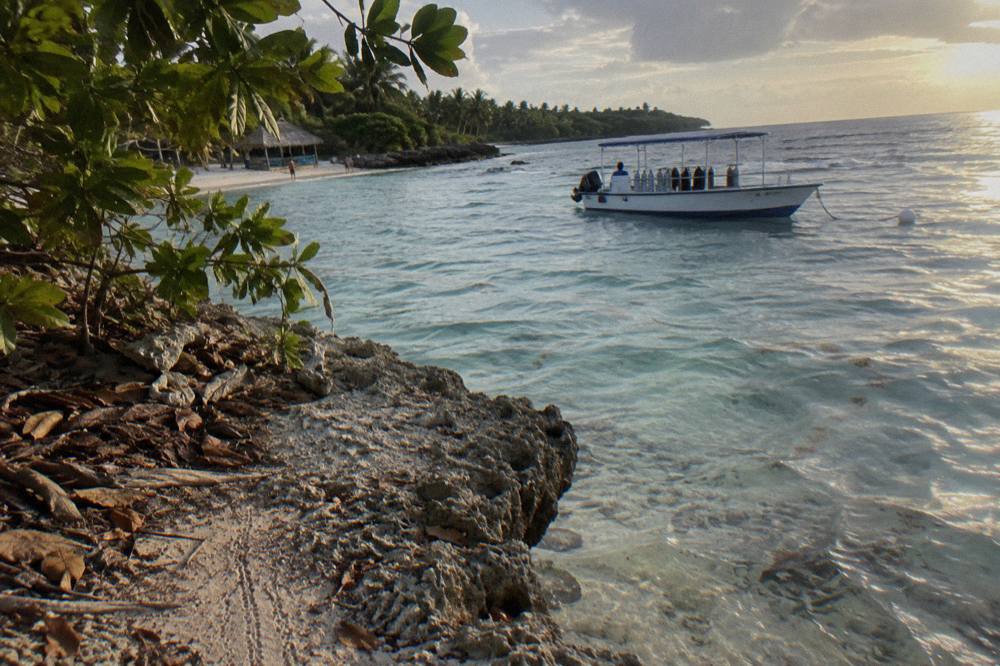
Catalina Island is a separate protected area, Monumento Natural Isla Catalina, not part of Parque Nacional Cotubanama where Saona sits. It is smaller, closer to La Romana, and its visitor base leans heavily on cruise passengers, while Saona is the standard excursion for hotel guests across Punta Cana, Bavaro and Bayahibe. No separate entry fee for Catalina could be verified, unlike Saona's roughly US$10 to 12 park fee. That last point matters more than it sounds. Saona sits inside a national park with a published wristband payment system, even though the Ministry publishes no price list, so every figure for its fee is approximate and most tours bundle it. Catalina's monument status means the fee question is simply unknown here, and the honest advice is to confirm with whoever sells you the trip.
The islands also differ in character. Catalina's fame rests on its snorkeling wall and its two beaches, with dive boats from La Romana and Bayahibe using it regularly; the broader Bayahibe snorkeling and diving scene treats Catalina as one of its regular stops. Saona's fame rests on scale: wide palm-lined beaches, the natural pool sandbar where starfish congregate, and the village of Mano Juan. Our companion piece on Saona versus Catalina goes deeper on the beach-by-beach comparison.
For a first-time visitor to the southeast coast, the practical split is simple. If you are arriving on a cruise ship at La Romana, Catalina is the close, low-friction option. If you are staying in a resort zone, Saona is the better-served product, with dozens of listings, hotel pickup and set itineraries. The complete Saona Island guide covers that side in full.
How Do You Get To Catalina Island From La Romana Or Bayahibe?
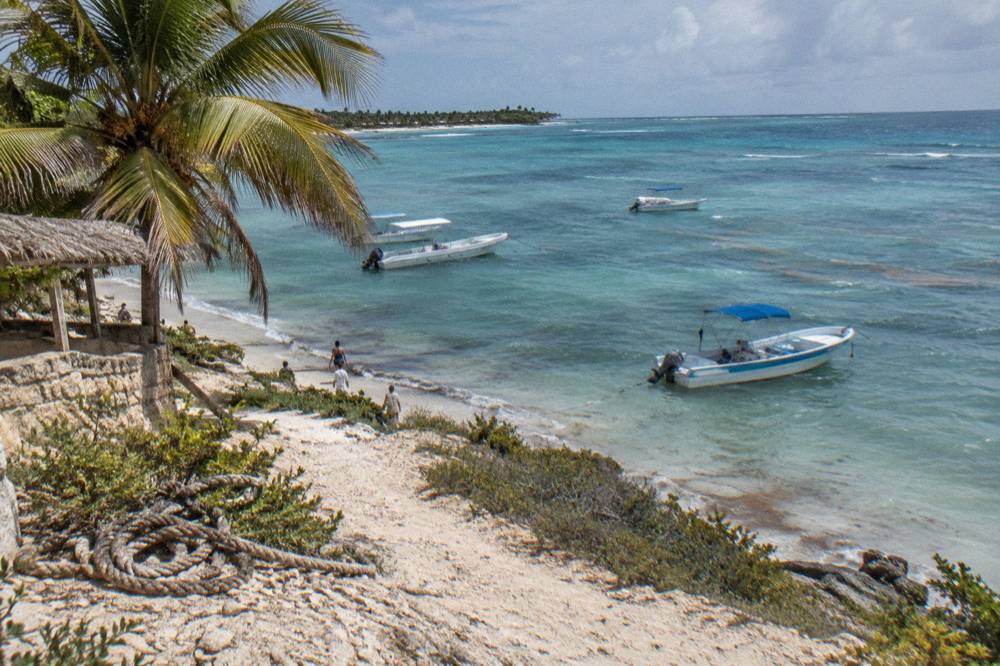
Catalina is reached by boat from the La Romana river mouth area, roughly 20 to 30 minutes out, and cruise passengers are tendered or shuttled directly from the port. Saona boats, by contrast, all leave from the Bayahibe and Dominicus pier area; there is no departure from Punta Cana beaches and no scheduled public ferry to either island. Independent travelers reach Bayahibe by road first, then join an organised boat. That single fact shapes most trip planning. La Romana sits about 24 km and roughly 24 minutes by road from the Bayahibe pier, so the two departure zones are close enough that a Saona trip is realistic even from a La Romana base, and vice versa in principle. Once you've sorted the departure logistics, the next question is what draws everyone to Saona in the first place, and our guide to why Saona Island became so famous covers exactly that.
Cruise logistics have changed recently, and this is where Catalina's profile is rising. MSC Cruises made La Romana a year-round homeport starting November 16, 2026, with weekly Southern Caribbean sailings on MSC Opera projected to add roughly 120,000 visitors annually, and every itinerary calls at the island. MSC and its partners have also been developing Catalina Sugar Beach, a premium beach destination on the island, with opening targeted for November 2026 to match the homeport launch. The Dominican Port Authority announced in late September 2026 that port remodeling at La Romana would begin in October 2026, following a terminal expansion of more than US$15 million that doubled passenger areas and enabled larger ships to berth.
| Departure point | Approximate drive to Bayahibe pier | Notes for Catalina vs Saona |
|---|---|---|
| La Romana | About 24 minutes, 24 km | Catalina boats leave from the river mouth area; cruise passengers transfer at the port |
| Dominicus | About 6 minutes | Bayahibe-side departure zone for Saona boats |
| Punta Cana airport | About 58 minutes, 70 km | Tours bundle hotel pickup; Catalina day trips from here are rare |
| Bavaro hotel zone | About 59 minutes road, operators quote 60 to 90 | Standard Saona pickup corridor |
| Santo Domingo | About 113 minutes | Saona departures from about US$87.90 to 130 per person |
| Uvero Alto | About 82 minutes | Longest common Saona pickup run |
For hotel-based travelers, the practical takeaway is that Saona listings dominate. A Bayahibe speedboat and catamaran combination day trip with lunch is one of the region's most reviewed formats, and the Saona Crusoe VIP excursion for cruise passengers is built precisely for people docking at La Romana who want the Saona beaches rather than Catalina's reef.
What Does A Catalina Or Saona Day Trip Cost?
Verified Saona pricing runs from about US$63 to 116 per person for shared group catamaran day trips, US$75 to 169 for small group and VIP speedboat trips, and US$820 to 1,490 per group for private boat charters; the median per-person from-price across the roster is about US$100. Catalina-specific standalone listings are scarce on this coast, so most visitors meet Catalina through cruise shore excursions, whose prices sit outside this roster. Where numbers exist, they belong to Saona products, and those numbers are solid: a from-Bayahibe Saona day trip with lunch and drinks starts at US$69, Punta Cana all-inclusive versions run roughly US$71 to 89, and luxury small-group catamaran trips with snorkeling and park entry reach about US$169.
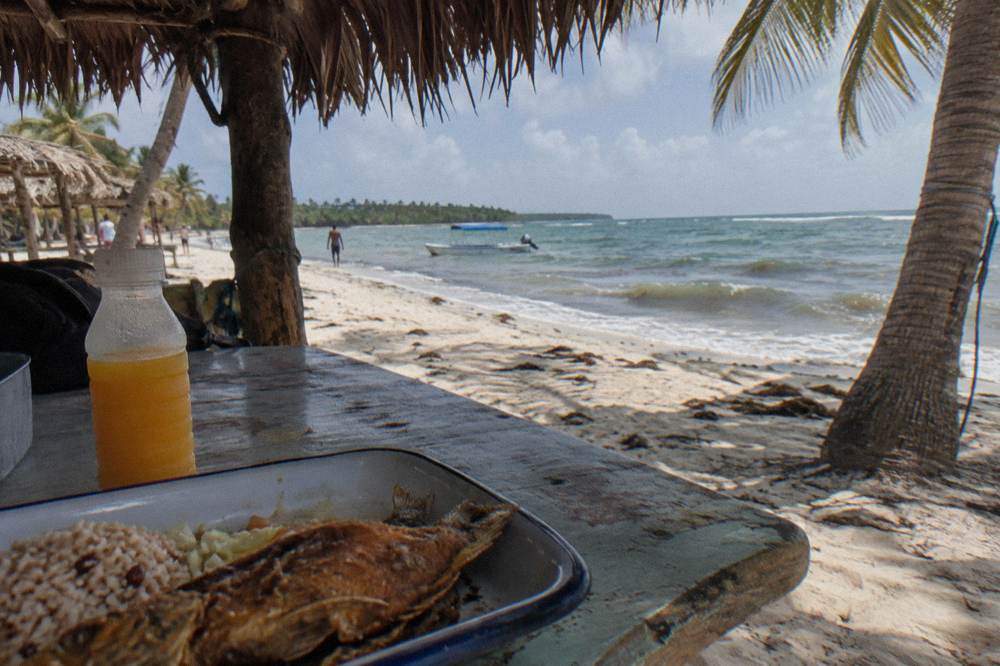
The park fee question affects Saona only, so far as verified sources show. Foreign adults pay roughly US$10 to 12, according to independent visitor guides; the Ministry publishes no price list, so confirm with your operator. Many tours bundle it, and on this roster 11 of 40 listings explicitly include park entry while the rest stay silent, which is why checking the inclusions line before booking saves a double payment at the wristband booth. Extras cost a few dollars, pay on the day; tips are not included anywhere, and a common full-day suggestion is US$10 to 20 per person in small bills.
| Trip format | Verified price band | What usually drives the difference |
|---|---|---|
| Shared group catamaran Saona day trip | About US$63 to 116 per person | Departure town, group size, lunch and open bar inclusions |
| Small group or VIP speedboat Saona | About US$75 to 169 per person | Smaller manifest, reserved areas, snorkel focus, park entry bundled on some listings |
| Saona from Santo Domingo | About US$87.90 to 130 per person | Longer road transfer built into the price |
| Private Saona boat charter | About US$820 to 1,490 per group | Vessel size, per-group rather than per-person pricing, custom itinerary |
| Catalina standalone day trip | Not verified on this roster | Reached mainly via cruise shore excursions from La Romana |
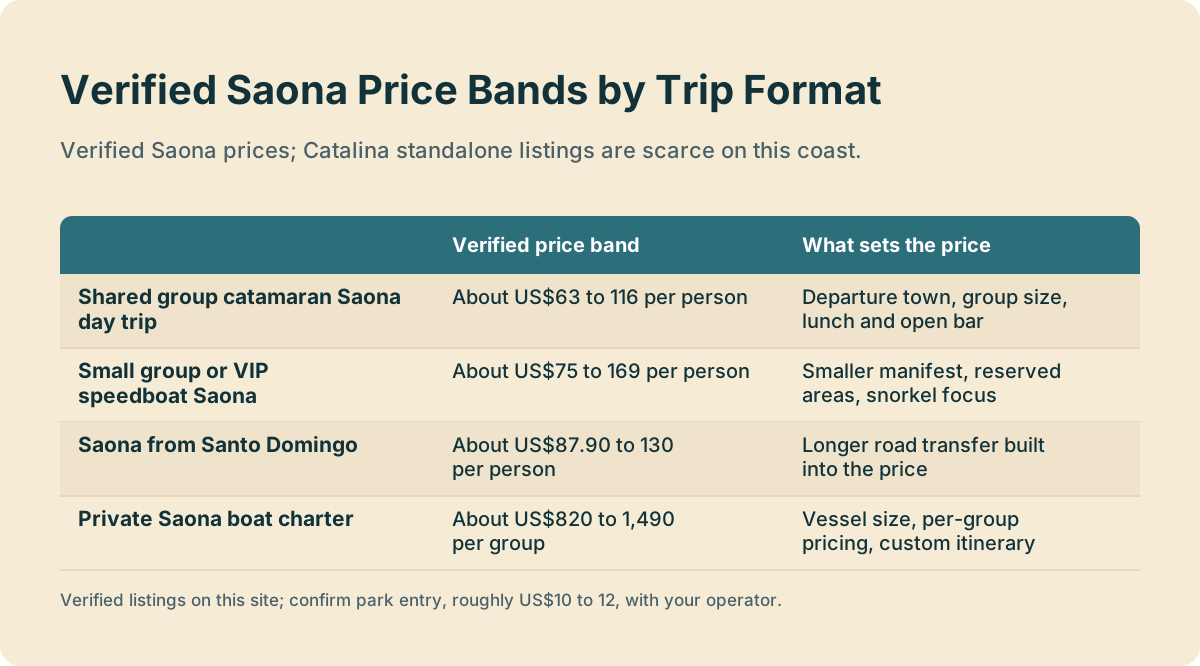
If your anchor decision is budget, the Saona price and inclusions guide breaks down what each band buys you, and the all-inclusive Saona Paradise trip from Punta Cana, from US$71 with buffet lunch and open bar, gives Catalina-curious resort guests a direct point of comparison once they see the transfer picture. The listing describes its inclusions in detail.
What Does A Day On Each Island Actually Look Like?
A Saona day runs about 6 to 12 hours door to door, usually speedboat out and catamaran back, with a 30 to 45 minute stop at the natural pool sandbar, beach time and a Dominican buffet lunch at Canto de la Playa, Mano Juan or the main beach. A Catalina day is shorter and snorkel-centred, typically a reef stop plus beach time, with timings set largely by the cruise schedule rather than by tides or tour format. Saona is day-use only under Ministry rules, and overnight stays are possible solely through a Ministry booking; every tour here returns the same day.
The Saona itinerary is the better-documented of the two because the roster describes it so consistently. The natural pool stop is the signature: a waist-deep sandbar in open water where starfish gather, and where the rules are strict, you look, you do not touch or remove anything, since starfish, shells, coral and sand are all protected. Beach time follows, generally two to three hours, with lunch and an open bar of rum drinks, beer and soft drinks on the standard listings. The Saona itinerary guide lays out hour-by-hour versions.
Catalina's day compresses that structure. The crossing is short, the snorkeling over the reef wall is the headline rather than a beach-decisions contest, and beach clubs on the island handle lunch for arriving groups. With Catalina Sugar Beach opening for the November 2026 season, the operator picture on the island is changing: the development, backed by MSC with local partners, adds a gastronomic pavilion, palapa bars and loungers, and expanded excursion options that reach beyond the island to Altos de Chavon and Saona itself.
For travelers weighing the two islands as experiences rather than logistics, the split is honest and simple: Catalina is the snorkeling island with a shorter, cruise-shaped day, and Saona is the beach island with a longer, fuller-priced day. The listing for the Saona unique experience tour describes a mixed format that blends both instincts, speedboat travel with smaller-group pacing, and it sits at $165 per person, well above the $100 median price.
Which Island Suits You Better: Catalina Or Saona?
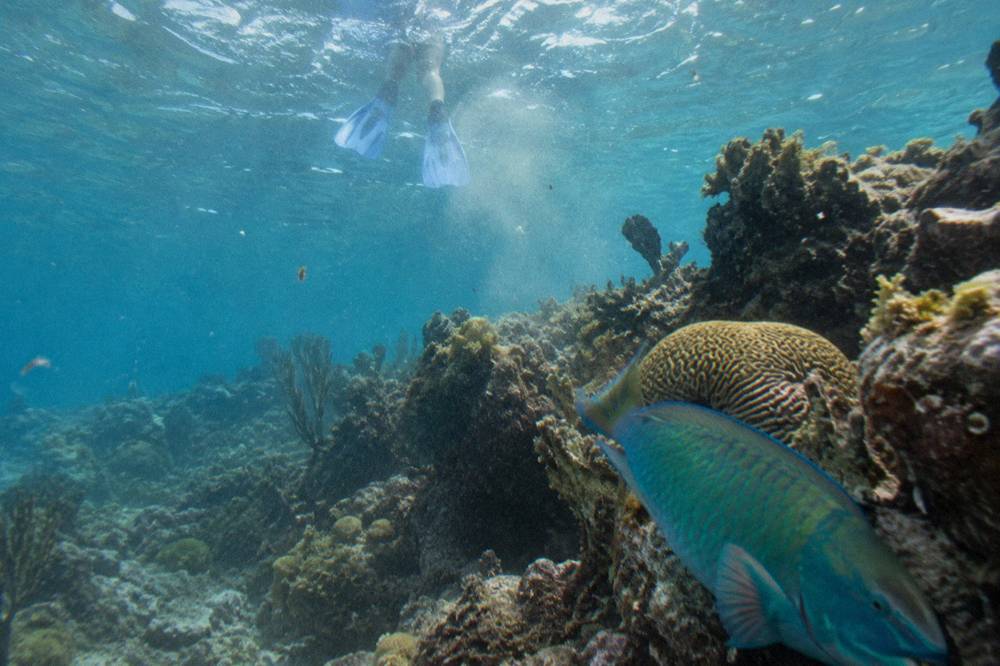
Catalina suits cruise passengers docked at La Romana, keen snorkelers and anyone wanting a short boat day; Saona suits resort guests, families and photographers chasing the wide beaches and the natural pool. Saona has the deeper listing market, from about US$63 per person shared to US$1,490 private, while Catalina is mostly packaged through cruise lines. If snorkeling is the goal, Catalina's reef wall is the stronger draw; for beach scale, Saona wins. The deciding factor for most readers turns out to be where they sleep, not which island is prettier.
| Traveler type | Better fit | Why |
|---|---|---|
| Cruise passenger at La Romana, 6 to 8 hours in port | Catalina, or a cruise-timed Saona VIP | Short crossings fit port windows; the Saona Crusoe VIP listing is built for exactly this constraint |
| Resort guest in Punta Cana or Bavaro | Saona | Hotel pickup bundles the road transfer; dozens of listings from about US$63 per person |
| Dedicated snorkeler | Catalina | Reef wall accessed directly from La Romana dive and snorkel boats |
| Family with young children | Saona | Natural pool is waist-deep; catamaran return breaks up the day |
| Group wanting a private boat | Saona | Verified private charters run US$820 to 1,490 per group |
| Budget traveler | Either island, whichever day trip costs less | Compare the live listings rather than the island names |
There is a middle path worth naming. Some Saona tours from the La Romana side deliberately run a smaller, faster format so cruise passengers can do Saona rather than Catalina without missing the ship, and the Saona Crusoe VIP excursion is the clearest example on this roster. For hotel guests the calculation runs the other way: Catalina standalone tours from Punta Cana are rare to nonexistent on verified listings, so the realistic Catalina day belongs to cruise passengers, and everyone else is effectively choosing among Saona formats, which the tour types compared guide sorts by catamaran, speedboat and private options.
When Is The Best Time To Visit Either Island?
The dry season, December to April, is the most consistently recommended window for both islands, with sunshine, lower rain risk and calmer seas; May to June and November trade thinner crowds for a small weather risk, while September and October are the wettest months and sit inside the Atlantic hurricane season, which runs June 1 to November 30. Sea conditions, not calendars, decide boat days, and operators may cancel or alter trips for rough seas. The precipitation record for the region shows September wettest at about 175 mm and February and March driest at about 40 mm on 30-year averages.
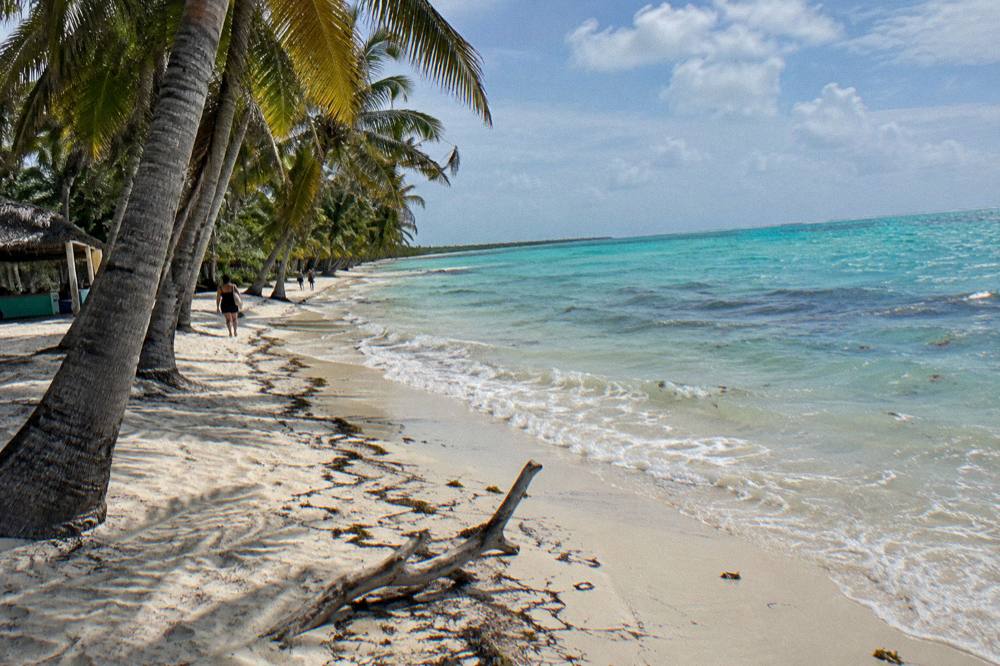
Sargassum belongs in the same honest frame. It varies by day and by beach, and no source supports a claim that either island is free of it. What operators report is that the southeast coast around Saona and Bayahibe is generally less affected than east-facing Punta Cana and Bavaro beaches, partly because Saona itself deflects drifting weed westward, with May to August the higher-risk window and abundance generally declining from November onward. Ask your operator about current conditions rather than betting on a month.
Crowds follow the cruise calendar on Catalina and the flight calendar on Saona. A ship day at La Romana can put several thousand passengers into the excursion market at once, while Saona's busiest stretch tracks the December-to-April high season, when weekly flight arrivals into Punta Cana climb into the six hundreds during the seasonal ramp-up. Neither island empties out; both just have busier and quieter weeks.
What Rules Apply On Both Islands?
Both Catalina and Saona are protected areas where removing starfish, shells, coral or sand is prohibited, single-use plastic and foam are banned under the 2023 Ministry resolution signed at Mano Juan, and visits are day-use only with no overnight stays without a Ministry booking. Reef-safe sunscreen is recommended in the park, and cash in small bills covers tips and the few-dollar extras. The rules are the same in spirit on both islands because both answer to the Ministry of Environment, and the Ministry's protected-area visit service page confirms the wristband payment system and the overnight booking route, though it lists no amounts.
Enforcement is visible rather than theoretical. At Saona's natural pool, guides repeat the no-touching rule for starfish before anyone enters the water, and the ban on single-use plastic and polystyrene foam has been paired with community meetings at Bayahibe and Mano Juan since the resolution was signed. The what to bring guide translates all of this into a packing list, including the cash advice: tips are not included in tour prices, and extras cost a few dollars, paid on the day.
For cruise passengers the practical rule set is tighter still: your shore excursion timing is fixed by the ship, so the free-cancellation terms on independent listings deserve a close read. Many Saona listings from this coast offer free cancellation, which matters when a schedule shifts, and the MSC homeport announcement makes clear how much La Romana's cruise calendar is growing, and with it the number of visitors weighing exactly this Catalina-or-Saona choice on Saona Island Dominican Republic Tours.
Common Questions About Catalina Island
Is Catalina Island The Same As Saona Island?
No. Catalina is a separate protected area, Monumento Natural Isla Catalina, near La Romana. Saona sits inside Parque Nacional Cotubanama and is reached by boat from Bayahibe. They differ in size, beaches and how visitors reach them.
How Do You Get To Catalina Island?
By boat from the La Romana river mouth area, roughly 20 to 30 minutes out. Cruise passengers are transferred directly from the port. There is no public ferry to Catalina or to Saona; both are visited on organised trips.
Is There An Entry Fee For Catalina Island?
No separate fee for Catalina could be verified. Saona's park fee is roughly US$10 to 12 per foreign adult according to independent visitor guides, the Ministry publishes no price list, and many Saona tours bundle it, so confirm with your operator to avoid paying twice.
Which Is Better For Snorkeling, Catalina Or Saona?
Catalina is generally the stronger snorkeling island, with a reef wall visited regularly by dive boats from La Romana and Bayahibe. Saona's signature in-water stop is the natural pool, a shallow sandbar better suited to standing and wading than reef snorkeling.
Can You Stay Overnight On Catalina Or Saona?
No. Both islands are day-use only under Ministry of Environment rules, and overnight stays in the park require a Ministry booking by email. Hotels for this coast are in Bayahibe, Dominicus, La Romana and Punta Cana.
What Is The Best Time Of Year To Visit Either Island?
December to April, the dry season, is the most consistently recommended window, with calmer seas and lower rain risk. September and October are the wettest months. Operators may cancel or alter boat trips for rough seas at any time of year.