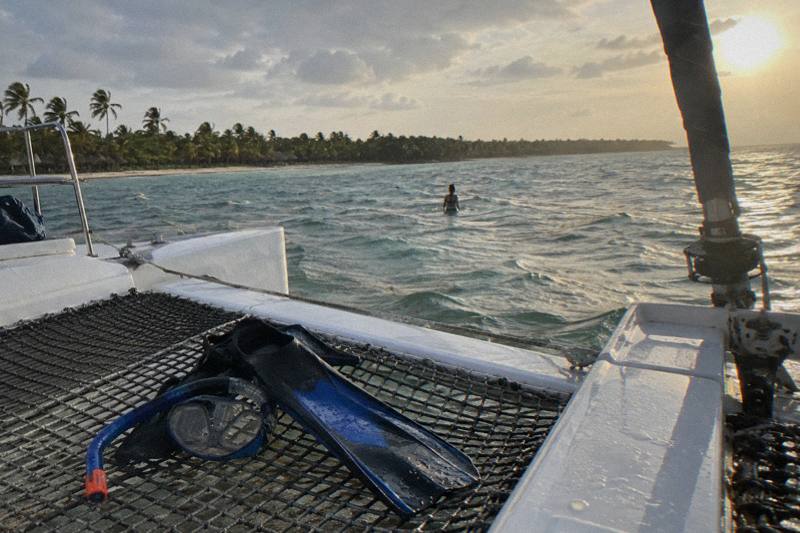
Bayahibe Snorkeling And Diving: Beyond The Saona Trip
Bayahibe is the departure point for every Saona boat, and it is also the southeast coast's quiet base for reef snorkeling and diving, with its own pier, its own rules and its own price ladder.
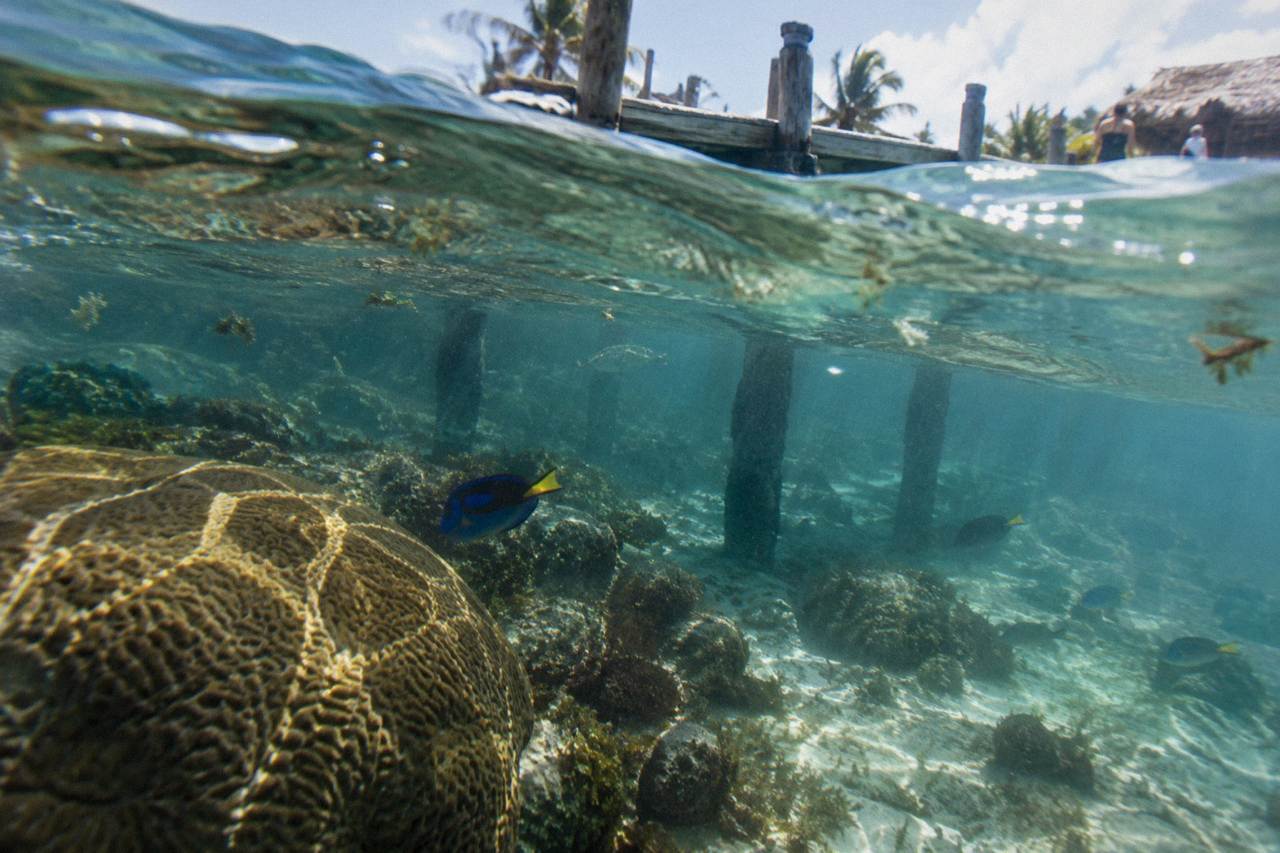
Short answer
"Bayahibe is the only departure point for Saona boats and a snorkeling base in its own right. Prices for the tours listed here run from $63 to $116 per person for group catamaran day trips, and $75 to $169 for small group and VIP speedboat trips. The natural pool stop lasts 30 to 45 minutes on most itineraries.
Every boat to Saona Island leaves from the Bayahibe pier, which makes this small fishing village the place where every Saona day trip begins. That fact alone shapes the snorkeling question. If you are staying in Bayahibe or Dominicus, you are already beside the water most Punta Cana visitors spend an hour or more reaching by road, and the choice in front of you is not whether to get on a boat but which boat, and for how long. If the cost of speedboat tours gives you pause, our guide to free and cheap things to do around Bayahibe and Saona shows how much you can enjoy without ever leaving shore.
This guide lays out what the verified record supports about snorkeling and diving around Bayahibe: how the local reef days stack up against the Saona excursions, what the 40-listing price ladder actually looks like, which park rules constrain what you can do in the water, and how seasons, sargassum and logistics move the decision. Where a detail is not in the verified facts or the tour listings, the honest answer is to check the listing. If you're weighing these trips for younger travelers, the family guide to Saona Island with kids covers age comfort, life vests and boat ride length so you can judge the fit before you commit.
What Can You Actually Snorkel Around Bayahibe?
Two kinds of in-water experiences run from Bayahibe: the Saona excursion circuit, with its natural pool stop of 30 to 45 minutes on most itineraries, and locally sold reef trips whose specific sites, depths and operators are not detailed in the listings here, so their details must be checked on each listing before booking.
Bayahibe sits inside the reach of Parque Nacional Cotubanamá, the protected area that includes Saona Island. The Ministry of Environment runs the park, and its rules apply on the water as much as on the beaches: do not remove starfish, shells, coral or sand, and leave single-use plastic and foam behind, since both are banned in the park under a 2023 ministry resolution. The natural pool, the sandbar stop most Saona itineraries include, is exactly where the no-touching rule is emphasized, because the starfish there draw the most attention. If you are weighing Saona against Catalina, the neighbouring protected island, our guide comparing Catalina Island and Saona for day trips covers the differences in access, price, and pace.
What Bayahibe adds is proximity. Approximate drive times put Dominicus just 6 minutes from the pier and La Romana 24 minutes, so a snorkeling-focused visitor based here can be on the water before Punta Cana guests have finished their hotel pickups. The trade-off is that the best-documented, most-reviewed in-water product from Bayahibe is the Saona day trip itself, and the fuller Saona picture is covered in the complete Saona Island guide.
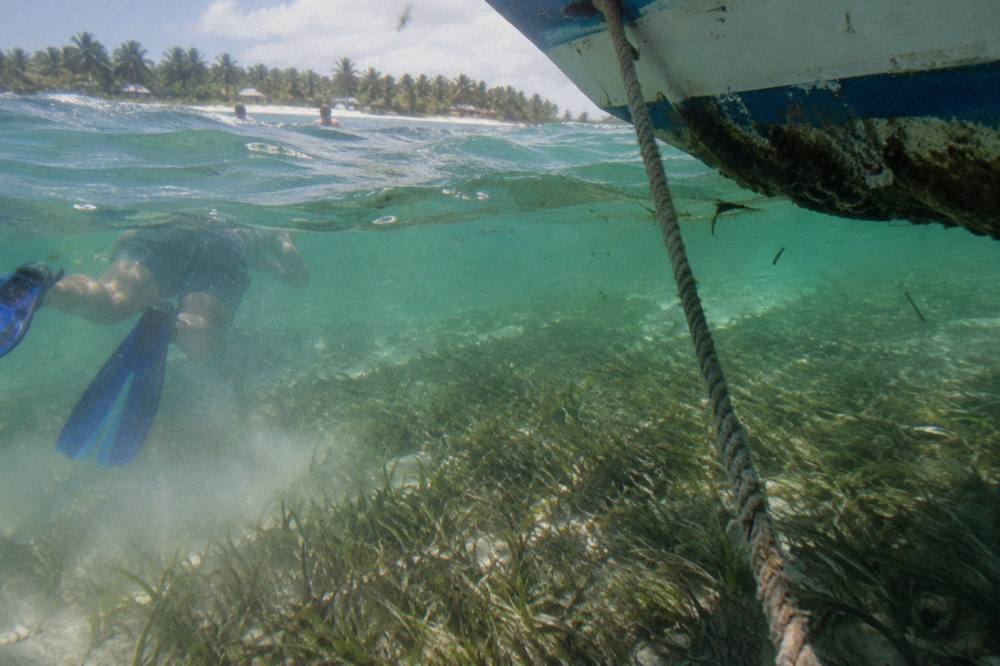
For scuba, book directly with a dive shop in Bayahibe, the same port the Saona day trips leave from. The tours listed on this page are boat and snorkel outings, not dives., and the honest line is that dive operators, site depths and certification requirements around Bayahibe change enough that the shop's own current page is the source to trust. The Saona Island snorkeling guide covers what the listings do state about snorkel stops on the island side.
How Does Bayahibe Compare With Punta Cana For A Snorkeling Day?
Bayahibe wins on water access and ride length, Punta Cana on lodging scale and flight convenience. Every Saona boat leaves from Bayahibe regardless of where you sleep, so Punta Cana visitors add roughly an hour of road each way, while Bayahibe guests start at the pier, and that difference is the whole argument for basing a snorkeling trip in Bayahibe.
The approximate drive times are blunt about it. Punta Cana airport sits 58 minutes from the Bayahibe pier by free-flowing road, the Bavaro hotel zone 59 minutes, and Uvero Alto 82 minutes, and operators quote 60 to 90 minutes from Bavaro once pickups and traffic are folded in. Pickups for full-day trips usually start between 6:30 and 8:00 in the morning. A visitor staying in Dominicus is 6 minutes out. That is an hour or more of sleep, or an hour more in the water, depending on how you look at it.
The comparison matters most for people whose real interest is the reef rather than the island. A Saona day from Punta Cana runs about 6 to 12 hours door to door across the listings this site verified, and much of that is bus. The same day from Bayahibe trims the road legs entirely. Readers weighing the two bases in full, including beaches and hotels beyond the snorkeling question, can go deeper in the Punta Cana versus Bayahibe comparison.
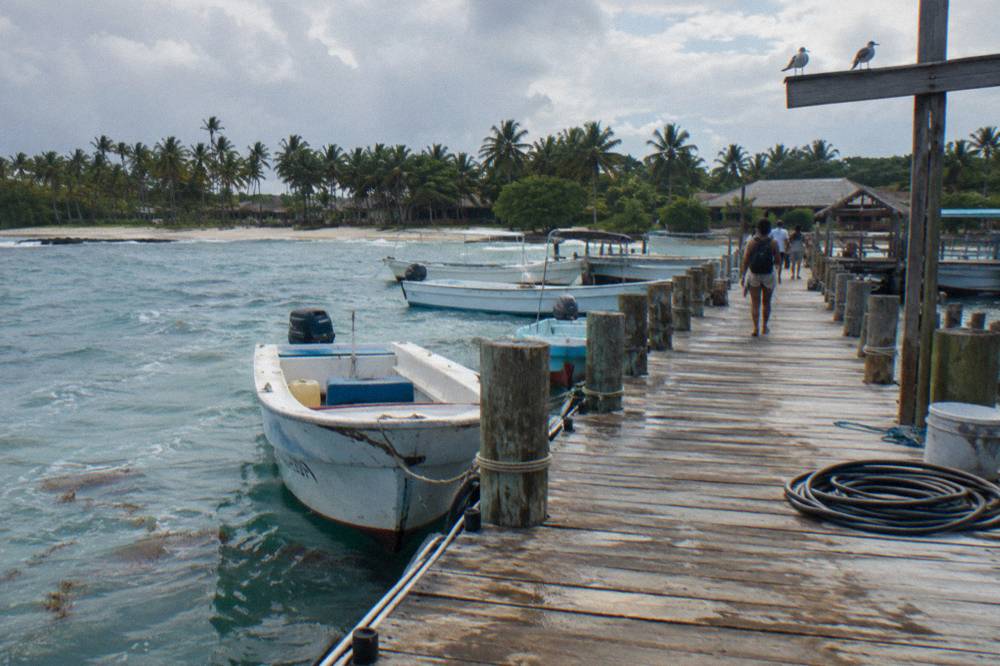
The three listings below frame the choice this site's readers most often make: a Bayahibe-departure Saona excursion, a four-beaches Saona itinerary that leans into the coastal sightseeing, and the all-inclusive Punta Cana version with the road transfer bundled in.
A word on sargassum, since it shapes any snorkeling comparison on this coast. Seaweed varies by day, and no operator or site can promise clear water. The pattern reported in regional monitoring is that Saona and the Bayahibe side often receive less sargassum than the east-facing Punta Cana and Bavaro beaches, because the island deflects drifting weed westward, but "often" is not "always", and 2026 has been a heavy sargassum year regionally. Ask the operator about recent conditions at the specific stop before you book.
Which Saona Tours From Bayahibe Include Snorkeling Stops?
Most full-day Saona itineraries from Bayahibe include the natural pool stop, usually 30 to 45 minutes in the water at a sandbar, but the listings differ on whether snorkel gear, beach time at Canto de la Playa or Mano Juan, and park entry are included, so each inclusion must be read on its own listing rather than assumed.
The roster this site verified splits cleanly on that last point. Of 40 Saona listings, 11 state explicitly that national park entry fees are included, and the other 29 are silent, which means silent is not the same as excluded, only unconfirmed. Where park entry is not stated as included, budget roughly US$10 to 12 per foreign adult, according to independent visitor guides; the Ministry of Environment publishes no price list, its payment is by wristband at the site, so confirm with your operator to avoid paying twice.
The featured listing for this page is the Saona Island excursion departing from Bayahibe, which is the natural fit for a reader already based here: no hotel-transfer leg, straight onto the boat, lunch and drinks as described on the listing. You can check availability on the operator's live listing, and read the inclusions line there before booking, since inclusion flags mirror the listing and change with it.
For readers whose priority is beach variety over boat style, the four-beaches itinerary with Canto de la Playa is the roster's clearest example of a Saona day built around coastlines rather than a single strand. Its inclusions and price basis sit on the listing like every other product, and the same read-before-book rule applies.
Not every tour includes every stop, and the mixed itineraries, often speedboat out and catamaran back, distribute their water time differently. The Saona Island itinerary guide breaks down what a typical day holds, including which stops commonly appear and which are optional.
How Much Does Snorkeling Or Diving Cost Against A Saona Tour?
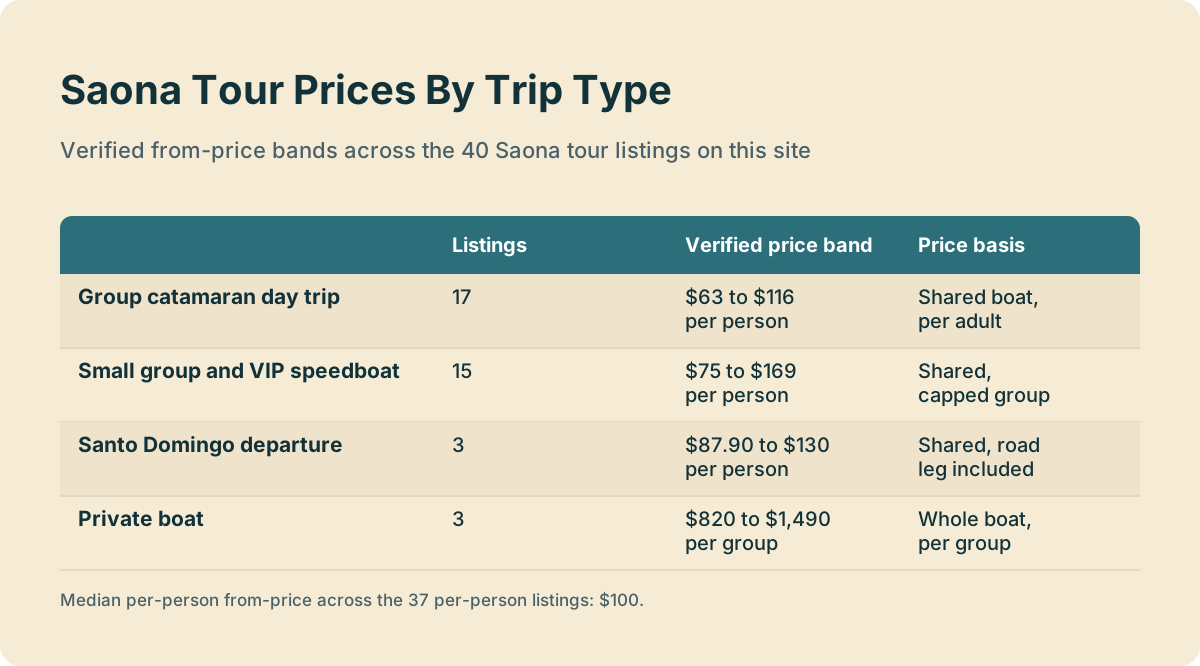
Prices across the tours listed here run $63 to $116 per person for the 16 group catamaran day trips, $75 to $169 for the 16 small group and VIP speedboat trips, $87.90 to $130 for the three Santo Domingo departures, and $820 to $1,490 per group for the private boat charters, with a median per-person from-price of $100 across the per-person tours.
Those bands are worth reading slowly, because they answer the budget question most visitors actually ask. The floor of the market is a shared catamaran day with Punta Cana pickup, lunch and drinks described on the listing. The ceiling for a per-person ticket is the VIP small-group speedboat tier, which trades crowd size for price. Private boats are priced per group, not per person, so a party of six or eight can land close to the per-person cost of a premium shared trip.
| Trip type | Listings | Verified from-price band | Price basis |
|---|---|---|---|
| Group catamaran day trip | 17 | $63 to $116 per person | Shared boat, per adult |
| Small group and VIP speedboat | 15 | $75 to $169 per person | Shared, capped group |
| Santo Domingo departure | 3 | $87.90 to $130 per person | Shared, road leg included |
| Private boat | 3 | $820 to $1,490 per group | Whole boat, per group |
Against those bands, a locally sold Bayahibe reef trip is a different product at a different scale: shorter, closer, and priced by each operator individually, which is why this site prints no figure for one. The full price and inclusions guide carries the complete breakdown of what the Saona listings state about meals, drinks, pickup and park entry, and the same caution applies to any reef day: the listing is the contract.
Two small costs sit outside every ticket. Tips are not included in tour prices, and common guidance for a full-day excursion runs US$10 to 20 per person for guide and crew, in cash. Extras on the island, drinks upgrades, souvenirs, photos, cost a few dollars each and are paid on the day; no reliable published prices exist for those, so treat any figure you hear as indicative only.
What Rules Apply In The Water At Parque Nacional Cotubanama?
The binding rules are simple and enforced: no removing starfish, shells, coral or sand; no single-use plastic or foam in the park; day visits only, with no overnight stays unless booked through the Ministry; and entry paid by wristband for the general public, with schools and institutions exempt.
The plastic and foam ban is not a beach-club courtesy notice. It comes from a 2023 ministry resolution signed at Mano Juan, the village inside the park, and follow-up community meetings at Bayahibe and Mano Juan were reported on the ministry's own site. In practice it means the reusable bottle beats the disposable one, and styrofoam coolers stay home. The ministry's protected-area visit page describes the wristband payment system and the overnight booking route, and it lists no fee amounts, which is why every fee figure on this site is approximate and sourced to independent guides.
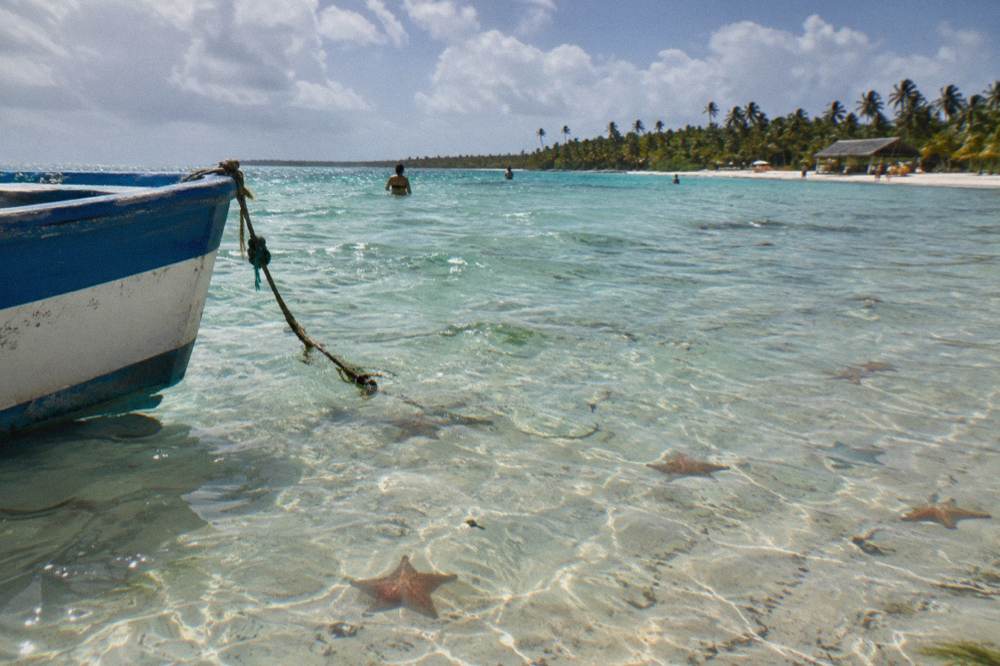
The marine-life rule matters most at the natural pool, where starfish congregate in the shallow water and where most tours concentrate their swimming stop. Holding a starfish out of the water, even briefly, is the classic violation, and crew members on licensed tours police it. The rule rests on the general environmental law the ministry cites, and operators repeat it in their pre-trip briefings.
Reef-safe sunscreen is the other recurring instruction in operator guidance for the park. Operator guides rarely name specific sunscreen brands, but the advice comes through consistently: choose mineral-based formulations over chemical ones when packing for the boat. Apply it before boarding, let it dry, and reapply after the water stop rather than in it.
When Is The Best Season For Underwater Bayahibe?
December to April, the dry season, is the steadiest window: drier, less humid, calmer seas and daytime temperatures around 27 to 30 degrees, while September and October are the wettest months at roughly 175 and 158 millimeters of rain respectively, inside a hurricane season that runs June 1 to November 30.
Those rainfall figures come from 30-year averages, and averages hide variation, but the pattern is consistent enough to plan around. February and March are the driest months, near 40 millimeters each. The trade-off for the December-to-April sweet spot is crowds and prices, since that is peak season on the whole southeast coast. May, June and November sit in the middle: quieter, still warm, a little wetter, and often better value.
Sargassum complicates the summer half of the year. Regional monitoring recorded high totals across the Caribbean in 2026, and the southeast coast near Saona and Bayahibe is generally less affected than the east-facing Punta Cana and Bavaro strands, but conditions change by the day and by the beach. The honest position: ask your operator about the last few days at your intended stop, and treat any blanket promise of weed-free water as a marketing line.
| Season | Months | Rain pattern | What it means on the water |
|---|---|---|---|
| Dry season | December to April | Driest, February and March near 40 mm | Calmest seas, best visibility odds, peak crowds |
| Early wet season | May to July | Showers increase, often brief | Fewer crowds, sargassum risk at its highest |
| Peak wet | September to October | Near 175 mm and 158 mm | Highest rain and tropical-storm risk |
| Late wet | November | Rain easing | Quiet shoulder, variable conditions |
The best time to visit guide works through the same calendar for the Saona trip specifically, and the logic transfers: the underwater stops on any itinerary are only as good as the sea state that day.
How Do You Get To Bayahibe For A Snorkeling Day?
By road, Bayahibe is 6 minutes from Dominicus, 24 minutes from La Romana, 37 from Higuey, about 58 to 59 minutes from Punta Cana airport or the Bavaro hotel zone, and about 113 minutes from Santo Domingo, and every Saona boat on this coast departs from the Bayahibe pier area, with no scheduled public ferry to the island.
Those figures are computed free-flow drive times, so add margin for pickups and traffic. For independent travelers arriving at Punta Cana airport, private transfer rates quoted in operator guides for 2026 start around $90 to $125 one-way per minivan for one to six passengers, with shared shuttles in the $25 to $45 per person range; those are planning ranges, and the transfer company's quote is the number that counts. Most Saona tours from Punta Cana and Bavaro bundle the road leg into the ticket, which is one reason the all-inclusive Punta Cana Saona products price above the Bayahibe-departure floor.
| Origin | Drive time to Bayahibe pier | Distance |
|---|---|---|
| Dominicus | 6 minutes | 3.9 km |
| La Romana | 24 minutes | 24.0 km |
| Higuey | 37 minutes | Not stated |
| Punta Cana airport | 58 minutes | 69.7 km |
| Bavaro hotel zone | 59 minutes | 68.3 km |
| Uvero Alto | 82 minutes | Not stated |
| Santo Domingo | 113 minutes | 133.9 km |
One infrastructure note from the verified news sweep: a new visitor parking facility at Playa Bayahibe, with sidewalks, drainage, signage and a pedestrian bridge, was inaugurated in December 2025, an investment of about RD$213 million aimed squarely at the congestion around the Saona embarkation points. No disruptive road works on the main routes were reported in 2026 sources. The wider access picture, including the airports, is laid out in the how to get to Saona Island guide.
Where Should Snorkel-Minded Visitors Stay In Bayahibe?
Bayahibe itself is small and walkable with the pier at its center, Dominicus is the resort strip 6 minutes down the road, and the 2026 pipeline of new hotels, including a Spanish chain's first Dominican property and an adults-only refurbishment, is adding rooms at both scales without changing the fact that the pier is the island's only launch point.
The lodging news matters less for snorkelers than the geography does. Any bed within a short drive of the pier converts into an earlier boat and a shorter day, and the full inventory, from village guesthouses to the Dominicus resorts, is covered in the Bayahibe beaches guide and the overnight-stay options in the Saona hotels guide. Note that Saona itself is day-use-only territory: the park permits no camping or lodging without a ministry booking, and no tour listed here offers one.
For readers combining a Saona day with land time, the La Romana things to do guide covers Altos de Chavón and the surrounding area, both of which sit inside the same half-hour radius as the pier. The new cruise traffic from La Romana, starting mid-November 2026, will put more excursion pressure on the region, so shoulder-season weekdays and early departures are the practical hedge.
Which Water Day Should You Actually Book From Bayahibe?
If the reef is the priority and your time is short, a locally sold Bayahibe snorkeling trip keeps you close and flexible; if you want the full protected-area experience, the verified market says a group catamaran Saona day from $63 to $116 per person or a small-group speedboat trip from $75 to $169 delivers the natural pool, the beaches and the buffet in one ticket.
The deciding factors are three. First, time: a Saona day runs 6 to 12 hours door to door, and from Bayahibe you skip the road leg entirely. Second, group tolerance: the catamaran tier carries more people at a lower price, the VIP speedboat tier fewer at a higher one, and the private tier, from $820 per group, only yours. Third, conditions: sargassum and sea state vary by the day, so the operator's answer about the last 48 hours at your intended stop is worth more than any brochure.
The all-inclusive Punta Cana version below is the right pick for one specific reader: the party staying in Punta Cana or Bavaro who wants the transfer, lunch, drinks and island day in a single booking, priced on the listing and reviewed there.
And for the Bayahibe-based reader, the featured Saona excursion from the pier remains the cleanest single-ticket answer, with its inclusions stated on the live listing rather than assumed here.
Every tour behind these bands is listed on Saona Island Dominican Republic Tours, and every figure printed here traces back to those listings or to the official sources named above.
Before booking anything, run the same three checks: the inclusions line, the cancellation terms, and the park-entry question, since only 11 of the 40 verified listings state it as included. Then decide on price band, not on adjectives.
Common Questions About Bayahibe Snorkeling And Diving
Can You Snorkel At Saona Island From Bayahibe?
Yes. Most Saona itineraries include a natural pool stop of 30 to 45 minutes, and the listings describe their snorkel stops and gear inclusions individually, so read the listing before booking.
Is Bayahibe Better Than Punta Cana For Snorkeling?
Bayahibe is closer to the reefs and the Saona boats, with the pier 6 minutes from Dominicus versus roughly an hour by road from Punta Cana or Bavaro. Punta Cana offers more lodging and flights, but every Saona boat still leaves from Bayahibe.
How Much Does A Saona Snorkeling Tour From Bayahibe Cost?
Group catamaran day trips run from $63 to $116 per person, and small group or VIP speedboat trips from $75 to $169, with a median per-person from-price of $100 across the tours listed here.
Is The Park Entry Fee Included In Bayahibe Tours?
Of the 40 verified Saona listings, 11 state national park entry as included and the rest are silent. If not included, budget roughly US$10 to 12 per foreign adult; the Ministry publishes no price list, so confirm with your operator.
When Is The Best Time Of Year For Snorkeling In Bayahibe?
December to April, the dry season, brings the calmest seas and lowest rain, with February and March driest. September and October are the wettest months, and sargassum risk peaks roughly May through August, varying by day.
Are There Rules About Touching Starfish At Saona?
Yes. Removing or handling starfish, shells, coral or sand is prohibited in Parque Nacional Cotubanama, and single-use plastic and foam are banned in the park under a 2023 ministry resolution.
One final planning note for divers and strong swimmers: the Ministry of Environment's own protected-area visit page (ambiente.gob.do service detail) is the official reference for park visitation and wristband payment, and air travelers should complete the free Dominican Republic E-Ticket form before arrival; regional rainfall averages behind the season table come from weather-and-climate.com's Saona Island dataset.