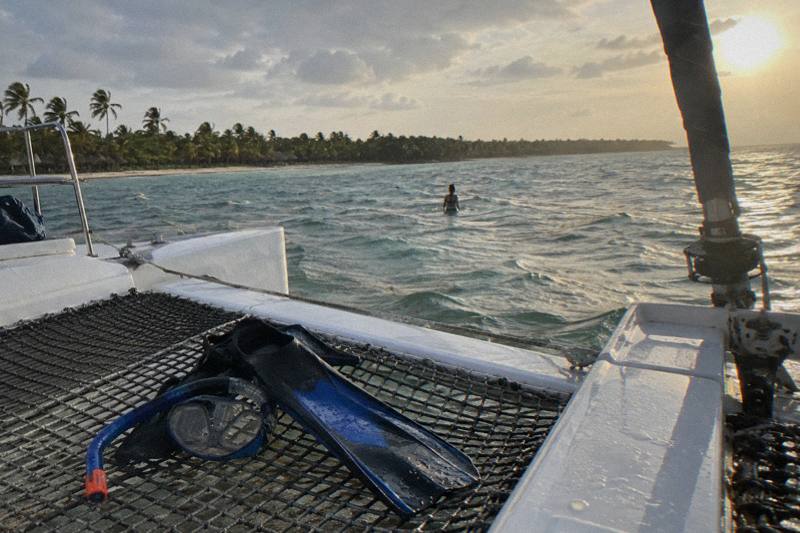
Saona Island Snorkeling: Where, What You See, What To Bring
Saona Island sits inside Parque Nacional Cotubanamá, a protected national park on the Dominican Republic's southeast coast, and most day trips include at least one snorkel or swim stop. Here is what the listings actually offer, what gear comes with the boat, and what the park rules let you do in the water.
Short answer
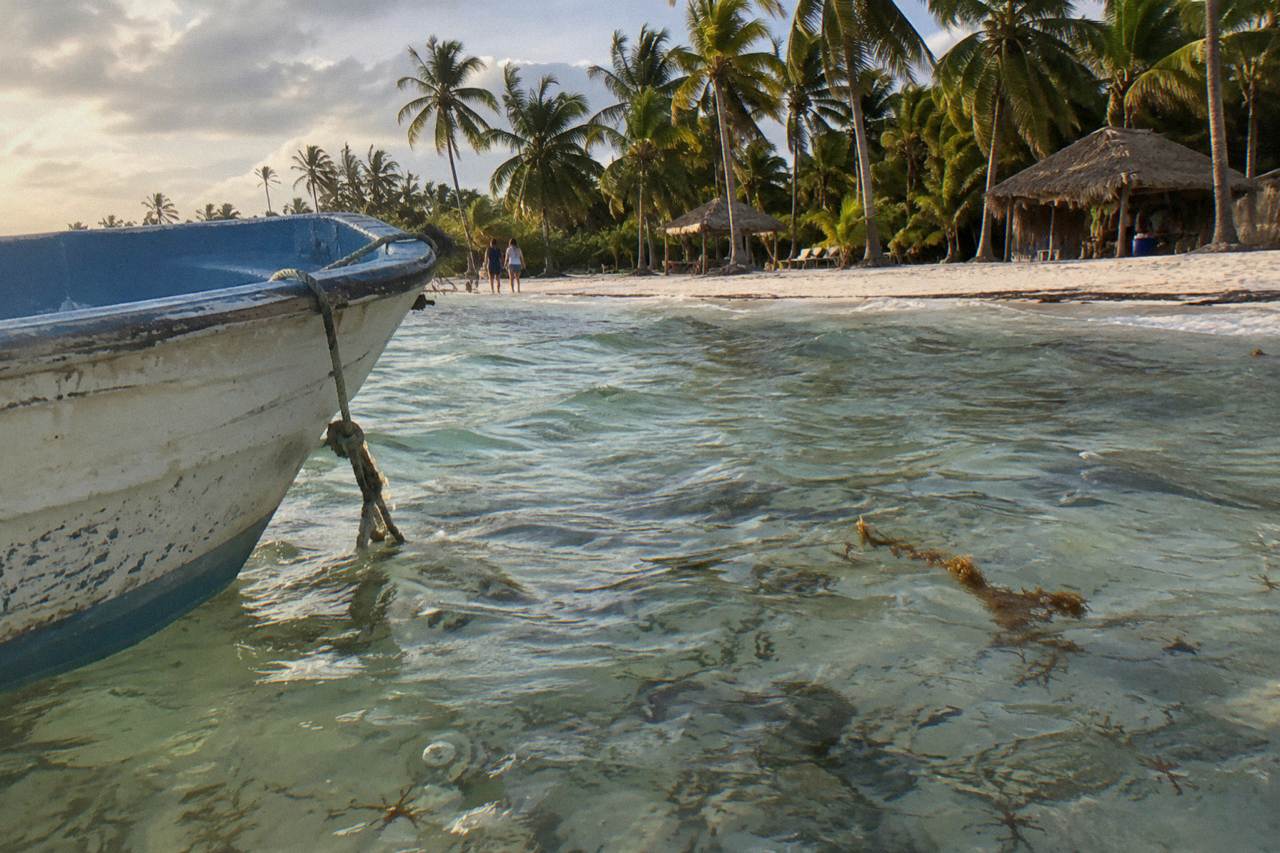
Most Saona day trips include one water stop at the Piscina Natural, a waist-deep sandbar, plus beach swim time; dedicated snorkel stops appear on small group and sailing tours, which run from $75 to $169 per person. Gear is usually provided on tours that list snorkeling; on others, swim stops need no gear at all. Starfish are protected: look, never touch.
Saona Island is the beach headline of most Punta Cana and Bayahibe brochures, but the water around it is what makes the trip worth a full day. The island sits inside Parque Nacional Cotubanamá, a protected area run by the Dominican Ministry of Environment, and that protection shapes everything about snorkeling here: where boats may stop, what you may touch, and what lives in the shallows. Most visitors snorkel or swim at a sandbar called the Piscina Natural and from the island's beaches; dedicated reef stops belong mainly to the small group and sailing tours rather than the big catamaran days. Once the last catamaran heads back to the mainland, the island empties completely, so if you are curious about sleeping there, the rules for overnight stays on Saona Island explain what the park allows and where to spend the night nearby.
This guide covers the stops the tours actually make, the gear the listings say is provided, the fish and starfish you can expect, and what to pack. Saona sits inside a protected marine area, so boat crews anchor away from the reef and ask visitors not to touch the starfish. Non-swimmers are fine, since life jackets are standard on these trips.
Where Can You Snorkel On A Saona Island Tour?
The short answer is the Piscina Natural sandbar and the island's beaches, with a dedicated reef stop only on tours that list one. Every Saona boat leaves from the Bayahibe pier area, and mixed itineraries typically run a speedboat out and a catamaran back. Operator guides put the natural pool stop at roughly 30 to 45 minutes; not every tour includes every stop, so the stop list on the live listing is the deciding factor.
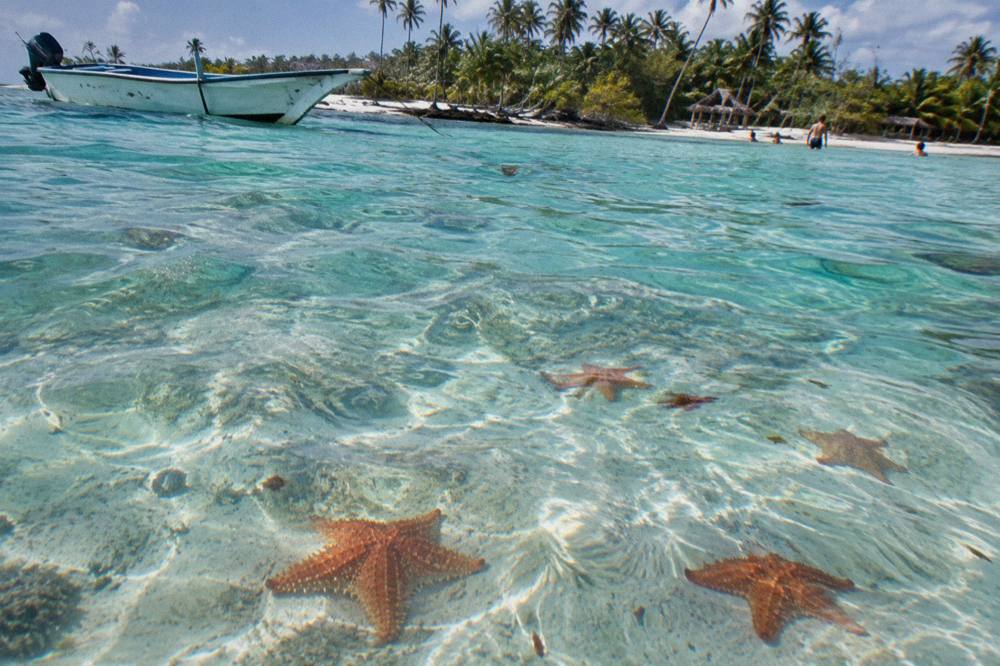
The Piscina Natural, also called Palmilla, is a shallow sandbank off the island where the water sits around waist depth. It is the signature swim stop of the standard day trip: you stand in warm, clear water, the crew hands out drinks, and the starfish that live on the sandy bottom are the main attraction. It is a swim stop more than a snorkel stop, since there is little structure, but on calm days the visibility makes mask-watching worthwhile even in two feet of water.
Beach time comes next, usually at Canto de la Playa, the main public beach, or near Mano Juan village on some itineraries. Swimming is free-form here, and a few operators keep masks on the boat for informal use. For a real snorkel stop with fins and reef, you are looking at the small group and VIP end of the roster, for example the small group luxury catamaran listing, which names snorkel stops and park entry in its inclusions, or the very small group sailing tour, whose listing describes a slower day with water time at quieter spots. The Saona Island Unique Experience listing also markets itself around the water stops; details are on the listing. If you're weighing which stretch of sand suits you best, our comparison of Saona Island's prettiest beaches covers how the main swimming spots differ.
The general shape of the day, from operator guides and the verified itinerary facts, looks like this:
| Segment | Typical content | Approximate duration |
|---|---|---|
| Road transfer from Punta Cana or Bavaro hotels | Shared minibus to Bayahibe pier | About 60 to 90 minutes |
| Boat out | Usually speedboat, faster crossing | Usually 20 to 60 minutes |
| Piscina Natural | Sandbar swim and drinks stop | 30 to 45 minutes |
| Saona beach time | Beach, buffet lunch, open bar on listings that include them | A few hours, tour dependent |
| Boat back | Often catamaran, slower party pace | Usually 1 to 2 hours |
Crossing times vary with sea state and operator, which is why the table gives ranges rather than a fixed figure. The full door-to-door day runs about 6 to 12 hours across the 40 roster listings.
Do Saona Tours Provide Snorkeling Gear?
On tours that list snorkeling as an inclusion, yes: snorkeling gear is provided, and several of the 40 roster listings state snorkel equipment explicitly. On the big shared catamaran days, the water stops are swim stops where no gear is needed. If the listing does not name snorkel gear in its inclusions, assume it is not included and check with the operator before booking.
The roster is the honest source here, and it splits cleanly. The small group luxury catamaran tour lists snorkel use alongside park entry; the sailing tour's listing describes a very small group format with equipment on board. At the shared catamaran end, from roughly $63 to $116 per person across 16 group tours, the water time centers on the natural pool, where the water is shallow enough that a mask is a bonus rather than a requirement.
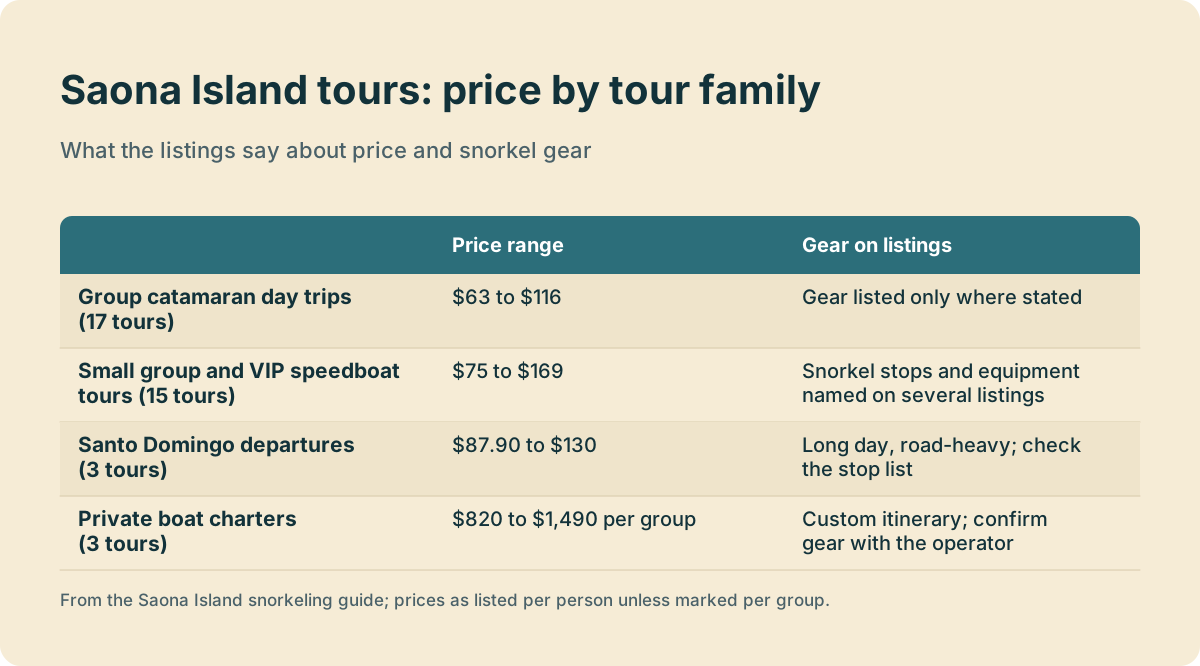
A practical reading of the roster by tour family:
| Tour family | Per-person price range | What the listings say about gear |
|---|---|---|
| Group catamaran day trips (16 tours) | $63 to $116 | Most list lunch, drinks and transfers; snorkel gear only where stated |
| Small group and VIP speedboat tours (16 tours) | $75 to $169 | Snorkel stops and equipment named on several listings |
| Santo Domingo departures (3 tours) | $87.90 to $130 | Long day, road-heavy; check stop list on the listing |
| Private boat charters (3 tours) | $820 to $1,490 per group | Itinerary is customizable; confirm gear with the operator |
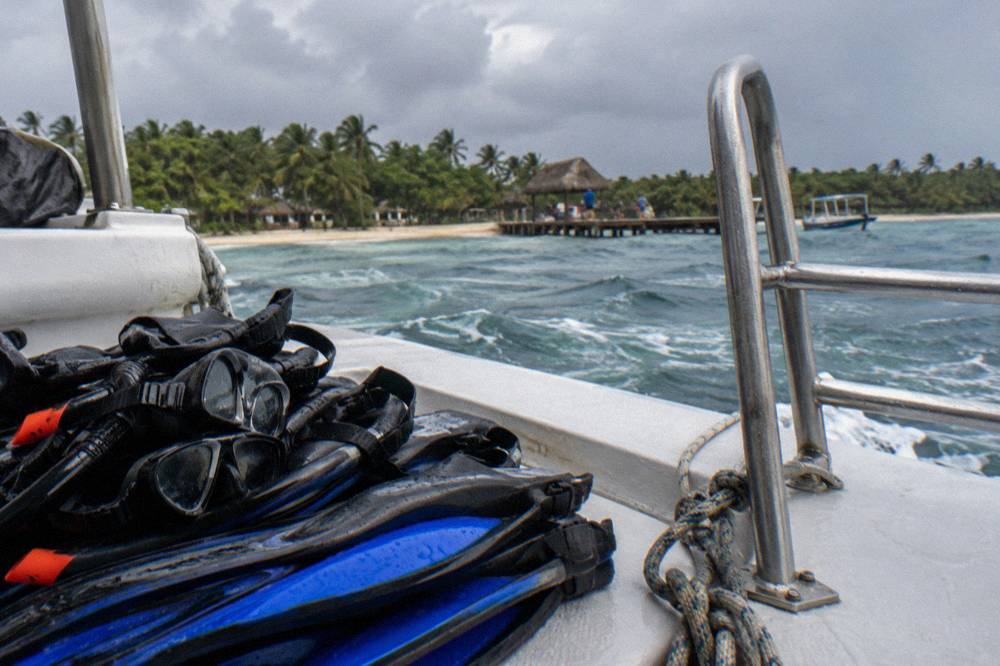
If you own a mask that fits, bring it. Rental masks on high-volume boats take a beating, and a leaking mask ruins a 30 minute stop. Fins matter less at the sandbar, more at any reef stop. The Saona Island small group tour guide compares the formats in more depth, and the broader Saona Island tour types compared page sets out the price logic.
What Marine Life Can You Actually See?
Starfish are the headline: large ones rest on the sand at the Piscina Natural, and the park rules are strict, you may look but never touch or lift them. Around any reef or seagrass stops, small group tours commonly report tropical fish schools; the roster and park rules name no species list, fish counts or depths, so treat any specific tally as operator marketing rather than fact.
The starfish at the natural pool are the reason the stop exists. They are genuinely impressive, dinner-plate sized and scattered across the sand in water you can stand in. The Ministry of Environment, which runs the park, is unambiguous about them: removing starfish, shells, coral or sand is prohibited, and crews are supposed to enforce it. Lifting one out of the water for a photo, a habit older Instagram would encourage, kills them. Admire them where they sit in the shallows.
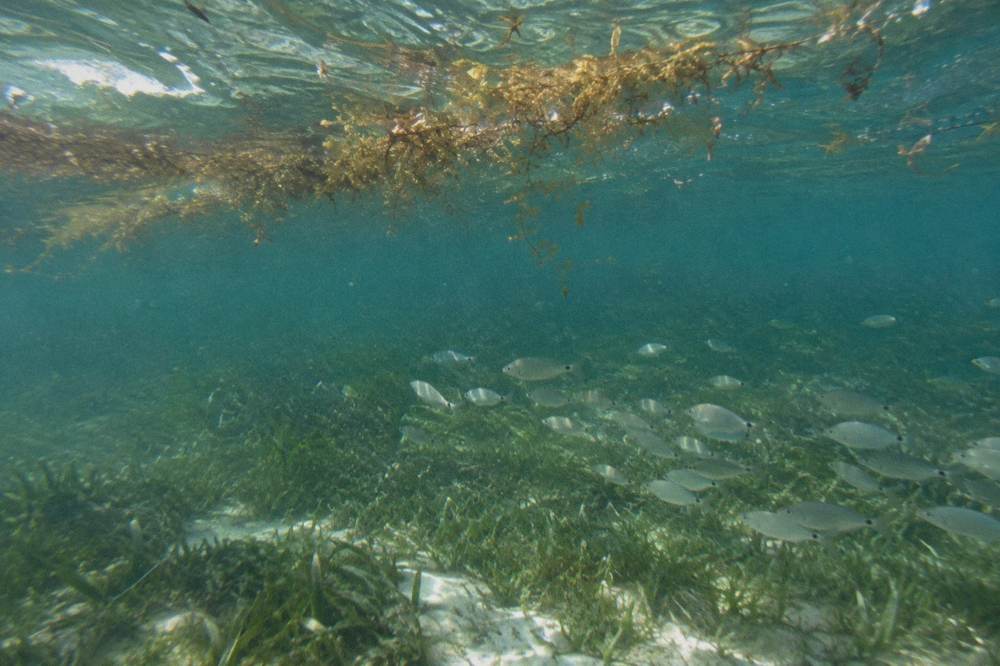
Beyond the starfish, the honest picture is that Saona is not a dive-reef destination like the Bayahibe wall further along the coast. What the listings describe is shallow Caribbean water with seagrass beds, patches of reef, and the fish that go with them. The protected status helps keep the nearshore water cleaner: single-use plastic and foam are banned in the park under a Ministry of Environment resolution banning plastic and foam, one reason the beaches here often stay cleaner. For serious reef time, the Bayahibe diving scene, covered in the Bayahibe snorkeling and diving guide, is the stronger base, and Saona is the beach day.
The Ministry's own protected-area guidance, including the wristband entry system and the visit rules, is published on the Ministerio de Medio Ambiente visitation page; it confirms payment on site and the day-use-only rule but publishes no fee table.
How Good Is The Visibility And When Should You Go?
Southeast-coast water around Saona is generally calmer and clearer in the dry season, December to April, when rainfall is lowest and seas are friendliest for small-boat trips. September and October are the wettest months on 30-year averages, roughly 175 mm and 158 mm, versus about 40 mm in February and March. Sargassum varies by day; Saona's south and west beaches are often clearer than the east coast, but no operator can promise its absence.
Visibility is a weather-and-season story, not a fixed number, and the site declines to print swim depths or water-clarity figures nobody publishes. What is verifiable: the dry season, December to April, brings the most stable sunshine and the calmest seas on the southeast coast; the wet season, May to November, brings short intense showers rather than all-day rain; and the Atlantic hurricane season runs June 1 to November 30 with peak activity mid-August to mid-October, as tracked by the storm monitoring services.
Sargassum deserves a straight answer. 2026 was a heavy sargassum year in the Caribbean overall, but the southeast coast around Saona and Bayahibe reports less impact than the east-facing Punta Cana and Bavaro beaches, sargassum varies from day to day, so ask your tour operator. Less is not none: it varies by day, and operators sometimes adjust landing spots. The right move is to ask your operator the day before, not to trust any page that promises clear water.
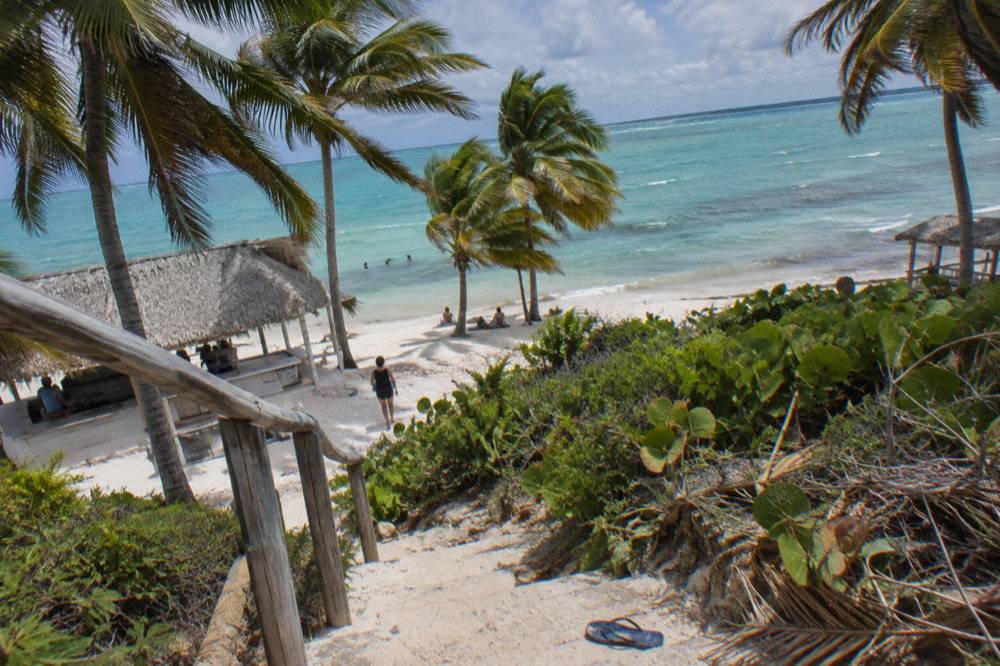
The seasonal trade-off in brief:
| Period | Conditions reported | Trade-off |
|---|---|---|
| December to April | Driest, calmest seas, best visibility odds | Peak crowds and prices |
| May to June | Still pleasant, fewer boats | Sargassum risk near its May to August window |
| September to October | Wettest months, higher tropical-storm odds | Lowest prices, empty beaches if you get a clear day |
| November | Rains easing, season winding down | Good value window |
The Best Time To Visit Saona Island guide works through the same calendar in more detail, including the seaweed question.
What Are The Park Rules For Snorkelers?
The rules are simple and enforced: no touching or removing starfish, shells, coral or sand; no single-use plastic or foam in the park; day visits only, no overnight stays without a Ministry booking. Entry is paid by wristband at the site, roughly US$10 to 12 per foreign adult according to independent visitor guides, and the Ministry publishes no price list, so confirm with your operator whether it is bundled.
The plastic and foam ban comes from a 2023 Ministry resolution signed at Mano Juan on the island itself, and it is the rule most likely to affect your packing. Leave the disposable bottles, styrofoam coolers and plastic bags at the hotel; bring a refillable bottle. The marine-life rule covers the starfish at the natural pool and everything else: shells stay on the beach, coral stays in the water, sand stays put.
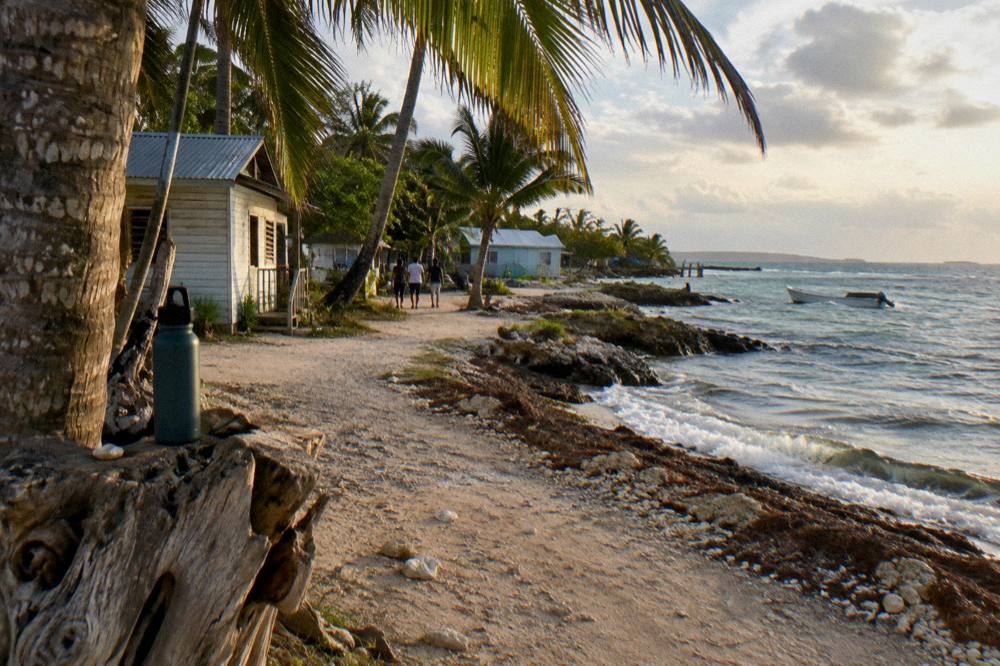
Of the 40 Saona Island tours listed, 11 name national park entry as an explicit inclusion; the other 29 say nothing, which usually means you pay at the booth or it is quietly bundled. The safest phrasing when you book is a direct question to the operator: is the park wristband included, or do I pay roughly ten to twelve dollars on the day? The Saona Island tour price and what's included guide breaks the whole inclusion question down tour family by tour family.
One safety note belongs here rather than buried in an FAQ. In late July 2026, a tourist boat returning from a Saona excursion suffered an explosion and fire off Bayahibe, injuring 23 people with no deaths reported; it was a single incident, no deaths were reported in the incident, and the response involved the navy, coastguard-linked services and local clinics. The practical takeaway for snorkelers is the ordinary one: note the life jackets and the crew brief at boarding.
What Should You Bring For A Snorkel Day At Saona?
Pack reef-safe sunscreen applied before boarding, a towel, a dry bag for electronics, your own mask if you own one, and cash in small US bills for extras and tips. Photo and drink upgrades cost a few dollars on the day with no reliable published prices, and operator guides suggest tipping about US$10 to 20 per person in cash for a full-day crew.
The sunscreen point deserves emphasis because the park rules point the same way as your skin: mineral, reef-safe sunscreen, applied at the hotel rather than on the boat, because it needs 15 minutes to bind and because lotion slicks in a protected bay help nobody. Dry bags matter more than people expect; the speedboat legs throw spray, and phone screens do not forgive salt water. Cash matters because the island economy runs on it, from the wristband if it is not bundled to souvenirs in Mano Juan.
A compact checklist, kept honest about what is verified:
| Item | Why | Verified basis |
|---|---|---|
| Reef-safe sunscreen | Park-protected water, tropical sun | Park rules and operator guides |
| Cash, small US bills | Wristband if not bundled, tips, extras | Park payment system; operator tip guides |
| Own mask and defog | Rental masks fit poorly | General practice, not a roster claim |
| Towel and dry bag | Speedboat spray, wet gear | Operator guides |
| Refillable water bottle | Single-use plastic banned in park | 2023 Ministry resolution |
| Motion-sickness tablets | 20 to 60 minute crossings, chop possible | Approximate crossing ranges |
The full packing treatment, including footwear and what to wear, is in the what to bring and wear to Saona Island guide.
How Do You Pick A Saona Tour For Snorkeling Specifically?
Pick by tour family, not by title. Dedicated snorkel stops with gear on board sit in the small group and VIP tier, from $75 to $169 per person, and in the sailing and private formats; the big shared catamaran days, $63 to $116, center on the sandbar swim and the beach.
Start with the stop list, which every live listing states plainly. If it names a snorkel stop or equipment, you will get one; if it names a natural pool and beach time, you will swim rather than snorkel, which for many travelers with kids or non-swimmers is the better day anyway, as the Saona Island with kids guide explains. Then weigh group size: a 60 person catamaran and a 15 person sailing boat visit the same water on very different terms.
The Saona Island Unique Experience listing sits in the small group tier, priced from $165 per person with the water stops front and center; the small group luxury catamaran runs at the top of that range at from $169 with park entry and snorkel use listed; the very small group sailing tour is the slow-day option for people whose priority is time in the water rather than the party boat. Availability and current inclusions are on each operator's live listing, and several carry free cancellation, so booking ahead costs little flexibility.
Common Questions About Saona Island Snorkeling
Can You Snorkel Straight From Saona Island's Beaches?
Yes, informally, the water off the main beaches is shallow and sandy, and some tours keep masks on the boat. Structured reef snorkeling happens at stops the operator chooses, not from the public beach, so if snorkeling is the point, pick a listing that names a snorkel stop.
Do Saona Tours Include Snorkel Gear?
Some do and say so explicitly in their inclusions, mainly the small group, sailing and VIP listings. The big shared catamaran days are built around a shallow sandbar swim where no gear is needed. If the listing does not list gear, assume it is not provided and check with the operator.
Is The Water Clear At Saona Island?
Often, especially in the dry season from December to April, but no honest source can promise it day to day. Saona's south and west beaches are frequently clearer than the east coast, and sargassum varies daily; ask your operator the day before your trip.
Can You Touch The Starfish At The Piscina Natural?
No. Parque Nacional Cotubanamá rules prohibit touching or removing starfish, shells, coral or sand. You can stand near them and watch them in waist-deep water, and crews and park staff enforce the no-touch rule.
Is Snorkeling At Saona Good For Beginners?
The natural pool stop is about as beginner-friendly as Caribbean swimming gets, warm, waist-deep and calm on most days. A reef stop in the small group format is also manageable for a confident swimmer with a mask. Non-swimmers can skip the gear and enjoy the sandbar.
Do I Need To Pay The Park Fee Separately?
Eleven of the 40 tours include park entry; the rest don't mention it either way. If yours doesn't, the Cotubanamá booth charges about $10 to $12 per foreign adult. The fee runs roughly US$10 to 12 per foreign adult according to independent visitor guides, and the Ministry publishes no price list, so ask your operator whether it is bundled before you pay at the booth.