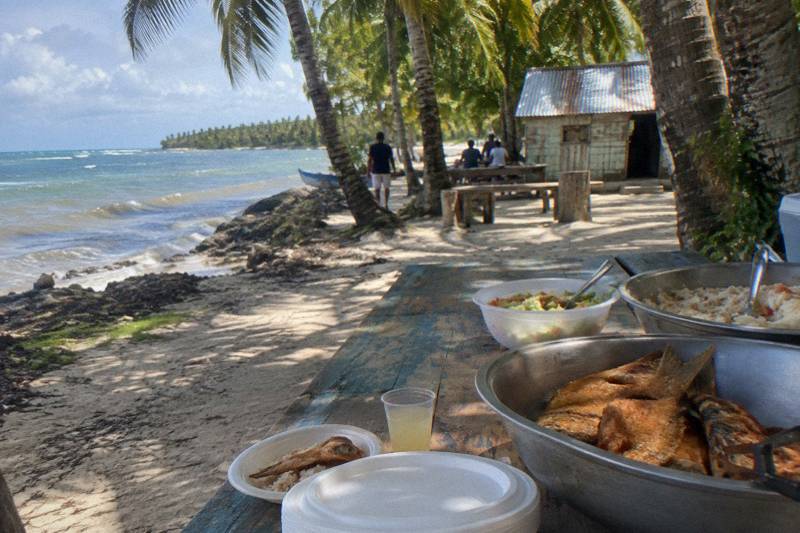
Saona Island And Pirates Of The Caribbean: The Filming Story
Ask about Saona Island and someone will mention pirates, Johnny Depp, or a chocolate-bar commercial. The truth is more interesting than the legend, and the island is worth the boat ride either way.
Short answer
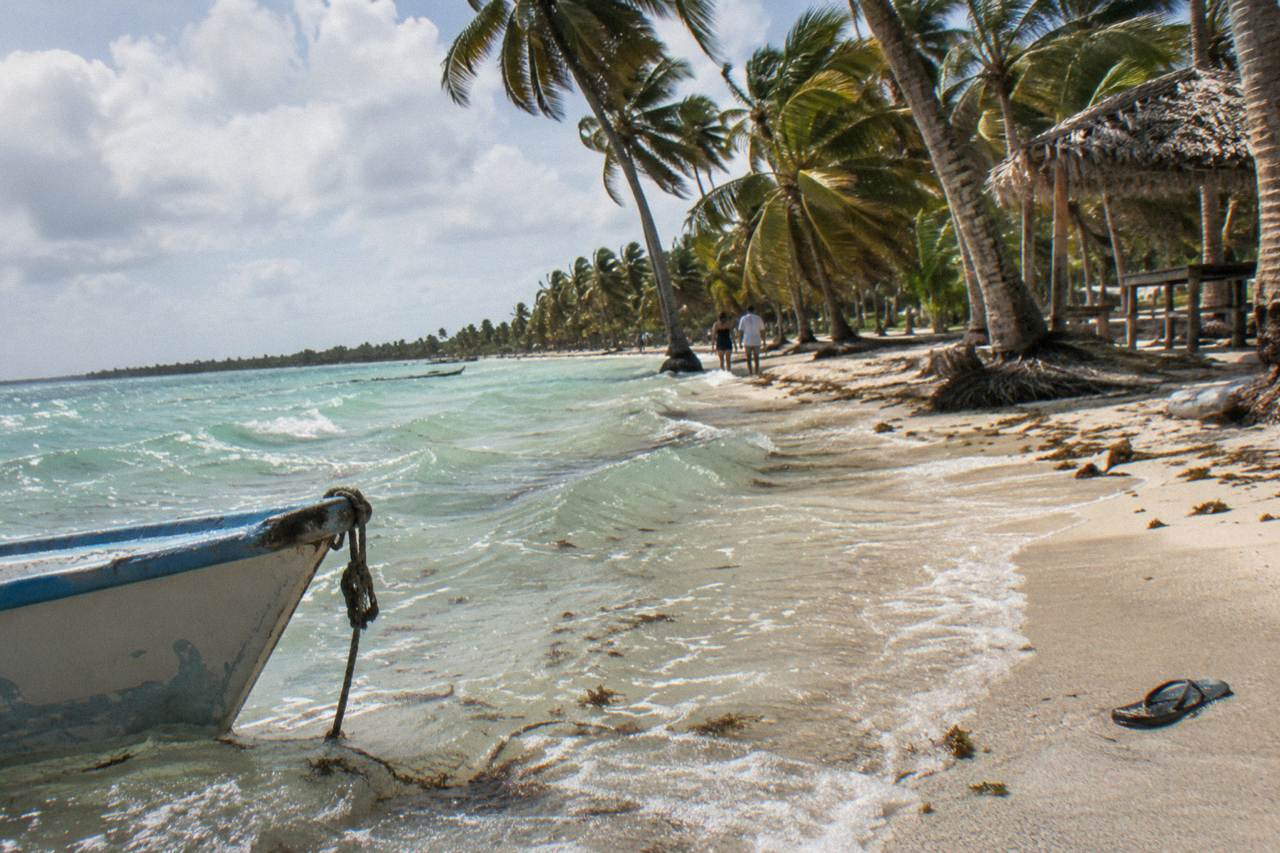
No credible reporting confirms that Pirates of the Caribbean was filmed on Saona Island. Tourism sites repeat the claim, but the production is placed elsewhere by credible sources. A Bounty chocolate commercial link rests on tourism sources and a thin Spanish Wikipedia line. Saona is a protected national park whose real draw is beaches, starfish and the natural pool.
Saona Island sits inside Parque Nacional Cotubanamá, a protected stretch of Caribbean coastline and reef on the Dominican Republic's southeast shore, and almost every description of it mentions the same piece of trivia: that Hollywood came here, that pirates walked these beaches, that a famous film franchise shot scenes on this sand. The claim has been repeated so often, by so many tour operators and travel blogs, that it has hardened into something people treat as settled fact. Before you repeat that story to anyone back home, here is what actually checks out.
It is not settled. The evidence behind the Pirates of the Caribbean association is thin, and what does exist points in a different direction. This guide lays out what is actually known about Saona's film connections, where the story came from, and what a visitor who arrives because of a movie will genuinely find: a national park with standout beaches, a shallow sandbar called the natural pool, a fishing village, and a set of rules designed to keep all of it intact.
Was Pirates Of The Caribbean Actually Filmed On Saona Island?
No credible reporting places the Pirates of the Caribbean productions on Saona Island. The association is repeated widely by tourism sites, but reporting that traces those films puts the shooting elsewhere, on other islands and other coasts. Saona's own tourism industry benefits from the story, which is exactly why a careful reader should ask where it started. Treat the claim as unverified, not as history.
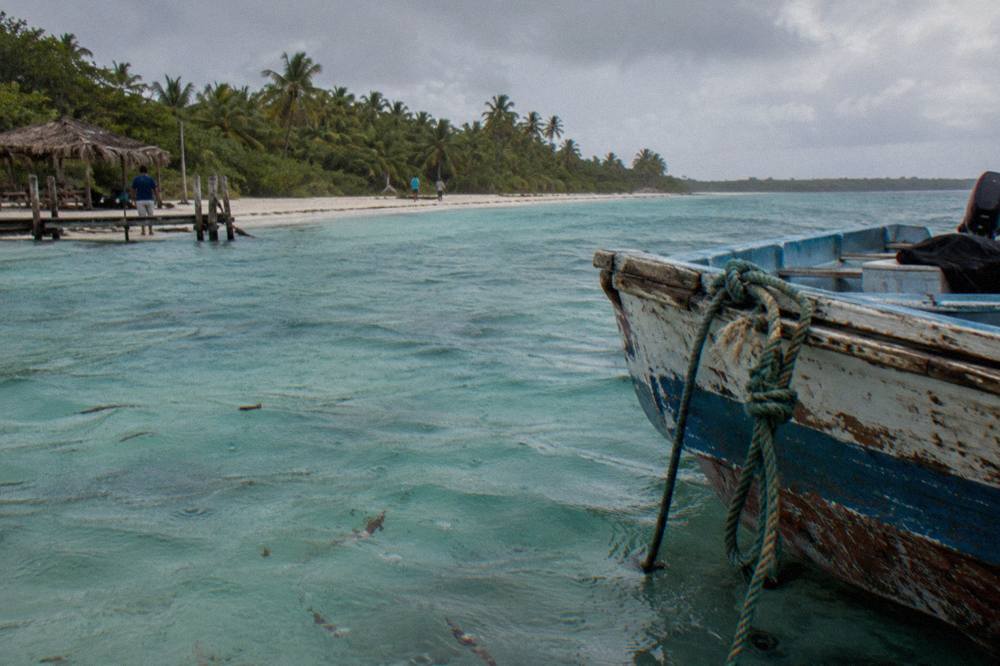
The pattern is familiar to anyone who has traced a popular travel legend. One site publishes a colorful claim, a dozen others copy the phrasing, and within a few years the claim outranks the correction. Saona's version runs roughly like this: the island is so pristine, so perfectly Caribbean, that Disney chose it for Pirates of the Caribbean. Some tellings name a specific film in the series. Some add the Bounty chocolate commercial as supporting evidence, as if one foreign production proves a pipeline of them.
The problem is the primary sources. The Pirates of the Caribbean franchise is one of the most documented film productions of the past two decades, with extensive coverage of its locations, and that coverage does not place the productions on Saona. The Dominican Republic did host major film work in that era, and the country has a real film industry with a real incentives program, which may be how the wires crossed. A Caribbean country that hosts film crews, plus an island that looks like a film set, plus the word "pirates" in the regional history, is a story that practically writes itself.
None of this makes Saona less interesting. It makes the island more interesting, because the real history of the place, Taíno settlement, a short-lived pirate era, a fishing community that still lives there, does not need a Hollywood credit to justify the boat trip. The filming claim is best treated the way you would treat any good dockside tale: enjoyable, plausible sounding, and worth checking before you repeat it.
| Claim | What supports it | How solid is it |
|---|---|---|
| Pirates of the Caribbean filmed on Saona | Repeated by tourism sites and blogs | Unverified; no confirmed filming record for these productions on Saona |
| Bounty chocolate commercial shot on Saona | Tourism sources and a Spanish Wikipedia line saying Saona was used for some ads | Weak; rests on secondary material |
| Dominican film commission promotes Saona as a location | The commission promotes the island without listing productions | True but vague; no named films |
| Saona is a protected national park | Ministry of Environment administered Parque Nacional Cotubanamá | Solid; official |
Where Does The Bounty Commercial Story Come From?
The secondary legend is that a Bounty chocolate bar commercial was filmed on Saona, the kind of tropical paradise advertisement the brand is known for. That claim rests on tourism sources and a single Spanish Wikipedia line saying the island was used for some advertisements. No production record, agency credit or dated shoot confirms it, so it should be described as reported rather than established.
The Bounty story matters because it is the load-bearing wall of the broader filming legend. When someone questions the Pirates of the Caribbean claim, the usual rebuttal is that at least the chocolate commercial is documented. Look closely and that documentation is a tourism-facing article and a Wikipedia sentence without a citation, which is roughly the same evidentiary weight as the claim it is supposed to support.
Advertising shoots are genuinely hard to verify years later. Commercials rarely leave the paper trail that feature films do: no call sheets archived by fans, no location-scouting coverage, no credits scroll. A brand can shoot on a beach for two days decades ago and leave nothing searchable behind. That cuts both ways, though. It means the Bounty claim cannot be disproven, and it also means nobody should sell you a boat trip on the strength of it.
What is verifiable is the Dominican Republic's broader role as a filming destination. The country has hosted international productions, offers incentives to film companies, and markets its Caribbean coastline to location scouts. The national film commission promotes Saona as a location, but it does so without listing specific productions, which is telling. An island that had hosted a Disney franchise would almost certainly appear in a commission portfolio with titles attached.
For a traveler, the honest framing is this: the island looks exactly like the kind of place where such things are filmed, which is why the stories stick. Every tour that markets Saona leans on the same imagery, turquoise shallows, leaning palms, a horizon with nothing built on it. The marketing works because the landscape delivers. You do not need the film credit to be true for the day trip to be worth taking.
What Will Film Fans Actually Recognize On Saona Island?
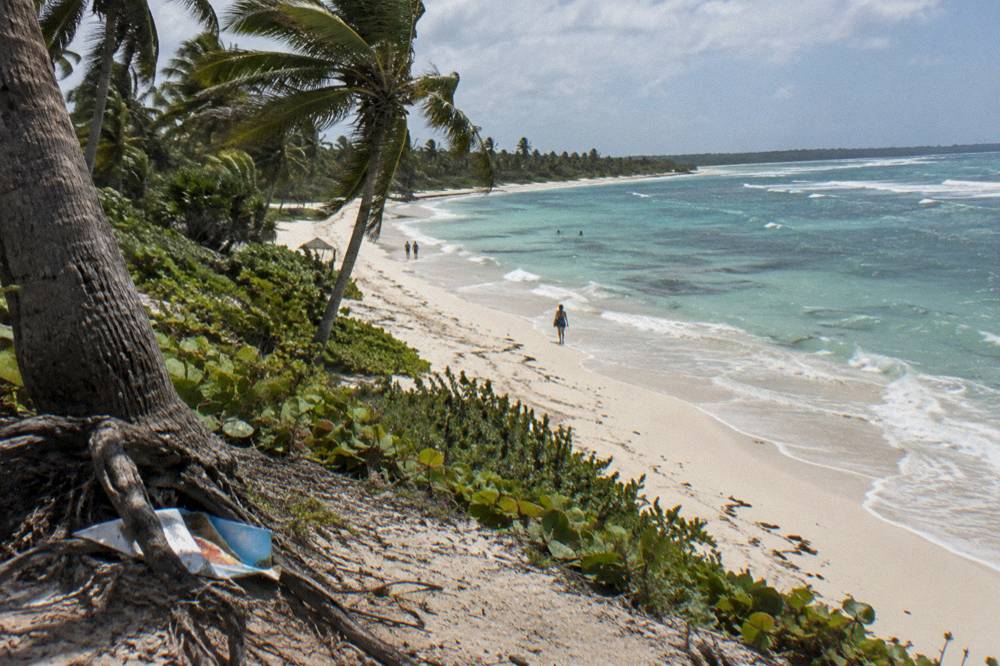
Visitors looking for movie scenery will find landscapes that match the postcard version of the Caribbean rather than any specific frame from a film. The recognizable sights are real ones: Canto de la Playa beach, the shallow Piscina Natural sandbar with its starfish, and Mano Juan, a working fishing village with a turtle conservation project. No tour on the island shows a film set, because no verified set exists.
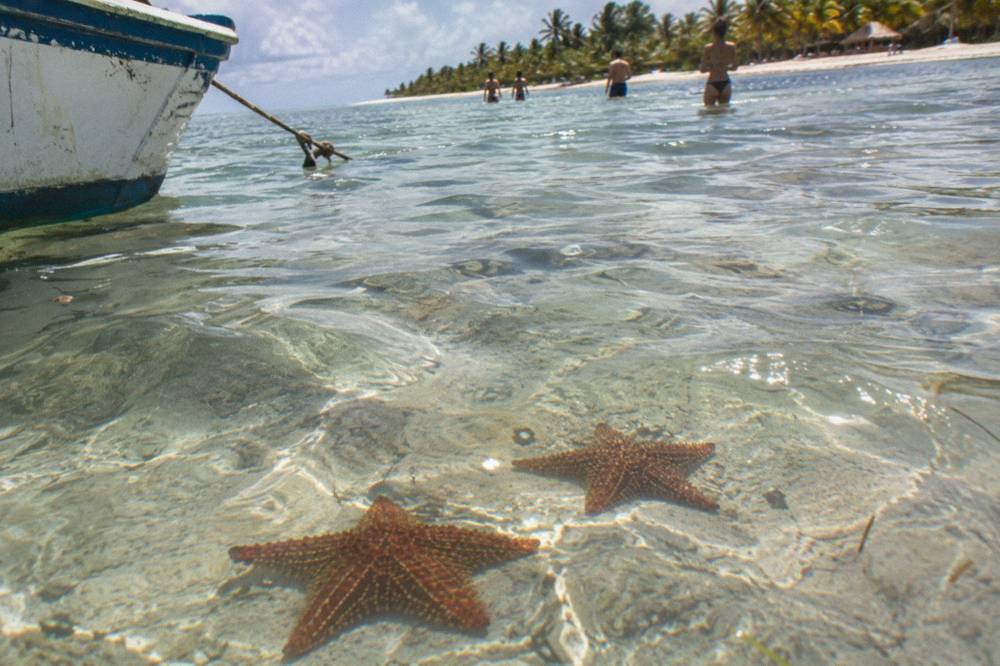
This is the part of the story that surprises people who arrived on the strength of the legend. Saona does not trade on built attractions. There is no film museum, no prop exhibition, no plaque on a beach. The island is part of a national park administered by the Ministry of Environment, and the experience is deliberately natural: sand, sea, palm shade and a buffet lunch. Operators describe itineraries built around a 30 to 45 minute stop at the natural pool, beach time, and lunch at one of the main beach areas.
The natural pool, also called Palmilla, is the sight that photographs like a film location. It is a sandbar where the water stays waist-deep far from shore, and where starfish sit on the seabed in plain view. Park rules are strict here, and they matter more than any movie trivia: do not touch or remove the starfish, shells, coral or sand. Single-use plastic and foam containers are banned in the park under a 2023 Ministry resolution, a rule that surprised some visitors but which tour operators now handle by supplying alternatives.
Mano Juan, the village on the island, is the closest thing to a story with a plot. A small year-round community lives there, fishing and hosting day visitors, and the village runs a small turtle sanctuary that several tours visit. If you want a narrative to take home from Saona, the conservation work at Mano Juan is real, documented and easy to support, which is more than the Pirates claim can say.
The island's genuine past does include pirates, in the ordinary historical sense. Saona Island lies off the southeast coast of the Dominican Republic, inside Cotubanamá National Park, and there is no ferry: every visitor arrives by boat from the Bayahibe and Dominicus pier area. That history is real but modest, and it left no standing sites, just a name that tourism marketing found convenient.
For practical planning, the full article on Saona Island day trip logistics covers timing and what a typical itinerary includes, and the natural pool and starfish guide goes deeper on the park's most photographed stop.
How Do You Get To Saona Island From Punta Cana Or Bayahibe?
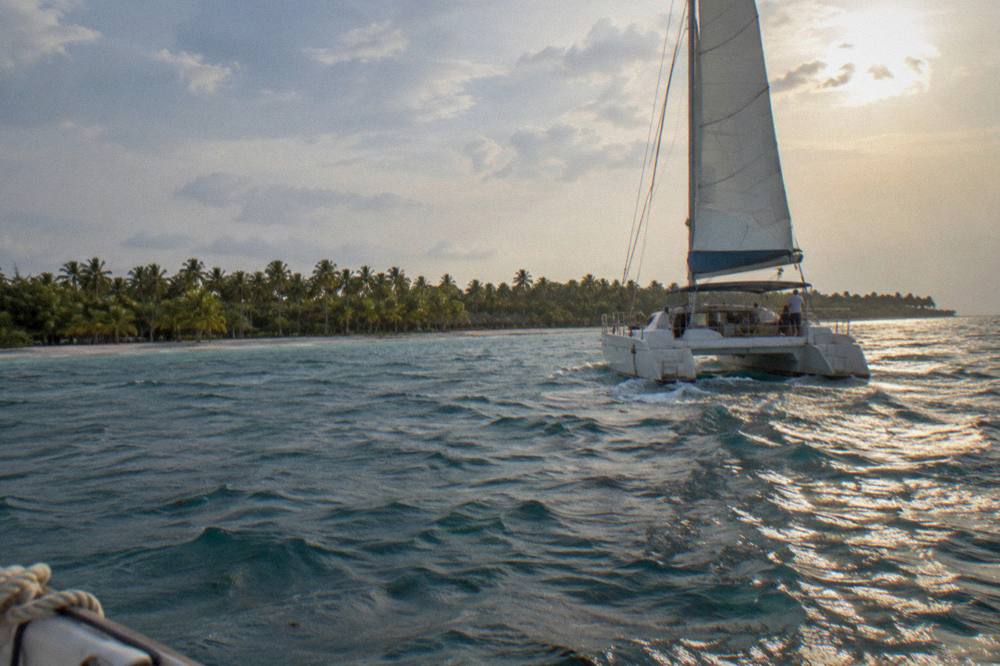
Every boat to Saona leaves from the Bayahibe and Dominicus pier area on the Caribbean coast; there are no departures from Punta Cana or Bavaro beaches. Travelers staying in Punta Cana take a road transfer of roughly an hour, then a boat crossing that usually runs 20 to 60 minutes by speedboat or 1 to 2 hours by catamaran, depending on sea conditions and operator.
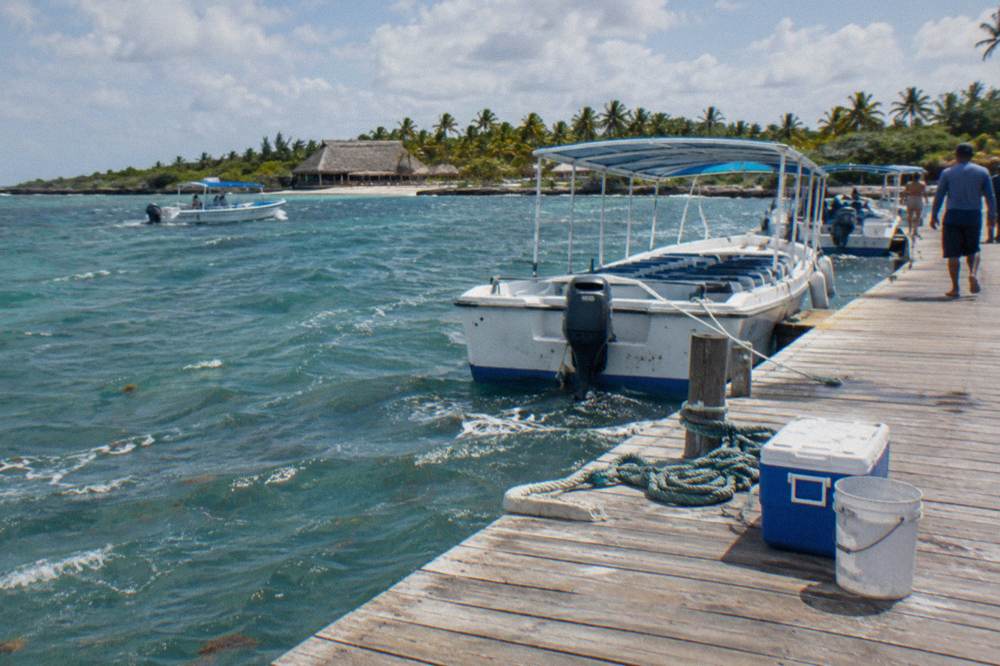
The geography explains the logistics. Saona sits off the south coast, inside the national park, and Bayahibe is the access point the park recognizes. A traveler in a Punta Cana resort therefore does two journeys in one day: a road leg to the pier, then the sea leg to the island. Most tours sold from Punta Cana bundle both, with hotel pickups usually starting between 6:30 and 8:00 in the morning, and full days running about 6 to 12 hours door to door depending on the listing.
Measured drive times to the Bayahibe pier make the road leg predictable. Under normal traffic the run from the Punta Cana airport area is about 58 minutes, from the Bavaro hotel zone about 59 minutes, and from La Romana about 24 minutes. Santo Domingo is the long haul at roughly 113 minutes, which is why departures from the capital are priced and packaged differently.
| Departure point | Drive to Bayahibe pier | Typical boat crossing to Saona |
|---|---|---|
| Punta Cana airport area | About 58 minutes | Speedboat 20 to 60 minutes, catamaran 1 to 2 hours |
| Bavaro hotel zone | About 59 minutes | Same ranges, operator dependent |
| La Romana | About 24 minutes | Same ranges |
| Dominicus | About 6 minutes | Same ranges |
| Santo Domingo | About 113 minutes | Same ranges |
Crossing times deserve a caveat that honest operators give freely: the sea decides. A calm dry-season morning can make the speedboat run feel brief, and a choppy afternoon doubles it. Mixed itineraries, speedboat out and catamaran back, are common because they split the difference, and because the catamaran leg comes with the open bar. The complete guide to reaching Saona breaks down every departure town in more detail.
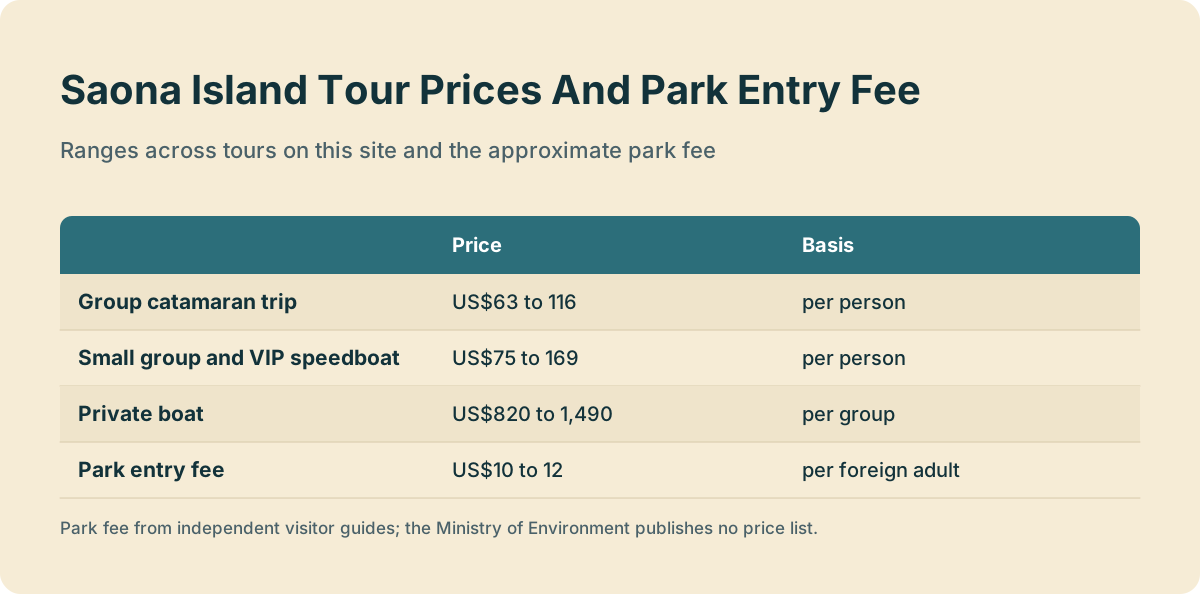
The park entry fee is the one cost that confuses people, and the confusion is not the traveler's fault. The Ministry of Environment publishes no price list; its service page describes payment by wristband at the site, with schools and institutions exempt. Independent visitor guides put the fee at roughly US$10 to 12 per foreign adult, so treat that as approximate and confirm with your operator, because many tours bundle the entry and you should not pay twice.
What Are The Park Rules Every Visitor Should Know Before Boarding?
Saona is a day-use national park run by the Dominican Ministry of Environment, and three rules shape every visit: nothing living or dead leaves the park, including starfish, shells, coral and sand; single-use plastic and foam are banned; and there are no overnight stays without a Ministry booking. The entry wristband system is official, though the Ministry publishes no price list.
The starfish rule is the one that trips people up, because the natural pool makes the encounter feel harmless. The animals sit in waist-deep water and the temptation to pick one up for a photo is real, but touching starfish damages them, and park rangers and tour guides enforce the rule at Palmilla. The same law covers shells and coral, which means the souvenir you were considering is not a souvenir. The Ministry's own visitor guidance, on its protected-area service page, describes the wristband entry system and the exemptions for schools and institutions (Ministerio de Medio Ambiente visitation service).
The plastic and foam ban has a concrete effect on your packing. Bring a refillable bottle rather than a case of single-use ones, and expect your tour to supply water in permitted containers. Reef-safe sunscreen is expected in the park, and while no specific brand is mandated, mineral-based options are the standard recommendation. The what to bring and wear guide covers the full packing list.
| Rule | What it means in practice | Where it applies |
|---|---|---|
| No removing marine life | Do not touch or take starfish, shells, coral or sand | Whole park, enforced at the natural pool |
| Plastic and foam ban | No single-use plastic bottles or polystyrene containers | Parque Nacional Cotubanamá and Catalina |
| Day use only | No camping or overnight stays without Ministry booking | Whole island |
| Wristband entry | Fee paid at the site unless your tour bundles it | Park check-in |
Weather planning folds into the rules conversation because the park does not run trips in dangerous seas. The dry season, December to April, brings the calmer conditions operators prefer, while the wet season from May to November shortens some afternoons with intense showers. Thirty-year rainfall averages put September as the wettest month at about 175 mm and February and March as the driest at about 40 mm (long-term Saona precipitation data). Operators may cancel or reroute for rough seas, and most listings refund when the operator cancels. The best time to visit guide works through the seasons in full.
Which Saona Tours Suit A Day Trip Built Around The Legend?
A standard all-inclusive catamaran or speedboat day trip covers everything a film fan actually comes for: the natural pool, beach time and lunch, with prices across the site's roster running from US$63 to 116 per person for group catamaran trips and US$75 to 169 for small group and VIP speedboat options. Private boats run US$820 to 1,490 per group. The filming story adds no itinerary stops, so pick on format, group size and inclusions.
The all-inclusive Saona trip from Punta Cana starts at $85 per person and runs 8 hours, and it fits the film-fan brief perfectly, because the brief is really just "show me the famous island." The listing describes hotel pickup, lunch, drinks and beach time, with park entry bundled; its current price and rating are on the listing. Read more and check the all-inclusive Saona day trip on its tour page, or Check availability.
A second option is the standard day trip from Punta Cana, a similar shape at a similar tier, sold through a different operator with its own pickup map and lunch setup. Its reviews and price sit on the live listing, and it is worth comparing directly against the all-inclusive version on inclusions rather than headline price, since the differences tend to be in drinks, group size and which beaches the itinerary favors.
The third format worth naming is the "unique experience" tour, which markets itself on the quieter, more distinctive side of the island rather than volume. Tours in this tier often lean on smaller groups and stops that bigger boats skip, and the listing describes exactly what that means for its own itinerary. As with the others, price and rating are on the listing rather than in any brochure.
| Tour format | Typical roster price | Who it suits |
|---|---|---|
| Group catamaran day trip | US$63 to 116 per person | First-time visitors wanting the full postcard day |
| Small group or VIP speedboat | US$75 to 169 per person | Travelers who value fewer people and faster crossings |
| Private boat charter | US$820 to 1,490 per group | Families and groups wanting their own schedule |
| Santo Domingo departure | US$87.90 to 130 per person | Capital-based travelers avoiding a self-drive |
The private charter tier deserves a sentence even in a film-story article, because it is the closest a visitor gets to a production-style day: your own boat, your own route within park rules, and a crew who can linger where the light is good. The private tour guide covers that tier in detail. Whatever the format, the same honest conclusion applies: no operator can show you where Jack Sparrow stood, because no one has shown that he stood anywhere on Saona at all. The beaches, the starfish and the turtle sanctuary are the real credits.
Common Questions About Saona Island And Pirates Of The Caribbean
Was Pirates Of The Caribbean Filmed On Saona Island?
No credible reporting supports it. Tourism sites repeat the claim, but reporting that traces the films' locations places the productions elsewhere, so treat the association as unverified legend rather than fact.
Was The Bounty Commercial Filmed On Saona Island?
That claim rests on tourism sources and an uncited Spanish Wikipedia line saying Saona was used for some advertisements. It is plausible but unconfirmed, and no production record backs it.
Does Saona Island Have Any Real Pirate History?
Yes, in the modest colonial-era sense common across the Caribbean: buccaneers and smugglers used the southeast coast of Hispaniola. The history left no standing sites or film sets.
What Will I Actually See If I Visit Because Of The Movie Story?
The island's real sights: Canto de la Playa beach, the shallow natural pool with starfish, a Dominican buffet lunch, and sometimes Mano Juan village with its turtle sanctuary. There is no film set or movie museum.
How Do I Get To Saona Island?
All boats leave from the Bayahibe and Dominicus pier area. From Punta Cana, expect about an hour by road plus a crossing that usually runs 20 to 60 minutes by speedboat or 1 to 2 hours by catamaran.
Is The Park Entry Fee Included In Tour Prices?
National park entry is explicitly included in 11 of the 40 tours, and the rest leave it unstated. The fee is roughly US$10 to 12 per foreign adult per independent guides, so confirm with your operator to avoid paying twice.